
24/7 Customer Support

Free returns

Same-day & Next-day Delivery

Quality Guaranteed

Unlock Your Welcome Offers: FREE Delivery | Up to 80% OFF | Free 30-day JoyPlus trial
Download the APP
As a Joybuy Product Recommendation Officer, I often see shoppers navigating the growing world of Asian green tea. It’s a category filled with refreshing choices, from ready-to-drink bottles to authentic powders. However, the expanding market also brings confusion. Many find themselves paying for a "healthy" drink that is surprisingly high in sugar, or an "authentic" tea that tastes artificial.
Before you decide to buy green tea online, it's useful to understand a few common pitfalls. This guide will help you look past the marketing and choose a product that genuinely suits your taste and lifestyle.
Many well-intentioned purchases end in disappointment. Here are the most frequent issues we see UK consumers encounter:
To make a confident choice, focus on these three practical parameters. They will tell you more about the product than any marketing slogan.
This is the most critical factor, especially for ready-to-drink bottled green tea. Always check the nutritional information per 100ml.
Understanding the basics of tea varieties helps you find a flavour profile you'll enjoy.
Consider how and when you plan to drink your tea.
Based on the criteria above, here are a few options from our catalogue, matched to different needs and preferences.

Why This Fits Their Persona: This is for the person who wants pure, convenient hydration without compromise. It's perfect for keeping in the office fridge or taking to the gym as a refreshing alternative to water.
It directly solves the "hidden sugar" problem. With 0 sugar, 0 calories and 0 fat, what you see is what you get: authentic Chinese green tea and water.
Its key advantage is its purity. The flavour is crisp and clean, showcasing the character of pan-fired green tea without any distractions.
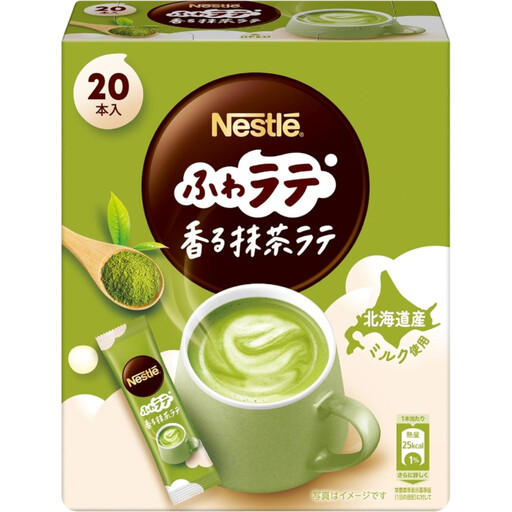
Why This Fits Their Persona: For those who love the taste of a café-style matcha latte but want a quick, foolproof way to make it at home. It's perfect for a morning boost or a comforting afternoon treat.
It avoids the "flavour vs. infusion" trap by being transparent. It's an instant latte mix using real Uji matcha, designed for convenience and a specific creamy, sweet taste.
The single-serve sticks offer ultimate convenience and consistency. You get a frothy, balanced latte in seconds by just adding hot water.
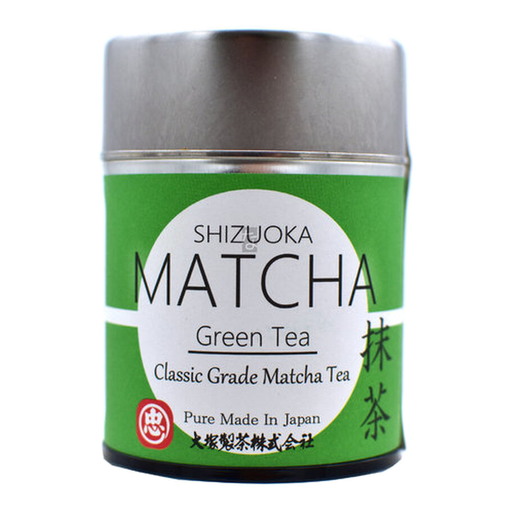
Why This Fits Their Persona: This is for the enthusiast who wants to experience authentic Japanese green tea. They appreciate the ritual of preparation and the nuanced, umami-rich flavour of high-quality matcha.
It sidesteps the "vague authenticity" trap. This is 100% pure matcha powder from Shizuoka, a renowned tea-growing region in Japan. There are no additives, flavourings or sugar.
Its quality and versatility are its strengths. The fine, stone-ground powder is suitable for traditional whisking (usucha) and gives you full control over the final taste of your tea or latte.
We have compiled a complete, real-time list of products that fully satisfy these strict selection criteria and UK safety regulations.
It entirely depends on the product. An unsweetened green tea with zero sugar and calories is an excellent choice for hydration. However, many sweetened versions contain significant amounts of sugar. Always check the nutritional label to make an informed decision that aligns with your dietary preferences.
The primary difference lies in the processing. Chinese green tea is typically pan-fired, which stops oxidation and imparts a milder, sometimes toasty flavour. Japanese green tea is usually steamed, preserving a brighter green colour and a more vegetal, grassy and sometimes savoury (umami) taste.
Green tea generally contains less caffeine than black tea and significantly less than coffee. An average cup of green tea has around 20-45mg of caffeine, compared to about 95mg in a similar-sized cup of coffee. However, the exact amount can vary based on the type of tea, how it was processed and how long it is brewed.