Joybuy Insights

Your Guide to Buying Authentic Asian Instant Noodles in the UK

Navigating the world of Asian instant noodles online can feel overwhelming. With countless brands from Korea, Japan and China, it's easy to end up with a pantry full of products that don't quite hit the mark. As the Joybuy Product Recommendation Officer, my role is to help you sidestep common purchasing mistakes and find the flavours that truly satisfy your craving for authentic, convenient meals.

Many shoppers in the UK find themselves disappointed after a purchase. Let's look at the most frequent pitfalls and how to avoid them.

  • The "Authentic Flavour" Fa?ade: Many products available in mainstream UK supermarkets are labelled as "Asian-style" but have been significantly altered. Their broths can be one-dimensional and overly salty, lacking the complex, savoury depth of an authentic ramen broth. This often leads to a bland and unsatisfying experience.
  • The Spice Lottery: A packet labelled spicy ramen noodles can be a gamble. One brand's "spicy" might be a gentle warmth, while another's could be an eye-watering challenge. Without a clear indicator, you risk buying something either too mild for your taste or too fiery to enjoy.
  • The Single-Pack Premium: Buying noodles in single packets seems like a low-cost way to try new things, but the per-serving price is often much higher. This is a false economy, especially if you find a flavour you love and want to stock up. Opting for an instant noodle multipack or choosing to bulk buy noodles offers far better value.

Key Factors to Check Before You Buy

To ensure you get the taste and quality you're looking for, focus on these three core elements. They are the difference between a mediocre snack and a genuinely delicious quick noodle meal.

1. Broth Base: The Soul of the Noodle Bowl

The flavour sachet is the heart of any instant noodle. Understanding the different types will help you predict the final taste.

  • Powder Sachets: These are the most common. They are convenient but can sometimes taste artificial. Look for powders that list specific ingredients like shiitake, kombu (kelp) or bone extracts for a more developed flavour.
  • Liquid Concentrates & Pastes: Often found in premium Japanese ramen online or Korean instant noodles, these packs contain concentrated broths or pastes (like miso or gochujang). They typically deliver a richer, more nuanced flavour that is closer to a slow-simmered soup.
  • Flavoured Oils: A small sachet of aromatic oil (like sesame, chilli or scallion oil) is a sign of quality. This is added at the end to provide a fragrant finish and a more complex mouthfeel.

2. Noodle Type and Texture

Not all noodles are created equal. The noodle itself is just as important as the broth.

  • Fried vs. Air-Dried: Most standard instant noodles are flash-fried, which cooks them quickly and gives them a long shelf life. Air-dried noodles, often found in higher-end products, have a lower fat content and a firmer, chewier texture that more closely resembles fresh restaurant noodles.
  • Noodle Style: The shape and thickness impact how the noodle holds the broth. You can find everything from the classic wavy ramen and thick, chewy udon-style noodles to the broad, flat biang biang noodles popular in Chinese noodles UK selections. Consider what kind of texture you prefer.
  • Fresh & Frozen Noodles: For the most authentic texture, consider fresh or frozen noodles. These require boiling but offer a superior, springy bite that is hard to replicate with dried alternatives.

3. Flavour Profile and Dietary Needs

Look beyond the main flavour name on the front of the packet.

  • Country of Origin: This is a strong clue to the flavour profile. Korean instant noodles from brands like Nongshim noodles are famous for their bold, spicy and often funky flavours (like kimchi). Japanese ramen from brands like Nissin ramen often focuses on savoury, umami-rich broths like tonkotsu (pork), miso or shoyu (soy sauce).
  • Specific Ingredients: Check the ingredient list for key flavour components. If you're looking for a rich pork broth, look for "pork bone extract." If you love the numbing spice of Sichuan cuisine, look for "Sichuan pepper."
  • Halal Certification: For those with specific dietary requirements, a growing number of brands offer halal instant noodles. Always check the packaging or product description for the official Halal certification logo.

Our Top Product Recommendations

Instead of a generic list, we've matched some popular options to different types of noodle lovers.
MATCH FOR: The Spice Seeker
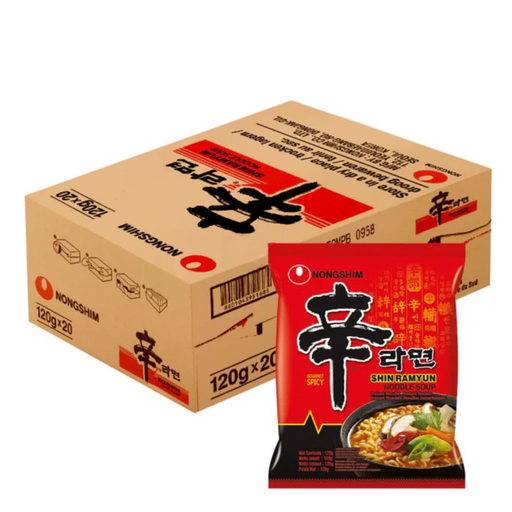
Nongshim Korean Shin Ramen Instant Noodles 120 g*20 Bags per Box

Nongshim Korean Shin Ramen Instant Noodles 120 g*20 Bags per Box

Why This Fits Their Persona: This is for the person who wants a reliable and satisfying kick of heat. Shin Ramyun is a global benchmark for spicy Korean instant noodles, delivering a deep, savoury and consistently spicy broth that never disappoints.

How It Avoids the Trap

It completely avoids the "spice lottery." The heat level of Shin Ramyun is well-known and consistent, so you know exactly what you're getting every time.

Key Advantage & Pros

Features a rich, beef-and-mushroom broth that balances the spice. The noodles are thick and chewy, holding up well in the hot soup. This bulk box is also Halal certified.

MATCH FOR: The Authentic Flavour Purist
Bai Xiang Instant Noodles (Artificial Pork Bone Soup Flavour) - 5 x 113g (565g)

Bai Xiang Instant Noodles (Artificial Pork Bone Soup Flavour)

Why This Fits Their Persona: This is for someone who prioritises a deep, rich broth over everything else. They are seeking a comforting, restaurant-style experience at home and appreciate the savoury notes of a classic Chinese pork bone soup.

How It Avoids the Trap

It sidesteps the "authentic flavour" fa?ade by focusing on a specific, well-loved broth type. The creamy, savoury soup base is designed to mimic a slow-cooked broth, not a generic "pork flavour."

Key Advantage & Pros

The standout feature is its rich and creamy soup base. It's a comforting and deeply savoury meal that feels more substantial than many other instant options.
MATCH FOR: The Bulk-Buying Student or Family
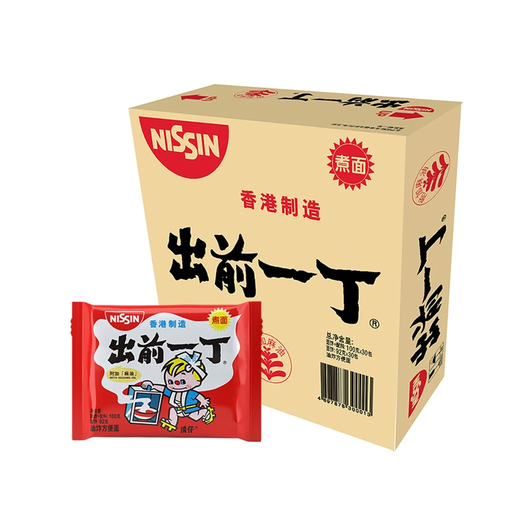
NISSIN Demae Iccho Sesame Oil Flavor Instant Noodles, 100g x 30 packs

NISSIN Demae Iccho Sesame Oil Flavor Instant Noodles, 100g x 30 packs

Why This Fits Their Persona: This is for the savvy shopper who needs to keep their pantry stocked with a reliable, crowd-pleasing option. The classic sesame oil flavour is versatile and loved by all ages, making it a perfect base for quick meals.

How It Avoids the Trap

This 30-pack directly counters the "single-pack premium" trap. Buying in bulk provides excellent value and ensures you always have a quick meal on hand.

Key Advantage & Pros

Incredible value for money. The iconic Nissin sesame oil flavour is a comforting classic, and the noodles serve as a great canvas for adding your own ingredients like eggs, vegetables or meat.

Looking for More Options?

We have compiled a complete, real-time list of products that fully satisfy these strict selection criteria and UK safety regulations.

Frequently Asked Questions

1. How can I make my instant noodles taste better? Upgrading your instant noodles is easy. Start by adding a soft-boiled egg for creaminess and protein. Fresh garnishes like chopped spring onions, coriander or a sprinkle of sesame seeds add texture and aroma. For extra substance, toss in some leftover cooked chicken, wilted spinach or mushrooms. A dash of soy sauce, chilli oil or rice vinegar can also brighten up the broth.

2. Are instant noodles an unhealthy choice? Like many convenience foods, instant noodles are best enjoyed in moderation. Most are high in sodium and made from fried noodles. To make them a more balanced meal, look for air-dried noodle varieties, which are lower in fat. You can also use only half of the seasoning packet to reduce your sodium intake and supplement the meal with fresh vegetables and a lean protein source.

3. What is the difference between ramen, ramyun, and luosifen? These terms refer to different types of noodle dishes from across Asia.

  • Ramen is the Japanese version, typically featuring wheat noodles in a meat or fish-based broth (like tonkotsu or shoyu) and topped with ingredients like sliced pork and nori.
  • Ramyun is the Korean equivalent. It is known for being much spicier and bolder, often with flavours like kimchi. The noodles are usually thicker and chewier.
  • Luosifen is a famous dish from Liuzhou, China. It's a rice noodle soup with a distinctive pungent aroma from pickled bamboo shoots and a complex, spicy and sour broth made with river snails.