
24/7 Customer Support

Free returns

Same-day & Next-day Delivery

Quality Guaranteed

Unlock Your Welcome Offers: FREE Delivery | Up to 80% OFF | Free 30-day JoyPlus trial
Download the APP
Navigating the world of Asian noodles can be a challenge. The sheer variety is vast, and packaging isn't always clear about what a noodle is for. Many UK home cooks, whether recreating a family recipe or exploring new cuisines, find themselves disappointed when their dish doesn't turn out right. Often, the problem isn't the recipe—it's the noodles.
As the Joybuy Product Recommendation Officer, my role is to help you sidestep common shopping pitfalls. Here are a few frequent issues that can lead to a less-than-perfect meal and how to avoid them.
To ensure you get the right texture and flavour for your cooking, focus on these core parameters before you buy noodles online UK.
The base ingredient determines the noodle's fundamental character—its texture, flavour and how it behaves when cooked.
The form of the noodle is not just for aesthetics; it dictates its purpose.
Based on these practical criteria, here are a few recommendations matched to different cooking needs and preferences.
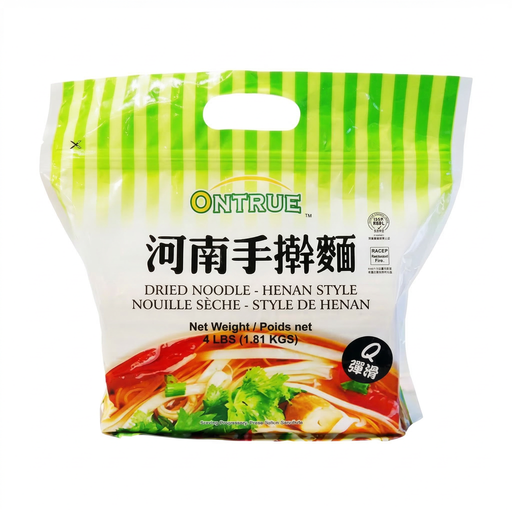
Why This Fits Their Persona: For households that get through a lot of noodles, this 1.81kg pack of bulk noodles offers great value. The noodles are described as substantial and firm, making them a versatile workhorse for everything from simple noodle soups to more complex braised dishes and lo mein.
It avoids the "one-size-fits-all" trap by being a robust, medium-width noodle that holds its texture well. The slightly rough surface helps it absorb sauces, preventing the flavour from just sliding off.
1. Excellent Sauce Adhesion: The surface texture is designed to grip sauces and broths. 2. Versatile Use: Substantial enough for both soups and stir-fries.
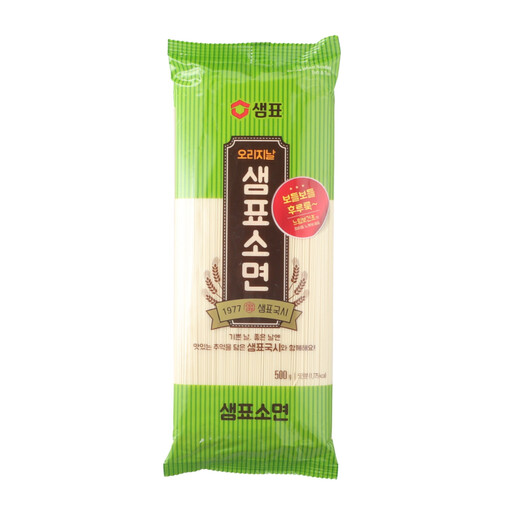
Why This Fits Their Persona: This is specifically "So Myun" (Korean somen), the very fine wheat noodle essential for classic Korean dishes like Janchi-guksu (banquet noodles in broth) and Bibim-guksu (spicy mixed noodles). Its authenticity is in its specificity.
It directly counters the "Authentic Label Trap" by being a named, specific type of noodle for a particular cuisine. You know exactly what you are getting and what dishes it is intended for, ensuring an authentic result.
1. Quick Cooking: Ready in 3-4 minutes, perfect for fast meals. 2. Delicate Texture: Its soft, smooth texture is ideal for light broths and cold salads, as it won't overwhelm other ingredients.
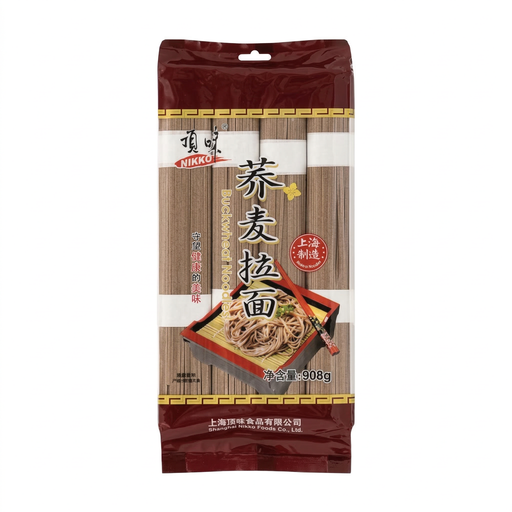
Why This Fits Their Persona: This noodle contains 25% buckwheat soba flour, which is a good source of dietary fibre and adds a pleasant, nutty flavour. It's a straightforward way to add a bit more nutritional variety to meals compared to standard wheat noodles.
Unlike some "healthy" noodles that compromise on texture, these are made with traditional ramen techniques. This ensures they remain chewy and smooth, avoiding the gummy texture problem while still providing the benefits of buckwheat.
1. Added Fibre: The buckwheat content increases the dietary fibre. 2. Distinct Flavour: Offers a pleasant, earthy taste that pairs well with both hot and cold dishes.
We have compiled a complete, real-time list of products that fully satisfy these strict selection criteria and UK safety regulations.
The key is to use a large pot with plenty of boiling water. This gives the noodles room to move and helps wash away excess surface starch. Stir them gently for the first minute of cooking to separate the strands. For cold noodle dishes, rinsing the cooked noodles under cold water immediately after draining stops the cooking process and removes any remaining starch that could cause stickiness.
While both can be thin and are gluten-free, their properties are quite different. Rice vermicelli is made from rice flour and cooks to an opaque white colour with a soft, delicate texture. It's common in Vietnamese and Thai cuisine. Sweet potato vermicelli (glass noodles) is made from sweet potato starch. It becomes transparent, very slippery and has a uniquely chewy and elastic texture, making it a favourite in Korean Japchae and Chinese hot pots.
Yes, many online retailers now offer bulk noodles in larger, more economical sizes. This is particularly useful for staple varieties like Chinese wheat noodles, udon or soba. Buying in larger packs, such as 1kg or 1.8kg, is often more cost-effective for families or anyone who cooks with noodles regularly. Always check the storage instructions to ensure they stay fresh.