
24/7 Customer Support

Free returns

Same-day & Next-day Delivery

Quality Guaranteed

Unlock Your Welcome Offers: FREE Delivery | Up to 80% OFF | Free 30-day JoyPlus trial
Download the APP
From a comforting bowl of noodle soup on a rainy evening to a quick and flavourful stir-fry after a long day, Asian noodles have become a staple in many UK kitchens. Yet, the sheer variety can be overwhelming. Navigating labels that promise "authenticity" or picking the right noodle for your intended dish can feel like a culinary minefield. Many of us have ended up with a mushy stir-fry or a bland soup, simply because we chose the wrong type of noodle.
As the Joybuy Product Recommendation Officer, my role is to help you sidestep these common shopping pitfalls. This guide will break down the essential factors to consider, ensuring your next noodle-based meal is a success, without the marketing fluff.
Before you add a packet to your basket, be aware of a few frequent issues that can lead to disappointment:
To make an informed choice, focus on these three non-negotiable parameters.
The flour used is the single most important factor, defining the noodle's texture, taste and ideal use.
The form of the noodle dictates how it interacts with sauces and broths.
To help you choose, here are a few options from our catalogue, matched to different culinary needs and preferences.
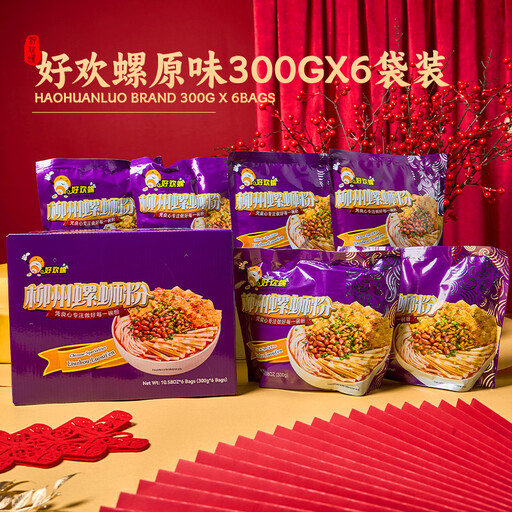
Why This Fits Their Persona: For the foodie who craves bold, complex and authentic flavours, Luosifen is an iconic dish. This kit delivers the signature pungent, spicy and tangy profile of Liuzhou river snail soup, offering a genuine taste experience that goes far beyond standard instant noodles UK offerings.
This avoids the "authentic fa?ade" trap by providing a complete kit with all the traditional toppings, including sour bamboo shoots, peanuts and fried bean curd skins, ensuring a true-to-origin flavour.
An all-in-one meal kit with a rich, multi-layered broth and generous, authentic toppings. The rice noodles are crafted for a chewy texture that holds up in the soup.
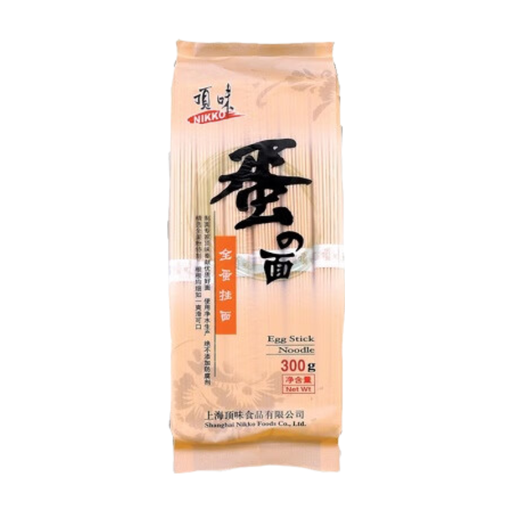
Why This Fits Their Persona: For weeknight meals, versatility is key. These classic egg noodles are a reliable pantry staple that works equally well in a quick chicken noodle soup or a vegetable stir-fry. They are straightforward, cook quickly and deliver a satisfying texture.
By being a versatile, all-purpose noodle, it helps you avoid the "wrong noodle for the job" pitfall. Its robust wheat and egg composition holds up to both boiling and stir-frying, making it a safe and dependable choice.
A highly versatile and economical choice. The simple ingredient list (wheat flour, egg powder, salt) makes it a straightforward base for countless recipes.
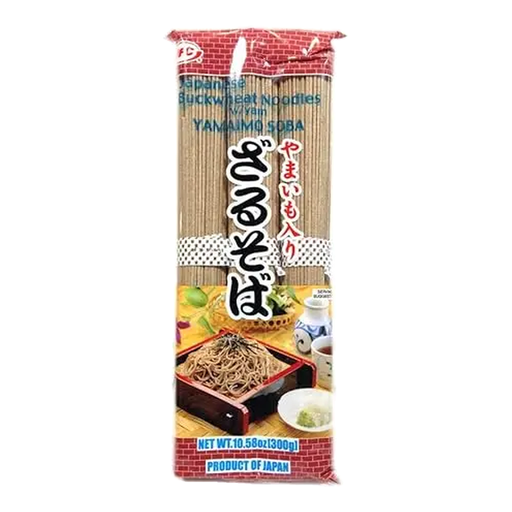
Why This Fits Their Persona: Perfect for those looking to recreate authentic Japanese noodles at home. These buckwheat noodles (soba) are specifically for Zarusoba (chilled noodles), offering a refreshing meal. The inclusion of Yamaimo (mountain yam) provides a uniquely smooth texture prized in Japan.
This product is highly specific, guiding the user towards its intended purpose (chilled soba). This clarity helps you select the right noodle for the right dish, ensuring a successful and authentic culinary result.
Made with buckwheat for a nutty flavour and yamaimo for a distinctively smooth texture. Ideal for creating a light and refreshing Japanese meal.
We have compiled a complete, real-time list of products that fully satisfy these strict selection criteria and UK safety regulations.
The primary difference is the main ingredient. Egg noodles are wheat-based and contain egg, which gives them a firm, chewy texture and a yellowish colour. They are robust and hold up well in stir-fries and hearty soups. Rice noodles are made from rice flour and water. They are typically white, have a more delicate, softer texture and are often gluten-free. They excel at absorbing the flavours of broths and are common in soups and salads.
While many noodles can be stir-fried, some are better suited than others. The ideal stir fry noodles are generally wheat-based, like egg noodles or other medium-thickness Chinese noodles, because their sturdy structure can withstand the high heat and constant tossing without breaking apart. While you can stir-fry certain types of flat, wide rice noodles, very thin rice vermicelli is not recommended as it can become mushy and clump together.
Once opened, dried noodles should be stored in an airtight container in a cool, dry place, such as a pantry or cupboard. This protects them from moisture, which can cause them to spoil or stick together and from pests. Properly stored, most dried noodles will maintain their quality for many months. Always check the packaging for a "best before" date.