
24/7 Customer Support

Free returns

Same-day & Next-day Delivery

Quality Guaranteed

Unlock Your Welcome Offers: FREE Delivery | Up to 80% OFF | Free 30-day JoyPlus trial
Download the APP
From a comforting bowl of noodle soup on a rainy day to a quick and satisfying stir-fry, Asian noodles are a wonderfully versatile staple for any UK kitchen. Yet, when you try to buy noodles online, the sheer variety can be overwhelming. More importantly, it is easy to fall for common purchasing pitfalls that lead to disappointing meals and wasted money. Many products labelled "authentic" turn out to be a poor imitation, while others promise a perfect texture only to become a mushy mess in minutes.
As a Joybuy Product Recommendation Officer, my role is to help you navigate the market. Let's cut through the clutter and focus on what truly matters, ensuring the noodles you choose deliver the texture and taste your home-cooked dishes deserve.
Before adding anything to your basket, be aware of these frequent issues that can trip up even experienced home cooks:
To make a confident choice, focus on these three core parameters. They will help you match the right noodle to your recipe and expectations.
The primary ingredient determines the noodle's fundamental character—its texture, flavour and how it behaves in a dish.
Your choice here depends on balancing convenience with pantry space and desired texture.
Finally, consider the noodle's role in your meal.
Here are a few selections matched to different home-cooking needs, all of which can be found when you buy noodles online UK.
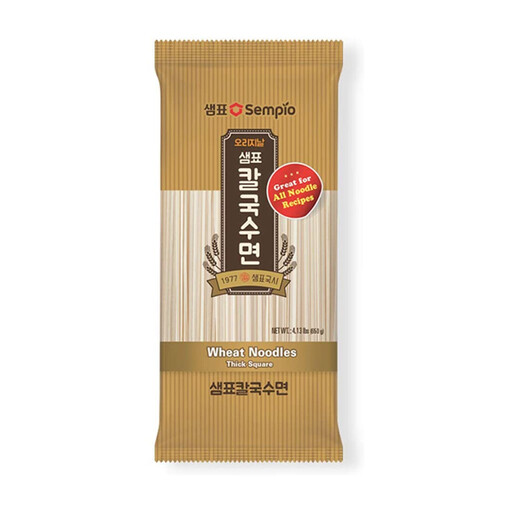
Why This Fits Their Persona: For the cook who prioritises a satisfying, chewy bite, these noodles provide a fantastic foundation for hearty dishes. Their thickness makes them a versatile choice for recreating restaurant-style ramen or a substantial chow mein at home.
This directly counters the "soggy noodle" pitfall. Made from simple ingredients (wheat flour, water and salt), their structure is designed to stay firm and springy, holding up well in both soups and stir-fries.
Excellent chewy, al dente texture. The generous 650g pack size is great value for family meals or stocking the pantry.
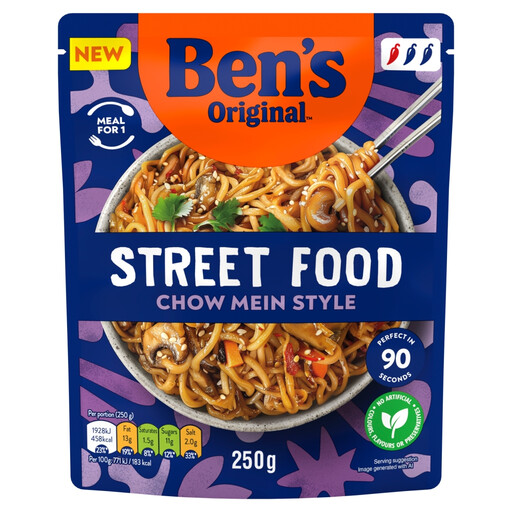
Why This Fits Their Persona: When time is short, a ready-to-heat meal is the perfect solution. This provides a complete, flavourful dish for one that is ready in 90 seconds, making it ideal for a quick lunch at the office or a no-fuss dinner.
It sidesteps the "hidden nasties" trap by being free from artificial colours, flavours or preservatives. The single-serving format also makes it easy to be mindful of your intake of salt and sugar.
Ultimate convenience (ready in 90 seconds). It is also vegetarian-friendly and includes vegetables like mushrooms and carrots.
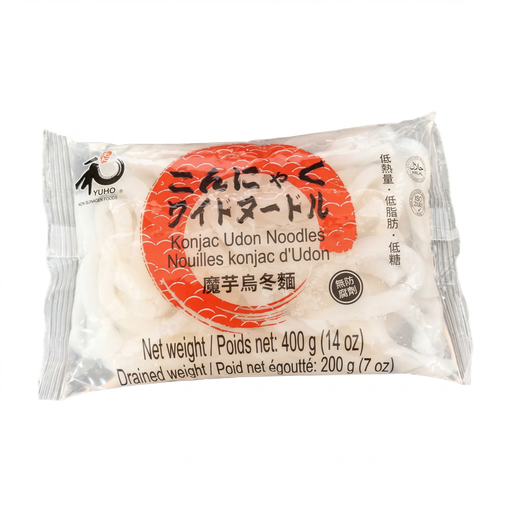
Why This Fits Their Persona: For anyone monitoring their calorie or carbohydrate intake, these konjac noodles are an excellent alternative. They provide the satisfaction of a noodle dish without the heavy carb load, making them suitable for a variety of healthy eating plans.
These noodles are the antidote to the "hidden nasties" trap. Made simply from water, konjac flour and a firming agent, they contain virtually no calories, sugar or fat, giving you complete control over your meal's nutrition.
Extremely low in calories (only 6 kcal per 100g) and rich in dietary fibre. Their neutral taste makes them a perfect carrier for bold sauces and broths.
We have compiled a complete, real-time list of products that fully satisfy these strict selection criteria and UK safety regulations.
While there is a huge amount of crossover, some general distinctions can be made. Japanese noodles often have very defined categories, such as thick, chewy udon noodles; thin, buckwheat soba; and the alkaline ramen noodle, specifically for soup. Chinese noodles have an even broader diversity, varying dramatically by region in width, shape and ingredients (wheat, rice, mung bean), and can be used in an endless variety of soups, stir-fries and braised dishes.
This is a common frustration. The key is to not overcook the noodles in the first stage. Cook them until they are just al dente (firm to the bite). Immediately drain them and rinse thoroughly under cold running water. This washes off excess surface starch, which is the main cause of stickiness. Tossing them with a small amount of oil (like sesame or a neutral vegetable oil) after rinsing will also help keep the strands separated until you add them to the wok.
They are an excellent substitute, provided you know what to expect. They do not replicate the exact taste and texture of wheat or rice noodles. Instead, they have their own unique, slightly gelatinous and springy texture. Their main advantage is being exceptionally low in calories and carbohydrates, making them a popular choice for weight management or low-carb diets. They are fantastic at absorbing flavour, so they work best in dishes with rich, flavourful sauces or broths.