
24/7 Customer Support

Free returns

Same-day & Next-day Delivery

Quality Guaranteed

Unlock Your Welcome Offers: FREE Delivery | Up to 80% OFF | Free 30-day JoyPlus trial
Download the APP
Navigating the world of Asian noodles can be a challenge. You might be planning a comforting bowl of ramen, a quick weeknight stir-fry or an authentic Chinese noodle soup, but the sheer variety on offer can be overwhelming. More often than not, UK home cooks find themselves facing a few common pitfalls that lead to disappointing meals and wasted money.
As the Joybuy Product Recommendation Officer, my role is to help you see past the confusing labels and marketing claims. Let's look at the frequent traps to avoid when you buy noodles online in the UK, ensuring you get the right product for your dish every time.
To make a confident choice, focus on a few key characteristics instead of just the packaging. These factors determine the noodle's texture, cooking performance and suitability for your recipe.
The foundation of any great noodle dish is its texture, which is determined by the ingredients and shape.
How the noodles are sold—dried, fresh, or instant—directly impacts convenience and final texture.
To help you choose, we've matched a few standout options to different home-cooking scenarios.
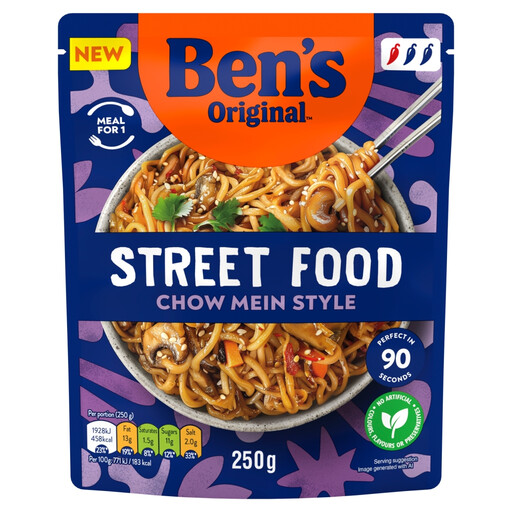
Why This Fits Their Persona: For those with a demanding schedule, this is a complete meal solution. It's perfect for a quick office lunch or a no-fuss dinner after a long day, delivering a flavourful meal without any prep work.
It sidesteps the "dish mismatch" trap by being an all-in-one product. It's not a base ingredient pretending to be something else; it's an instant meal, and its purpose is clear.
Ready in just 90 seconds in the microwave. It's a vegetarian-friendly option packed with vegetables and seasoned with soy, garlic and spices.
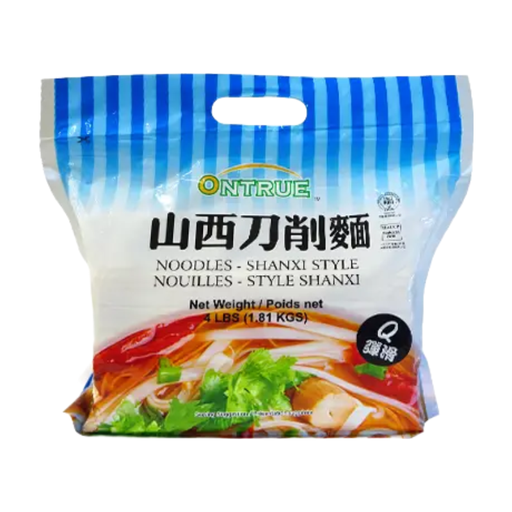
Why This Fits Their Persona: For the cook dedicated to recreating traditional flavours, these noodles provide the specific texture that is the hallmark of Shanxi cuisine. The large family pack is ideal for those who cook Asian food regularly.
This product avoids the "authentic" label trap by delivering a genuinely specific noodle type. It's not just a generic "Chinese noodle"; it's a Shanxi knife-cut noodle with a distinct shape and bite.
The wide, thick shape provides a satisfyingly firm and chewy texture. Its unique edges are designed to absorb more sauce, enhancing the flavour of any dish.
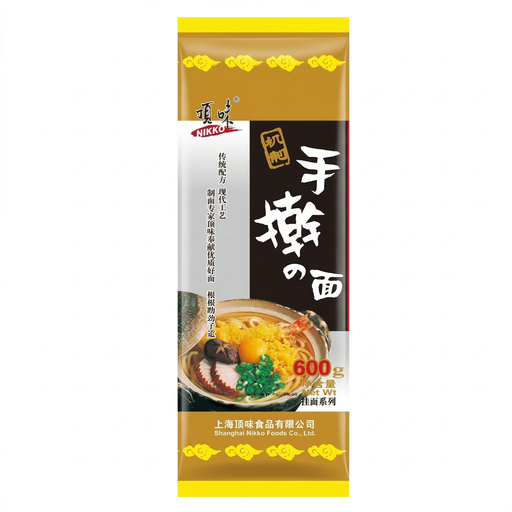
Why This Fits Their Persona: This is a versatile pantry staple for families. The wide, thick noodles are satisfying and can be used across a range of popular Chinese dishes, from soups to stir-fries, making meal planning simple.
It avoids the "dish mismatch" trap by being a reliable all-rounder. The product information clearly states its suitability for soup, tossed and stir-fried noodles, giving the home cook confidence.
These are fresh wet noodles that cook in just 3-5 minutes without needing to be thawed. They have a chewy, smooth texture and are resistant to overcooking.
We have compiled a complete, real-time list of products that fully satisfy these strict selection criteria and UK safety regulations.
While there is a lot of overlap, there are some general distinctions. Chinese noodles show incredible diversity in shape and size, from wide biang biang noodles to thin Long Xu (dragon's beard) noodles. Japanese noodles are often known for specific types like ramen (alkaline wheat noodles), udon (thick wheat noodles) and soba (buckwheat noodles). Korean noodles include chewy wheat noodles for dishes like Jjajangmyeon and starchy noodles like dangmyeon (sweet potato noodles) for Japchae.
The key to perfect stir fry noodles is to manage the cooking time and moisture. First, slightly undercook the noodles when boiling them; they will cook further in the wok. Immediately after draining, rinse them under cold water to stop the cooking process and wash off excess starch. Finally, ensure your wok is very hot before adding the noodles, and avoid overcrowding the pan, which can cause them to steam instead of fry.
You can, but the results will vary. The best authentic noodles for soup are those that can hold their texture in hot broth without becoming soggy. Hearty noodles like ramen noodles or thick wheat noodles are excellent for rich, flavourful broths. In contrast, very fine noodles like somen or misua are better suited for light, clear soups and should be served immediately after cooking.