
24/7 Customer Support

Free returns

Same-day & Next-day Delivery

Quality Guaranteed

Unlock Your Welcome Offers: FREE Delivery | Up to 80% OFF | Free 30-day JoyPlus trial
Download the APP
From a quick student lunch to the base of a family stir-fry, Asian noodles are a staple in many UK kitchens. The online marketplace is filled with options, from Japanese ramen and Chinese egg noodles to instant pot noodles. However, navigating the choices can be tricky. Many products promise an authentic experience but fall short, leaving you with a meal that lacks the texture and flavour you were hoping for.
As a Joybuy Product Recommendation Officer, my role is to help you see past the marketing and make informed choices. This guide will break down the common pitfalls when you buy noodles online in the UK and highlight the key factors to check before you add them to your basket.
To avoid disappointment, focus on these three key parameters. They will help you match the right product to your needs, whether you're cooking from scratch or need a meal in minutes.
The foundation of any noodle dish is the noodle itself. The base ingredient determines its texture, cooking properties and suitability for different meals.
The way a noodle dish is seasoned is just as important as the noodle.
Consider how much time you want to spend cooking.
To help you choose, we have matched some popular options to different needs and lifestyles.
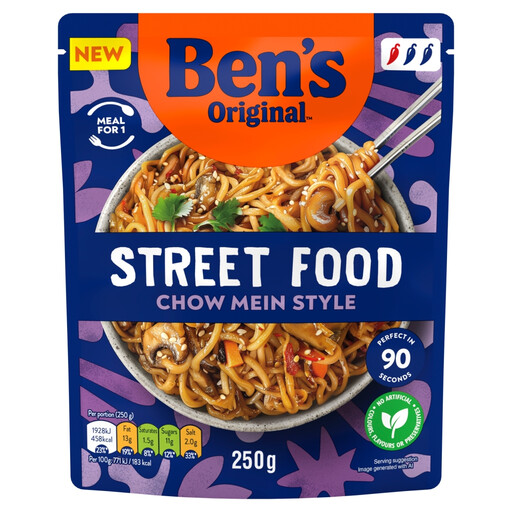
Why This Fits Their Persona: For those with a packed schedule, a meal that is ready in 90 seconds is a clear winner. This is an all-in-one microwaveable pot containing noodles, vegetables and sauce, making it ideal for a quick office lunch or a no-fuss dinner after a long day.
It avoids the "authentic flavour" illusion by being upfront about what it is: a convenient, Chinese-style street food meal. The flavour is pleasant and the inclusion of actual vegetables like mushrooms and water chestnuts provides texture that many basic pot noodles lack.
Ready in 90 seconds in the microwave. It is also a vegetarian-friendly option with no artificial colours or flavours.
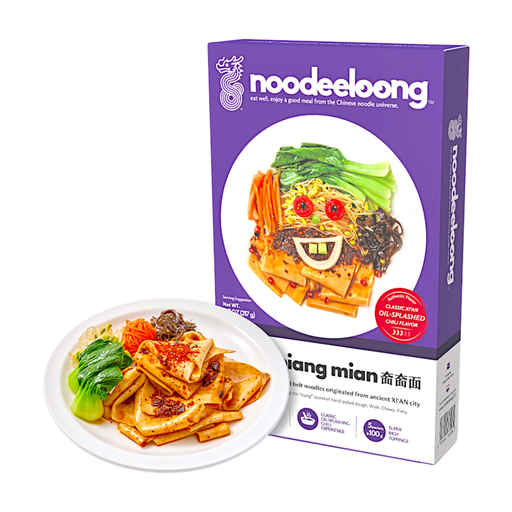
Why This Fits Their Persona: For those looking to try a specific regional Chinese dish, this kit offers an authentic taste of Xi'an. It is more involved than an instant pot but delivers a far more rewarding flavour and texture, perfect for a weekend culinary experiment.
It directly counters the "mushy noodle" problem with its signature wide, belt-like noodles that offer a substantial, chewy bite. The flavour is built from separate sachets of aged vinegar, soy sauce and aromatic chilli oil, avoiding the one-dimensional taste of a simple powder.
Offers a unique, satisfyingly chewy noodle texture. The oil-splashed chilli flavour is complex, savoury and aromatic, providing a genuine taste of regional Chinese street food.
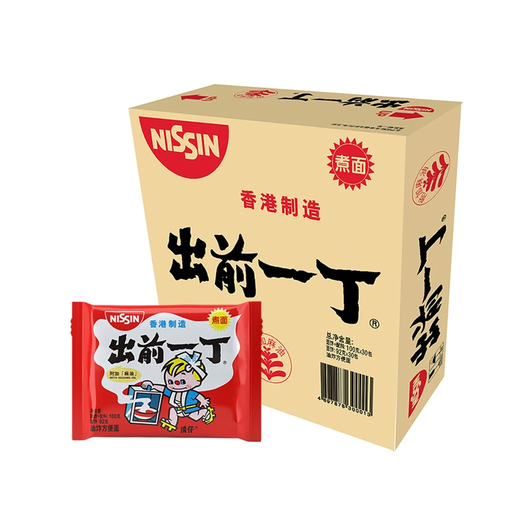
Why This Fits Their Persona: For families needing a reliable, cost-effective pantry staple, this 30-pack of instant noodles is an excellent choice. The classic sesame oil flavour is a crowd-pleaser, and having a large supply on hand makes it easy to whip up a quick meal for the kids or a simple lunch.
This product doesn't over-promise. It delivers exactly what it's known for: a consistent and comforting sesame-flavoured noodle soup. It avoids the pitfall of disappointing "authentic" claims by sticking to a classic, well-loved flavour profile. The value of the noodle multipack is clear and practical.
Excellent value with a 30-pack case. The iconic sesame oil flavour is a dependable base that can be easily customised with fresh toppings.
We have compiled a complete, real-time list of products that fully satisfy these strict selection criteria and UK safety regulations.
The easiest way to elevate a simple pack of instant noodles is by adding fresh ingredients. Consider dropping a cracked egg into the boiling broth, adding some chopped spring onions, a handful of spinach or some leftover cooked chicken or tofu. A dash of soy sauce or a drizzle of chilli oil can also add extra depth.
The primary difference is their core ingredient. Egg noodles are made from wheat flour and eggs, giving them a firm, chewy texture and a yellowish colour. They are robust and hold up well in stir-fries and hearty soups. Rice noodles are made from rice flour and water, making them gluten-free. They have a softer, more delicate texture and are commonly used in lighter soups like Ph? and fresh salads.
While incredibly convenient, most pot noodles are best viewed as an occasional snack rather than a staple meal. They are often high in sodium and can lack the fibre and protein of a balanced meal. For a more nutritious quick option, consider an instant noodle pack where you can add your own fresh vegetables and protein or choose plain noodles and build a meal from scratch.