
24/7 Customer Support

Free returns

Same-day & Next-day Delivery

Quality Guaranteed

Unlock Your Welcome Offers: FREE Delivery | Up to 80% OFF | Free 30-day JoyPlus trial
Download the APP
Navigating the world of Asian noodles can feel overwhelming. With countless shapes, sizes and ingredients, it's easy to end up with a product that doesn't quite work for your intended dish. As a Joybuy Product Recommendation Officer, my role is to help you understand the key differences and avoid common purchasing mistakes, ensuring you choose the right noodles for a perfect meal every time.
Many home cooks fall into a few common traps. Firstly, there's the "one-noodle-fits-all" approach, where a single type is used for everything from soups to stir-fries, often resulting in a mushy or disappointing texture. Secondly, vague packaging can be misleading, with terms like "oriental style" offering no real clue as to the noodle's composition or ideal use. Finally, a frequent issue is the texture trap: buying noodles that either disintegrate in hot broth or clump into a sticky mass, ruining an otherwise well-prepared dish.
To avoid these pitfalls, it helps to understand a few key factors. Paying attention to these details will transform your home cooking, allowing you to select the perfect foundation for any Asian-inspired recipe.
Noodle Composition and Type: The primary ingredient dictates the noodle's texture and flavour. The most common are wheat-based Chinese dried noodles, which range from the fine, delicate strands of Shanghai noodles to the broad, chewy ribbons of knife cut noodles. Japanese ramen noodles are also wheat-based but are often treated with an alkaline agent for a springier bite. For a different profile, buckwheat noodles (soba) offer a nutty, earthy flavour, while Korean noodles like kalguksu are prized for their soft, comforting chew. For a low-calorie alternative, konjac noodles provide a unique, gelatinous texture that's excellent at absorbing flavours.
Shape and Thickness: The form of the noodle is not just for aesthetics; it's functional. Wide noodles and hand pulled noodles have more surface area, making them ideal for clinging to rich, heavy sauces. In contrast, ultra-fine somen noodles are suited for light, clear broths or cold dipping sauces where their delicate texture can shine. The right shape ensures a balanced mouthful of noodle and sauce in every bite.
Intended Cooking Method: Consider how you plan to prepare your meal. Robust, firm noodles are essential as noodles for stir fry, as they need to withstand high heat and vigorous tossing without breaking. For noodles for hot pot, you'll want a type that cooks quickly in the simmering broth but doesn't turn to mush. For maximum convenience, all-in-one instant noodle kits provide perfectly paired noodles and seasonings, taking the guesswork out of a quick meal.
Based on these practical considerations, here are a few recommendations matched to different household needs and cooking styles.

Why This Fits Their Persona: This is an ideal solution for anyone short on time but unwilling to compromise on flavour. The instant noodle kit format means a satisfying, authentic-tasting meal is ready in about five minutes with just boiling water, perfect for a quick lunch or late-night study session.
It completely bypasses the "one-noodle-fits-all" problem by providing wide, chewy noodles specifically designed to be paired with the included rich sesame and chilli oil sauce.
The non-fried, air-dried wide noodles offer a superior chewy texture. The all-in-one packet delivers a complex, Sichuan-style flavour profile with minimal effort.
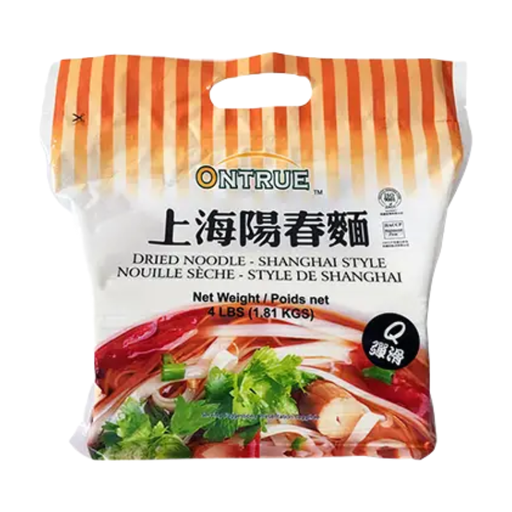
Why This Fits Their Persona: For households that use noodles regularly, this large 1.81kg pack offers excellent value and a versatile pantry staple. These fine, straight noodles are a classic base for countless Chinese dishes, from simple soup noodles to more elaborate tossed or stir-fried meals.
This product directly counters the "texture trap." It is specifically formulated to resist overcooking, ensuring the noodles remain distinct and the broth stays clear, avoiding the common issue of mushiness.
The noodles have a quick cooking time of 2-3 minutes and a smooth, refreshing texture. The large pack size makes it an economical choice for family meal planning.
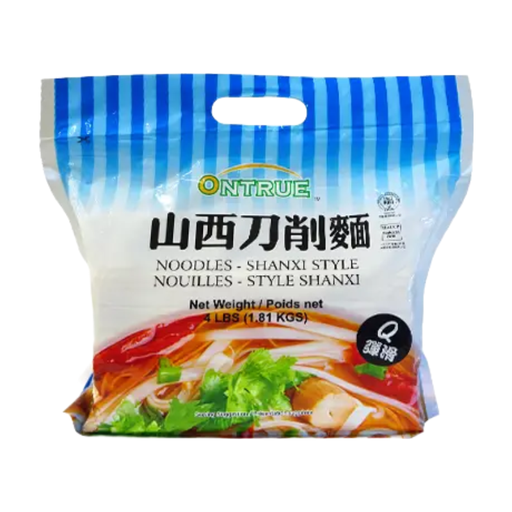
Why This Fits Their Persona: For the cook looking to replicate authentic regional dishes, these Shanxi-style knife-cut noodles are a must-have. Their unique, wide and thick shape provides a substantial, chewy bite that is central to many northern Chinese recipes, something a generic noodle cannot replicate.
This product avoids the "misleading packaging" trap by being exactly what it claims: authentic knife-cut noodles. The specific shape and texture are designed for dishes like braises and hearty soups.
The noodles feature a unique edge design that helps them absorb more sauce and broth, enhancing flavour. They have a firm, satisfyingly chewy texture that holds up well in hot pot and stews.
We have compiled a complete, real-time list of products that fully satisfy these strict selection criteria and UK safety regulations.
1. How do I prevent my Asian noodles from sticking together? The key is to use a large pot with plenty of boiling water, which gives the noodles room to move. Stir them gently with chopsticks or a fork immediately after adding them to the water. Once cooked, draining them and rinsing briefly under cold water can help remove excess surface starch, which is a primary cause of stickiness, especially for noodles intended for salads or stir-fries.
2. What is the main difference between Chinese and Japanese noodles? While both cuisines feature a vast array of noodles, a general distinction can be made. Many popular Chinese wheat noodles, like Shanghai noodles, are simply made from wheat, water and salt. In contrast, Japanese ramen noodles often include an alkaline agent called kansui, which gives them their characteristic yellow hue, springy texture and distinct flavour. Japanese cuisine also prominently features buckwheat noodles (soba) and thick wheat udon, each with its own unique profile.
3. Can I use any type of noodle for a stir-fry? While you can technically use any noodle, some are much better suited for the task. The ideal noodles for stir fry are firm and robust enough to withstand the high heat and tossing in a wok without breaking apart or becoming mushy. Dried wheat noodles that have been boiled and rinsed, or pre-cooked lo mein style noodles, are excellent choices. Delicate, fine noodles like somen or fresh rice vermicelli are generally too fragile and are better reserved for soups or salads.