
24/7 Customer Support

Free returns

Same-day & Next-day Delivery

Quality Guaranteed

Unlock Your Welcome Offers: FREE Delivery | Up to 80% OFF | Free 30-day JoyPlus trial
Download the APP
The world of Asian noodles is vast and delicious, offering everything from quick, comforting meals to the building blocks for elaborate culinary creations. However, when you decide to buy noodles online in the UK, the sheer variety can be overwhelming. Navigating a wall of colourful packaging, unfamiliar names and promises of "authentic" flavour can often lead to disappointment.
As the Joybuy Product Recommendation Officer, my role is to help you sidestep common purchasing pitfalls. Many shoppers find themselves let down by three key issues:
By understanding a few core parameters, you can make a more informed choice and ensure your pantry is stocked with noodles you will genuinely enjoy.
To avoid the common traps, focus on these three factors. They are far more important than flashy packaging or marketing slogans.
The texture of your finished dish is determined by how the noodle is made. There are three main types you will encounter:
Look beyond generic descriptions like "chicken" or "seafood." Understanding the flavour's origin gives you a much better idea of what to expect.
Consider how you plan to use the noodles.
Based on these practical considerations, here are a few recommendations matched to different needs and preferences.
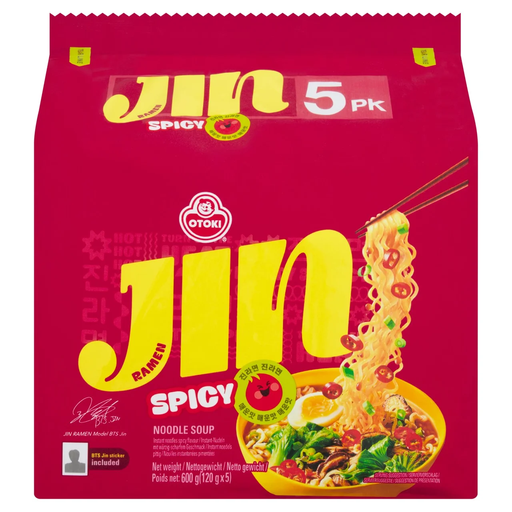
Why This Fits Their Persona: This multipack is perfect for stocking the cupboard for quick lunches or late-night study sessions. It delivers a satisfying and flavourful meal in minutes without requiring extra ingredients.
It sidesteps the "Spice Gamble" by offering a well-balanced, medium heat that is enjoyable rather than overwhelming. The noodles are known for their consistently chewy texture, avoiding the mushy noodle pitfall.
The multipack format offers excellent value. The flavour profile is a versatile base for adding your own toppings like an egg or spring onions.

Why This Fits Their Persona: For those looking to replicate a specific Korean dish at home, this is an excellent choice. It provides the distinct flavour of jjajangmyeon, moving beyond standard soup-based ramen into a different category of noodle meal.
This product directly counters the "Authentic Flavour Mismatch." It is not a generic noodle soup but a well-known instant version of a beloved Korean dish, delivering the expected savoury, rich black bean sauce flavour.
It features thick, chewy noodles that hold up well to the rich sauce. The inclusion of real vegetable flakes and an olive oil seasoning sachet adds layers of flavour and texture.

Why This Fits Their Persona: For anyone drawn to the viral spicy noodles challenge, the Samyang Buldak range is the go-to. The Carbonara version is a hugely popular entry point, combining the brand's signature fire with a creamy, cheesy sauce.
This product completely avoids the "Spice Gamble" because its intense heat is its main selling point. Buyers know exactly what they are getting: a famously spicy challenge. There is no ambiguity.
The creamy carbonara powder provides a delicious counterpoint to the fiery chicken sauce, creating a rich and complex flavour. The noodles are extra thick and chewy, standing up well to the bold sauce.
We have compiled a complete, real-time list of products that fully satisfy these strict selection criteria and UK safety regulations.
1. How can I make my instant noodles taste less basic? Elevating a simple pack of instant noodles is easy. Add fresh ingredients like a soft-boiled egg, chopped spring onions, sautéed mushrooms or some leftover cooked chicken. A drizzle of sesame oil, a splash of soy sauce or a spoonful of chilli crisp right before serving can also dramatically improve the flavour and texture.
2. Are all Asian noodles spicy? Not at all. This is a common misconception. There is an incredible diversity of non-spicy noodles. For example, Japanese tonkotsu ramen is known for its rich, savoury pork broth, while jjajangmyeon from Korea features a mild, savoury black bean sauce. Many varieties of Chinese noodles are served in clear, delicate broths or as simple stir-fries.
3. What is the difference between ramen, udon, and soba noodles? These are three distinct types of Japanese noodles. Ramen are thin noodles made from wheat and they are typically served in a hot broth. They are known for their springy, chewy texture. Udon are very thick, soft and chewy wheat noodles, also often served in a broth. Soba noodles are made from buckwheat flour, giving them a slightly nutty, earthy flavour and a darker colour. They can be served either hot in a soup or chilled with a dipping sauce.