
24/7 Customer Support

Free returns

Same-day & Next-day Delivery

Quality Guaranteed

Unlock Your Welcome Offers: FREE Delivery | Up to 80% OFF | Free 30-day JoyPlus trial
Download the APP
From the fiery kick of Korean tteokbokki to the comforting chew of Chinese stir-fried nian gao, Asian rice cakes have become a staple for adventurous home cooks across the UK. Yet, a quick search for "Asian rice cakes" online reveals a confusing array of shapes, textures and types. Choosing the wrong one can lead to culinary disappointment—a sticky, mushy mess instead of a satisfyingly chewy dish, or a crunchy snack when you needed a cooking ingredient.
As the Joybuy Product Recommendation Officer, my role is to help you navigate these choices. Before you add anything to your basket, let's look at the common pitfalls that can trip up even seasoned foodies.
To ensure you get the perfect result every time, focus on these three core parameters.
The shape of the rice cake is your first clue to its intended use.
The type of rice used fundamentally changes the texture.
How the rice cakes are stored affects convenience and preparation.
To help you choose, we've matched some popular options to different cooking needs and preferences.
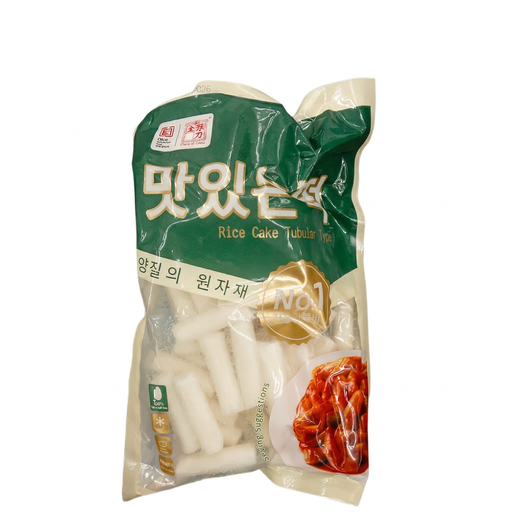
Why This Fits Their Persona: Perfect for the home cook dedicated to recreating authentic Korean street food. The uniform tubular shape is exactly what's needed for a classic tteokbokki that looks and tastes right.
This is the correct tubular form factor for simmering in a sauce, avoiding the "texture mismatch" pitfall of using thin slices that would turn to mush.
Made with glutinous rice for an authentic soft and chewy texture. Pre-cut into sticks for convenience, saving preparation time.
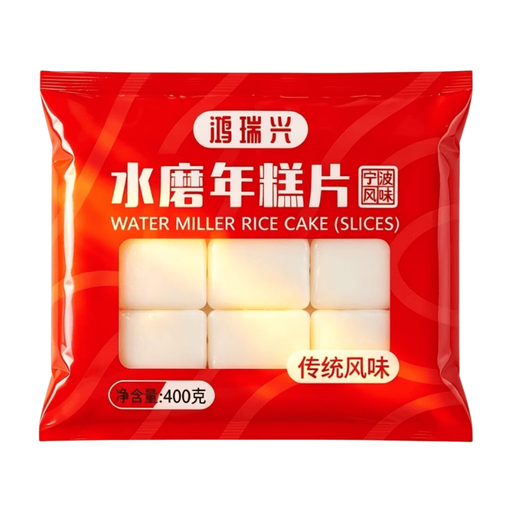
Why This Fits Their Persona: Ideal for anyone wanting to make classic Shanghai or other Chinese stir-fried rice cake dishes. The pre-sliced oval shape is designed for quick cooking in a wok.
These are specifically sliced for stir-frying, preventing the use of incorrect shapes. The blend of glutinous and japonica rice provides a texture that softens without disintegrating under high heat.
The traditional water-milling process yields a superior soft and chewy texture. Being pre-sliced saves significant prep time and ensures even cooking.
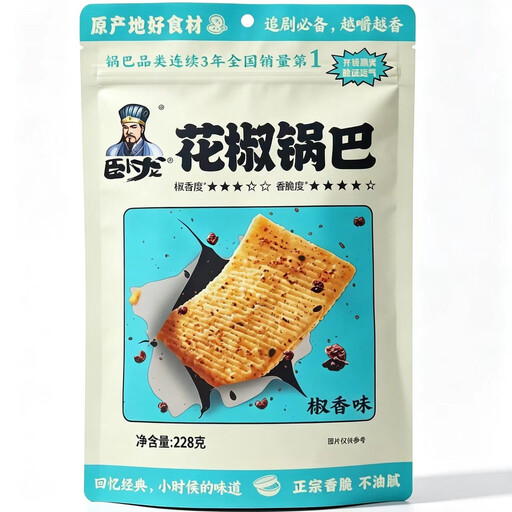
Why This Fits Their Persona: For the student, movie-watcher or adventurous snacker looking for bold Asian snacks online in the UK. This is a ready-to-eat cracker with an authentic, numbing Sichuan peppercorn flavour.
This is clearly a ready-to-eat snack, eliminating the risk of confusing it with a cooking ingredient. Its crispy texture is designed for snacking, not simmering.
Made with a high millet content (≥60%) for a satisfying crunch. The low-temperature roasting process gives it a non-fried texture, and the Sichuan peppercorn offers a unique "málà" (numbing and spicy) flavour.
We have compiled a complete, real-time list of products that fully satisfy these strict selection criteria and UK safety regulations.
If you are using shelf-stable, vacuum-packed rice cakes, the key is to separate them before cooking. Soaking them in cool or warm water for 10-20 minutes usually does the trick. You can gently pry them apart with your fingers. For all types, ensure your pan, wok or pot is sufficiently hot and, for stir-frying, use enough oil. Stirring frequently also helps prevent sticking.
The primary differences are shape and typical texture. Chinese rice cakes (nian gao) are often flat, oval slices and can be very soft and sticky, especially those made purely from glutinous rice. They are used in stir-fries and sweet or savoury soups. Korean rice cakes (tteok) for savoury dishes are usually thick, dense cylinders with a firmer, bouncier chew, designed to hold their shape in stews like tteokbokki.
For cooked rice cakes, store them in an airtight container in the refrigerator and consume within 1-2 days. For uncooked, opened packs of shelf-stable rice cakes, place them in an airtight container or sealed bag in the refrigerator and use within 3-4 days, as they can dry out or spoil. Unopened frozen rice cakes should remain in the freezer until you are ready to use them.