
24/7 Customer Support

Free returns

Same-day & Next-day Delivery

Quality Guaranteed

Unlock Your Welcome Offers: FREE Delivery | Up to 80% OFF | Free 30-day JoyPlus trial
Download the APP
As a Joybuy Product Recommendation Officer, I often speak with home cooks across the UK who are passionate about recreating authentic Asian dishes. A common frustration they share is the difficulty in sourcing the right seafood. While local supermarkets are improving, finding specific ingredients like whole yellow croaker or pre-cut ribbonfish remains a challenge.
Shopping online opens up a world of choice, but it also presents its own set of challenges. Navigating the options can be confusing, and it is easy to make a purchase that does not meet your expectations. Before you fill your basket, let’s look at a few common pitfalls to avoid.
To ensure you get quality and value, focus on a few key details on the product page. This will help you select the right Asian seafood for your culinary needs.
Always look for the net weight or drained weight of the product. Reputable suppliers will clearly state both the gross weight and the net weight of the fish itself. For example, a product might be listed as "1kg (Net 800g)," indicating a 20% protective ice glaze. This transparency allows you to accurately calculate the price per gram of the actual seafood, ensuring you get what you pay for. This is particularly important for bulk purchases of frozen Asian fish.
The type of fish is crucial. A Vietnamese catfish (Pangasius) offers a mild flavour and firm texture that holds up well in stir-fries and soups, making it a versatile choice. In contrast, a yellow croaker has a more delicate, slightly sweet flesh that is traditionally steamed or pan-fried. For specific dishes like Korean Galchi-jorim, you need ribbonfish (belt fish), which has a unique texture and flavour.
Pay attention to the cut as well. Boneless and skinless pangasius fillets save preparation time, while bone-in steaks or whole fish can add more flavour to broths and stews. Knowing the species and cut ensures your final dish has the authentic taste and texture you are aiming for.
The format you choose depends on your recipe and storage preferences.
To help you navigate the options, here are a few selections matched to different cooking styles and needs.
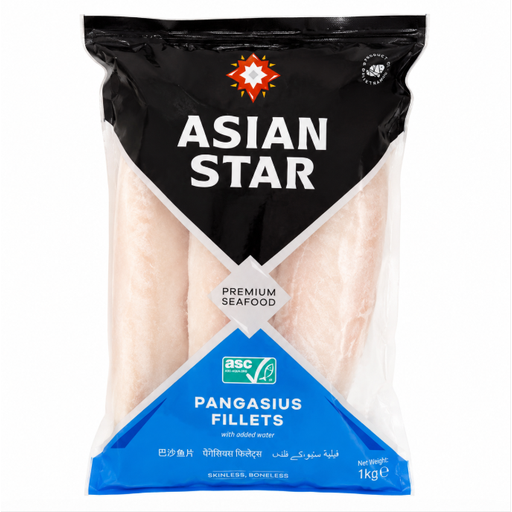
Why This Fits Their Persona: This is for the busy home cook who needs a reliable, versatile protein for quick and healthy meals. The boneless, skinless fillets are ready to be used in curries, stir-fries, or baked dishes without any fuss.
The packaging clearly states "1kg (Net 800g)," providing transparency about the 20% ice glaze. You know exactly how much fish you are getting, avoiding the net weight illusion.
The fillets are skinless, boneless and have a firm texture that does not break apart easily during cooking, making them ideal for a wide range of dishes.
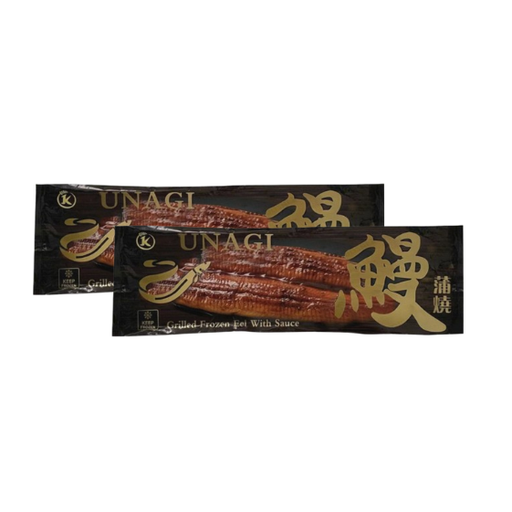
Why This Fits Their Persona: For the cook dedicated to making a specific dish like Japanese Unagi Don. They need a specific ingredient that delivers an authentic flavour profile without having to prepare it from scratch.
This product completely sidesteps the "mystery fish" problem. It is a very specific item—grilled and sauced eel—so you know exactly what you are getting for your recipe.
It offers convenience without compromising on flavour. Being pre-cooked and seasoned, it allows you to create a restaurant-quality dish at home in minutes.
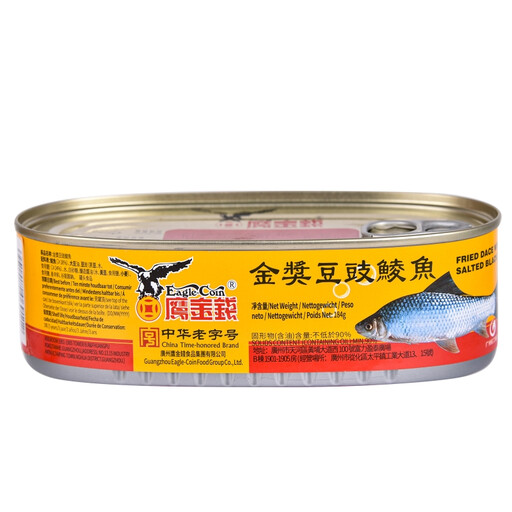
Why This Fits Their Persona: This is for someone who values having flavourful, long-lasting staples on hand. A can of fried dace can instantly elevate a simple bowl of rice or congee into a satisfying meal.
As a canned product, it avoids all issues related to freezing, glazing and freezer burn. The contents are preserved in oil, ensuring consistent quality and intense flavour every time.
It is ready-to-eat and packed with a rich, savoury flavour from the fermented black beans. It is a classic Cantonese comfort food that requires zero preparation.
We have compiled a complete, real-time list of products that fully satisfy these strict selection criteria and UK safety regulations.
Making a flavourful myeolchi yuksu (anchovy stock) is simple. For a basic stock, add a handful of large, headless dried anchovies for stock to a pot with about 1.5 litres of cold water. You can also add a piece of dried kelp (kombu) and a few dried shiitake mushrooms for more depth. Bring to a boil, then reduce the heat and simmer for 15-20 minutes. Skim off any foam that rises to the surface. Strain the stock, discarding the solids, and it is ready to use as a base for soups like doenjang-jjigae (soybean paste stew) or noodle dishes.
There is no difference; they are two names for the same fish. Pangasius is the scientific name for a genus of shark catfish native to Southeast Asia. The species most commonly farmed for food is Pangasius bocourti or Pangasius hypophthalmus, which is marketed globally as Vietnamese catfish, Basa, or Swai. It is popular for its mild taste, white flesh and affordable price.
Yes, it is safe, provided you buy from a reputable online retailer that follows UK food safety standards. Look for suppliers who describe their cold chain logistics. This typically involves storing products in temperature-regulated facilities and shipping them in insulated packaging with dry ice or frozen gel packs. This ensures the product remains frozen from the warehouse to your doorstep, maintaining its quality and safety. Always check the product's condition upon arrival and transfer it to your freezer immediately.