
24/7 Customer Support

Free returns

Same-day & Next-day Delivery

Quality Guaranteed

Unlock Your Welcome Offers: FREE Delivery | Up to 80% OFF | Free 30-day JoyPlus trial
Download the APP
Navigating the world of Asian drinks can be an exciting journey of flavour, from refreshing tropical fruit juices to unique low-alcohol sours. However, the growing popularity of these beverages in the UK has also led to a crowded market. It's easy to end up with a drink that promises an authentic taste but delivers little more than sugar and artificial flavouring.
As a Joybuy Product Recommendation Officer, my role is to help you see past the marketing and make informed choices. This guide will highlight common pitfalls to avoid and break down the key factors to consider, ensuring you get a genuine taste of Asia with every sip.
Before you add that colourful can to your basket, be aware of a few common issues that can lead to a disappointing purchase:
To ensure you are buying a quality product, focus on a few core parameters. These details are usually found on the product label or in the online description and are far more telling than the marketing claims on the front.
The most reliable indicator of quality is the ingredients list. For a genuine mango juice or passion fruit drink, look for real fruit puree or juice listed as one of the main ingredients, not just "flavouring."
The terminology can be confusing, but it defines the character of the drink.
To help you get started, here are a few ready-to-drink Asian beverages that align with different needs and preferences, all of which meet our criteria for quality and authenticity.
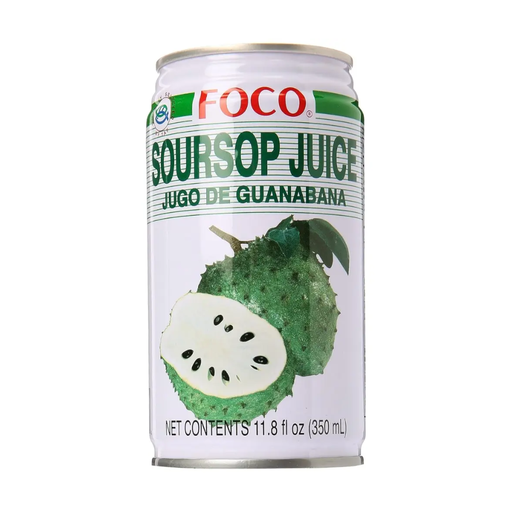
Why This Fits Their Persona: Perfect for those eager to explore unique world food drinks without committing to a large pack. Soursop offers a distinctive creamy, sweet and tangy flavour profile that is a true departure from standard UK soft drinks.
This drink lists Soursop Puree (25%) as a primary ingredient, ensuring you are tasting the actual fruit, not just an artificial "tropical" flavouring.
Provides an authentic taste of a less common tropical fruit. It is also vegan-friendly and gluten-free.
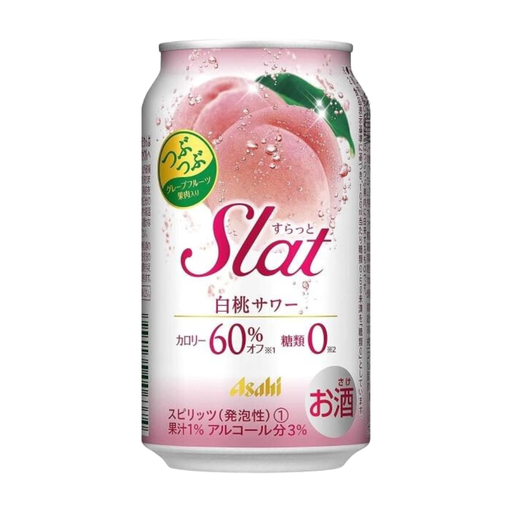
Why This Fits Their Persona: An excellent choice for casual gatherings or a relaxing evening. This Japanese sour drink is light, effervescent and offers a sophisticated flavour that is more interesting than standard ciders or beers.
This is a genuine chūhai-style drink, not a sugary alcopop. Its low-alcohol content (3% ABV) and balanced sweet-sour profile are clearly defined, managing expectations perfectly.
Crisp, refreshing and not overly sweet. The white peach flavour is delicate and authentic, making it a great sessionable drink for social occasions.
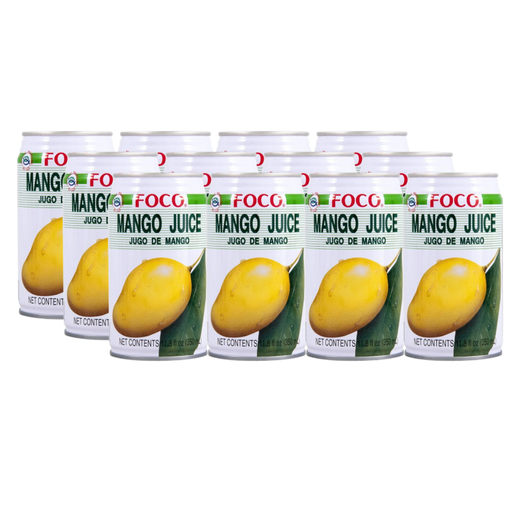
Why This Fits Their Persona: Ideal for families or individuals who love a classic mango nectar and want to stock up. Buying a multipack case of 12 is far more economical for regular enjoyment or for catering events.
This directly solves the "single-purchase premium" by offering value in bulk. With 25% mango purée, it also guarantees a rich, authentic flavour, not just a sugary imitation.
Cost-effective for stocking up. The rich, velvety texture and sweet flavour make it a versatile drink to be enjoyed on its own or in smoothies.
We have compiled a complete, real-time list of products that fully satisfy these strict selection criteria and UK safety regulations.
1. What is the difference between Asian fruit juice and nectar? A fruit "juice" is typically the liquid extracted directly from the fruit. A "nectar," which is very common for world food drinks like mango or guava, is a blend of fruit puree (which is too thick to drink on its own), water and usually a sweetener. A quality nectar will have a high percentage of fruit puree.
2. How should I store ready-to-drink Asian beverages? Unopened cans and bottles should be stored in a cool, dry place away from direct sunlight to preserve their flavour. Once opened, any remaining drink should be refrigerated in a sealed container and consumed within 24-48 hours for the best taste and quality. Always serve chilled for maximum refreshment.
3. Are Japanese sour drinks like Asahi Slat very alcoholic? No, they are designed to be light and sessionable. Most, like the Asahi Slat range, have a low alcohol by volume (ABV), typically around 3%. This makes them a popular choice in Japan for pairing with meals or for relaxed social drinking, offering a flavourful experience without the high alcohol content of spirits or some wines. Always check the can for the exact ABV and drink responsibly.