
24/7 Customer Support

Free returns

Same-day & Next-day Delivery

Quality Guaranteed

Unlock Your Welcome Offers: FREE Delivery | Up to 80% OFF | Free 30-day JoyPlus trial
Download the APP
As a Joybuy Product Recommendation Officer, my role is to help you navigate the world of online shopping. When it comes to speciality foods like Asian fish cakes, the choice can be overwhelming. From bouncy fish balls for a winter hot pot to savoury grilled skewers for a bento box, getting the right product is key to an authentic dish. However, it's easy to end up with a product that doesn't meet expectations.
Many home cooks find themselves disappointed by a few common issues. Let's look at the main pitfalls to avoid when you buy your next pack of Asian fish cakes, ensuring you get the authentic taste and texture you're looking for.
To avoid these issues, focus on a couple of core details on the product page. These will tell you more about the product's quality and intended use than the marketing copy.
The foundation of almost all Asian fish cakes is surimi—a paste made from fish, typically pollock, threadfin bream or similar white fish. The quality and texture of the final product are heavily dependent on the percentage of fish in the surimi paste.
To ensure you get the right product for your dish, it's helpful to know the main types of fish cakes and how they are traditionally used.
Based on these practical criteria, here are a few recommendations from our catalogue, matched to different cooking needs and preferences.
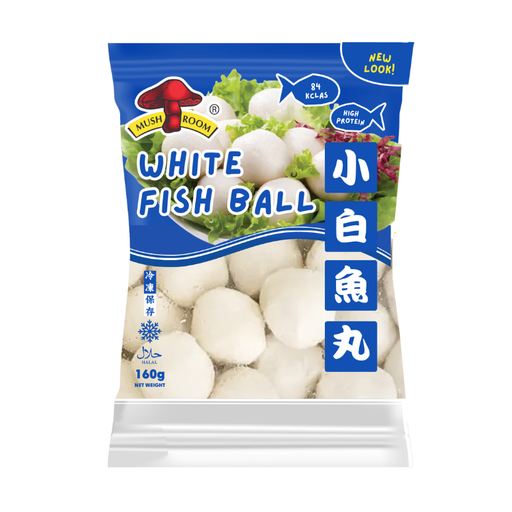
Why This Fits Their Persona: Perfect for UK home cooks who love hosting hot pot nights. These bite-sized fish balls are designed to be simmered, absorbing the flavours of the broth while providing a satisfying, bouncy texture that is a hallmark of a good hot pot experience.
This product directly counters the "texture trap." Made with 52% fish meat (Nemipterus spp.), it is formulated specifically for boiling, ensuring it maintains a springy bite rather than turning mushy in the soup.
Quick to cook directly from frozen. The addition of mushroom provides an extra layer of umami flavour that complements savoury broths.
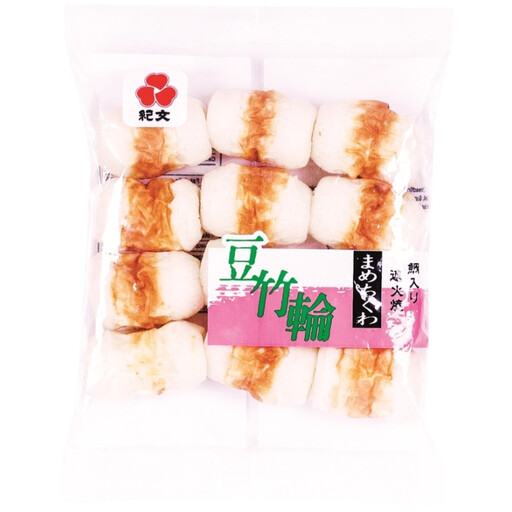
Why This Fits Their Persona: For the home cook dedicated to recreating authentic Japanese dishes like oden, noodle soups or preparing a visually appealing bento box. This is a classic, recognisable ingredient in Japanese cuisine.
This avoids the "flavour mismatch" pitfall. As a traditional chikuwa, it has the authentic grilled taste and characteristic springy texture expected in Japanese cooking, rather than being a generic, bland fish cake.
Its mini, tube-like shape is perfect for skewers, slicing into soups or as a component in bento boxes. It's pre-cooked and can be eaten cold or gently heated.
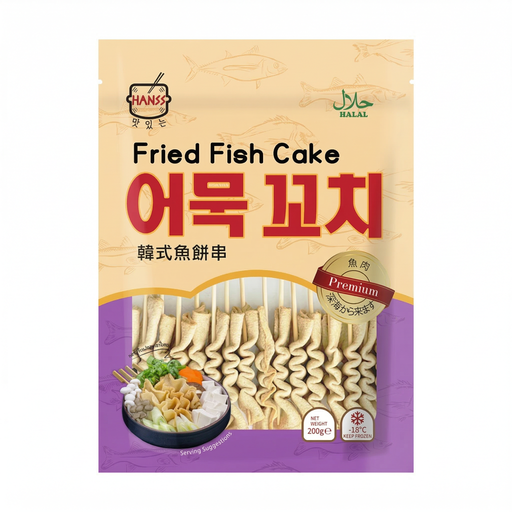
Why This Fits Their Persona: Ideal for busy individuals or families in the UK looking for a versatile and quick protein source. It can be sliced and added to a vegetable stir-fry, dropped into an instant noodle soup or pan-fried as a simple side dish for a fast and flavourful meal.
This solves the "vague label" problem. It is clearly a fried fish cake, meaning its texture is firm and robust enough to withstand pan-frying and stir-frying without falling apart, unlike softer, steamed varieties.
Extremely versatile and requires minimal preparation. The pre-fried exterior adds a pleasant texture and savoury flavour with just a few minutes of heating.
We have compiled a complete, real-time list of products that fully satisfy these strict selection criteria and UK safety regulations.
While all are based on fish paste, their flavour and preparation differ significantly. Japanese fish cakes like kamaboko are often steamed or grilled with a delicate, subtly sweet flavour. Thai fish cakes (tod man pla) are distinctly different; they are fried and heavily seasoned with red curry paste, kaffir lime leaves and herbs, giving them a bold, spicy and aromatic profile. Chinese-style frozen fish balls are typically boiled and prized for their exceptionally bouncy texture, serving as a staple in noodle soups and hot pots.
Always refer to the storage instructions on the packaging. As a general rule, once you open a pack of frozen fish balls, you should press out as much air as possible before resealing the bag. Store it in the freezer and aim to use the contents within one month for the best texture and flavour. If you have thawed the fish balls, keep them refrigerated and consume them within 48 hours. It is not recommended to refreeze thawed fish products.
Yes, making a delicious and comforting bowl of oden at home is very straightforward with the right ingredients. You can start with a simple dashi-based broth (many instant versions are available) and then add your chosen oden ingredients. Look for items like chikuwa (grilled fish cake), hanpen (a very soft, white fish cake) and various fried fish cakes. Combine these with traditional additions like daikon radish, hard-boiled eggs and konjac for an authentic experience.