
24/7 Customer Support

Free returns

Same-day & Next-day Delivery

Quality Guaranteed

Unlock Your Welcome Offers: FREE Delivery | Up to 80% OFF | Free 30-day JoyPlus trial
Download the APP
Stocking your pantry to recreate the authentic flavours of China can be a rewarding journey. Yet, for many UK home cooks, it can also be a confusing one. Navigating the world of dried herbs, fungi and spices often means deciphering vague labels and questioning the quality of what you’re buying. As a Joybuy Product Recommendation Officer, my role is to help you bypass the common issues and select ingredients that deliver genuine taste and value.
Many find themselves disappointed when their home-cooked mapo tofu lacks that signature numbing tingle, or a nourishing soup tastes flat. This often comes down to a few common purchasing pitfalls:
By understanding a few core parameters, you can confidently choose high-quality, authentic Chinese cooking ingredients for your kitchen.
To ensure you're getting the real deal, focus on these three factors. They are far more important than fancy packaging or marketing claims.
Not all ingredients are created equal, and origin matters immensely in Chinese culinary traditions. Just as a Scotch whisky's character is tied to its region, the flavour of many traditional Chinese food ingredients is defined by their terroir.
Checking the origin helps ensure you are buying authentic Chinese spices and not a less potent substitute.
How an ingredient is dried and preserved directly impacts its final taste and quality. Look for products that specify their methods. Natural, sun-dried ingredients often retain a more complex and nuanced flavour compared to those dried quickly with industrial heat.
Pay close attention to the ingredients list for preservatives. In the UK, allergens must be clearly listed. If you see sulphites or sulphur dioxide mentioned, it means it has been used as a preservative. This is particularly common in lighter-coloured dried Chinese herbs and fruits like lily bulbs or apricots to prevent browning. While safe for most, those with sensitivities should be aware.
Dried ingredients come in various forms—whole, sliced or powdered—and each has its purpose.
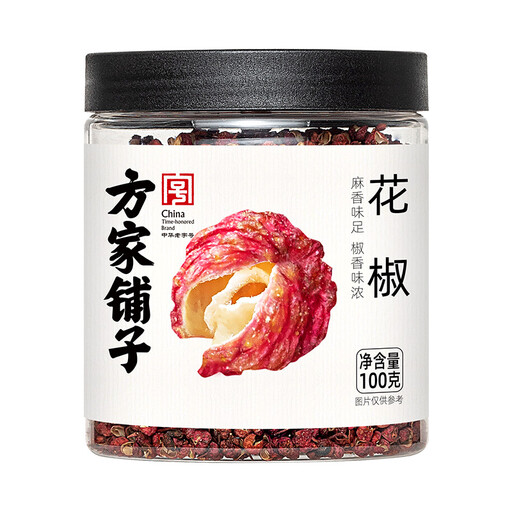
Why This Fits Their Persona: For anyone serious about recreating authentic Sichuan dishes like mapo tofu or kung pao chicken in their UK kitchen, the quality of the peppercorn is non-negotiable. This product is for the cook who refuses to compromise on the signature málà flavour.
It directly counters the "authenticity gap" by providing 100% pure Sichuan peppercorns selected for their potent aroma and numbing quality, ensuring your dishes have the genuine flavour profile.
Sold whole to preserve maximum freshness and aroma. Can be toasted and ground as needed for a far superior flavour compared to pre-ground powders.
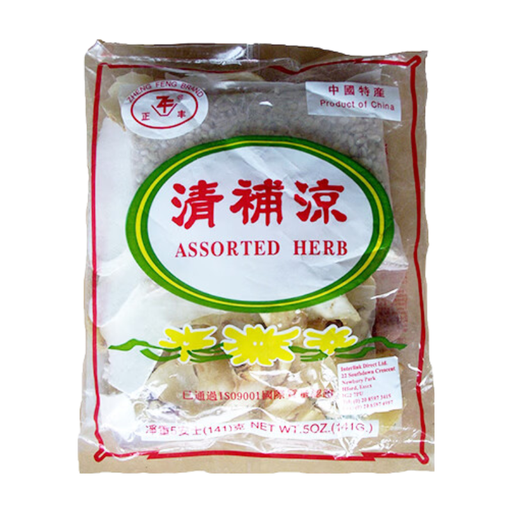
Why This Fits Their Persona: Ideal for those wanting to make traditional Cantonese nourishing soups (老火湯) without the hassle of sourcing over half a dozen individual ingredients. This is a convenient starting point for exploring the world of Chinese soup ingredients.
This pre-made mix solves the "vague instructions" problem by providing a balanced blend of classic soup herbs. It also clearly declares allergens like Barley and Sulphites on the label, ensuring transparency.
A convenient, pre-portioned mix containing pearl barley, dried lily bulb, Chinese yam and lotus nut. It takes the guesswork out of creating a foundational herbal soup base.
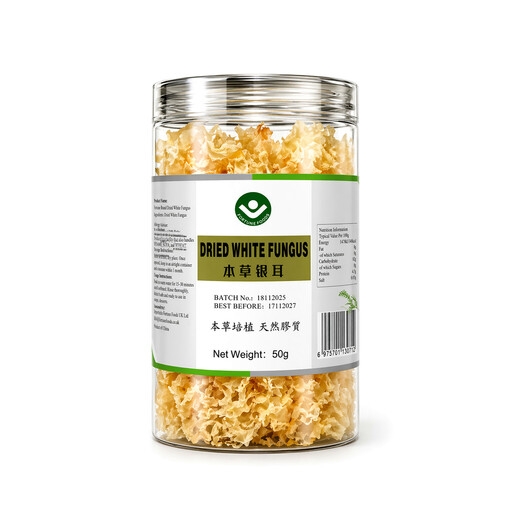
Why This Fits Their Persona: Perfect for the home cook interested in texture and creating nourishing sweet soups (tong sui). Silver ear, or white fungus, is prized for its delicate, gelatinous quality after rehydration and is a staple in many Asian desserts.
This product provides clear usage instructions, advising the user to soak the fungus until soft and remove the hard yellow parts. This prevents the common pitfall of improper preparation, which results in a tough, unpleasant texture.
Delivers a unique soft-yet-crunchy texture rich in plant-based polysaccharides. It's a versatile ingredient for both sweet desserts and savoury broths.
We have compiled a complete, real-time list of products that fully satisfy these strict selection criteria and UK safety regulations.
For most dried Chinese herbs and spices, the rule is to store them in a cool, dark and dry place. An airtight container is essential to protect them from moisture and air, which degrade their flavour and aroma. Aromatic spices like Sichuan peppercorns and star anise are particularly sensitive to light and air, so keeping them in an opaque, sealed jar in a cupboard is ideal. For some valuable items like aged tangerine peel or certain fungi, refrigeration might be recommended for long-term storage; always check the package for specific advice.
This is a critical instruction that should not be ignored. It means the ingredient is in its raw state and is not safe or palatable to eat without being cooked. This applies to many Asian pantry staples like dried mushrooms, kelp and various beans or roots. The process almost always involves soaking the item in water first to rehydrate it, followed by boiling, stewing or stir-frying as part of a recipe.
Sulphites (or sulphur dioxide) are preservatives used to prevent discolouration and inhibit microbial growth in many dried foods, including some fruits and herbs. In the UK and EU, sulphites must be declared on the label if present above a certain concentration, as they can trigger reactions in sensitive individuals, particularly those with asthma. If you have a known sensitivity, always check the allergen information, which is typically highlighted in bold in the ingredients list. For most people, the levels used in food are considered safe.