
24/7 Customer Support

Free returns

Same-day & Next-day Delivery

Quality Guaranteed

Unlock Your Welcome Offers: FREE Delivery | Up to 80% OFF | Free 30-day JoyPlus trial
Download the APP
As interest in world spirits grows across the UK, Chinese Baijiu is moving from a niche curiosity to a celebrated spirit found in discerning homes and high-end restaurants. Yet, for many, the journey to buy baijiu in the UK is filled with uncertainty. With its vast range of styles, prestigious branding and often significant price tags, it is easy to make a costly misstep.
Many first-time buyers fall into a few common traps. They might purchase a bottle based on name recognition alone, only to find its potent flavour profile is not to their taste. Others might select a spirit that is inappropriate for the occasion—bringing a fiery, rustic liquor to a formal banquet, for instance. A third pitfall is simply navigating the complex terminology, leaving you unsure if you are buying a genuine article or paying a premium for the wrong reasons. This guide will help you understand the essential factors to consider, ensuring your choice is a rewarding one.
Before adding a bottle to your basket, focusing on a few core parameters will help you navigate the market with confidence. Understanding these elements is the key to finding a baijiu that suits your palate, occasion and budget.
Unlike whisky or gin, baijiu is primarily categorised by its aroma. This is the single most important factor determining its taste. The three main categories you will encounter are:
The primary grain used in most high-quality baijiu is red sorghum, but others like rice, wheat, corn and glutinous rice are also used, particularly in strong aroma styles. The unique combination of grains, the local water source and the specific fermentation starter, known as qū (麴), all contribute to the final flavour. The region is also critical; Guizhou is the undisputed home of sauce aroma, while Shanxi is famous for light aroma and Sichuan for strong aroma.
Baijiu is a spirit deeply intertwined with culture and occasion. High-proof expressions, often at a potent 53% ABV, are traditional for celebratory toasts at banquets, business dinners or during festivals like the Mid-Autumn Festival. They are meant to be sipped in very small cups, not taken as large shots. Lighter ABV versions, around 40-48%, are also available and can be more suited to casual meals or for those who prefer a milder spirit.
To help you make a selection, we have matched some notable bottles to different types of buyers.

Why This Fits Their Persona: This is an ideal starting point for anyone in the UK curious about premium baijiu. As a classic light aroma baijiu, its clean, subtly floral and sweet profile is often more immediately accessible than the savoury notes of sauce aroma.
It prevents a newcomer from being overwhelmed by the intense, umami-forward character of a sauce aroma, which can be a challenging first taste. It offers a genuine, high-quality experience without confusion.
Aged for 10 years, it provides a smooth and refined character. Fenjiu is a historically significant brand, offering an authentic introduction to the category.
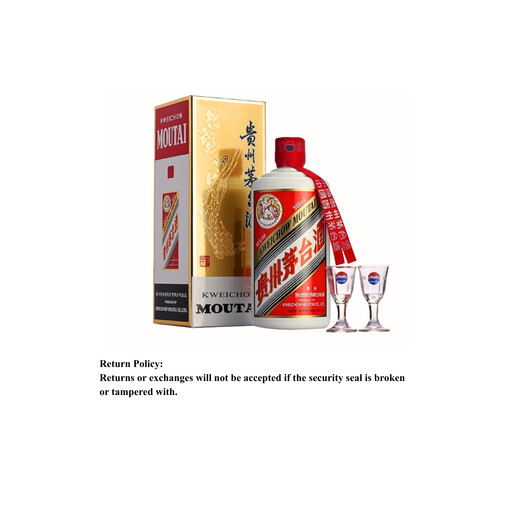
Why This Fits Their Persona: For a significant corporate gift, a major family celebration or as a cornerstone of a spirits collection, Moutai is the unparalleled choice. The "Flying Fairy" is its most iconic expression, recognised globally as a symbol of premium Chinese liquor.
This choice avoids the pitfall of selecting a lesser-known brand that may not carry the same cultural significance. When the goal is to impress or show respect, Moutai is a universally understood gesture of high esteem.
It offers an incredibly complex sauce aroma profile that connoisseurs seek. Its status as China's national liquor makes it a valuable and culturally significant gift, especially for occasions like the Mid-Autumn Festival.
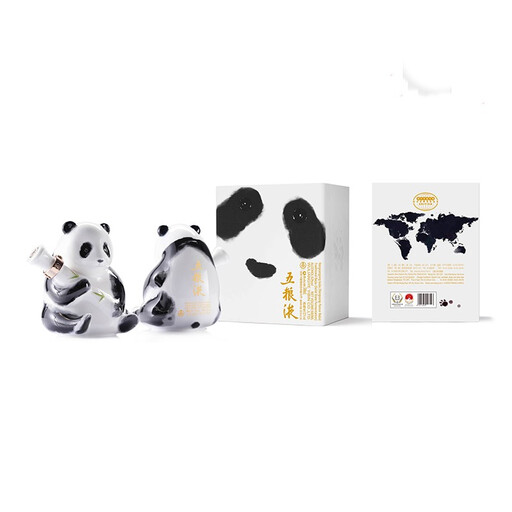
Why This Fits Their Persona: As a premier example of the strong aroma style, Wuliangye is a fantastic choice for a dinner party. Its rich, fruity and multi-layered profile is a crowd-pleaser and pairs exceptionally well with a wide range of Chinese dishes.
It avoids the mistake of choosing a baijiu that is too niche. While a sauce aroma can be divisive, the fruity and robust character of a strong aroma like Wuliangye is widely appreciated and complements a celebratory meal perfectly.
Crafted from five different grains, it has a remarkable depth of flavour. It is a prestigious brand that signals a knowledgeable and generous host, without being as singularly focused as Moutai.
The world of Chinese alcoholic beverages extends beyond baijiu. For those seeking a different experience, aged Shaoxing rice wine (Huangjiu) offers a complex, sherry-like character at a much lower alcohol content. An aged expression like the GuYueLongShan 20 Year is perfect for gentle sipping, often served warm and adds incredible depth to culinary dishes.
We have compiled a complete, real-time list of products that fully satisfy these strict selection criteria and UK safety regulations.
Baijiu is traditionally served at room temperature in small, thimble-sized glasses. It is a social spirit, meant for toasting. The custom is to hold the glass with two hands, clink glasses with others below the rim of their glass to show respect and often finish the small pour in one go after saying "gānbēi" (干杯). It is meant to be sipped and savoured during a meal, not consumed quickly in large volumes.
Several factors contribute to the high cost of premium baijiu like Moutai. The production process is extremely labour-intensive and time-consuming, often taking a minimum of five years from distillation to release. It uses specific, high-quality local ingredients and a complex, proprietary fermentation process. Furthermore, its cultural status as a luxury good and a symbol of prestige creates exceptionally high demand, both for consumption and as a collector's item.
Pairing depends on the aroma profile. Light Aroma baijiu like Fenjiu works well with more delicate fare, such as steamed fish, fresh seafood and light vegetable dishes. Strong Aroma baijiu like Wuliangye can stand up to rich, flavourful and spicy Sichuan or Hunan cuisine. The savoury, complex Sauce Aroma of Moutai is often reserved for formal banquets with a wide variety of rich dishes, from Peking duck to braised pork belly.