
24/7 Customer Support

Free returns

Same-day & Next-day Delivery

Quality Guaranteed

Unlock Your Welcome Offers: FREE Delivery | Up to 80% OFF | Free 30-day JoyPlus trial
Download the APP
As a staple in many UK kitchens, basmati rice forms the foundation of countless delicious meals, from fragrant biryanis to simple, fluffy side dishes. Yet, navigating the supermarket aisle or online listings can be confusing. With terms like "aged," "extra long grain" and a dozen different brands, it is easy to choose a product that doesn't deliver on its promise. Many shoppers find themselves with rice that turns clumpy, lacks aroma, or simply doesn't justify its price tag.
As the Joybuy Product Recommendation Officer, my role is to help you sidestep these common issues. This guide will break down what really matters when selecting basmati rice, ensuring you get the right grain for your needs without falling for marketing hype.
To make a confident choice, focus on these three practical parameters instead of just the marketing claims on the bag.
The way the rice is processed determines its flavour, texture and nutritional profile.
Choosing the right pack size is key to balancing value and freshness.
Your lifestyle and available time will influence this choice.
Based on these practical considerations, here are a few options tailored to different UK households.
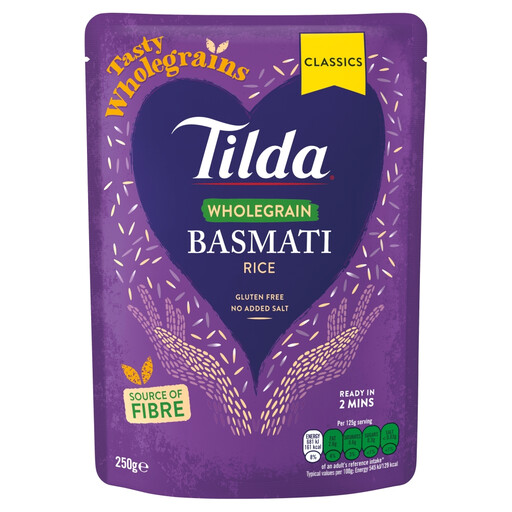
Why This Fits Their Persona: This is the definition of convenience. For someone juggling work or studies, a perfectly cooked portion of rice in two minutes is a game-changer for quick, healthy meals without the washing up.
It completely bypasses the risk of cooking mushy rice. The steamed basmati rice is consistently fluffy every time, solving the biggest frustration of cooking rice from scratch when short on time.
Ready in 2 minutes; provides the benefits of wholegrain basmati rice with its higher fibre content and nutty flavour.
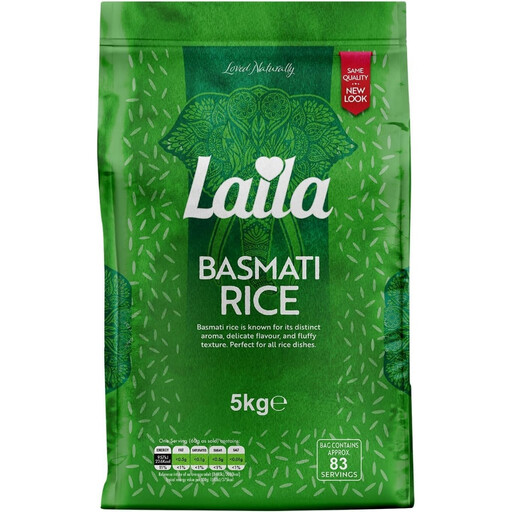
Why This Fits Their Persona: For a family that enjoys curries, stir-fries and other rice-based meals several times a week, a 5kg basmati rice bag offers the ideal blend of quality and value. It ensures there is always a reliable staple in the pantry.
This avoids the trap of overpaying for small, branded 1kg bags. Buying in a larger format from a reputable brand like Laila provides consistent grain quality and a much better cost-per-kilo, saving money in the long run.
Excellent value for money. The pure basmati grains are known for their delicate flavour and fluffy texture, making them a versatile choice for a wide variety of everyday dishes.

Why This Fits Their Persona: This cook takes pride in making authentic, complex dishes like biryani, jollof or pilau. They need a grain that can withstand layering and slow cooking without turning to mush, where every grain must be separate and defined.
It directly solves the "extra long grain illusion." The parboiling process of golden sella basmati rice makes the grains robust and non-sticky, providing a foolproof way to achieve the perfect texture for elaborate rice dishes.
Extremely resilient and non-sticky texture. The extra long grain rice cooks up light and separate, making it the ideal choice for layered and one-pot rice dishes.
We have compiled a complete, real-time list of products that fully satisfy these strict selection criteria and UK safety regulations.
To protect your investment in a 5kg or 10kg bag, storage is crucial. Once opened, transfer the rice from its original sack into a large, food-safe, airtight container. Store it in a cool, dark and dry place like a pantry or cupboard. This prevents moisture and pests from getting in and preserves the delicate aroma of the grains for much longer.
Wholegrain basmati rice, often sold as brown basmati rice, retains its bran layer. This means it contains more dietary fibre, B vitamins and minerals than its white counterpart. The higher fibre content can help with digestion and leads to a slower release of energy. While both can be part of a healthy diet, the wholegrain version offers a more robust nutritional profile.
Yes, rinsing is a non-negotiable step for achieving fluffy basmati. The process removes excess surface starch, which is the main culprit behind sticky or clumpy rice. Simply place your desired amount of rice in a bowl, cover with cold water, swirl, and drain. Repeat this process until the water runs mostly clear. It is a small step that makes a huge difference to the final result.