
24/7 全天候客户支持

免费退货

当日/次日达

品质保障

开启新人专享福利: 全场免邮 | 低至 2 折 | 免费试用 30 天 JoyPlus 会员
下载 Joybuy
As a Joybuy Product Recommendation Officer, I often see people making the same simple, yet costly, mistakes when they buy batteries online. A battery isn't just a battery; choosing the wrong one can mean wasting money, poor device performance or even damaging your valuable electronics. Before you click 'add to basket', let's look at the common pitfalls to avoid.
To make a smart purchase, you only need to focus on a few core parameters. Getting these right ensures you get the performance and value you expect.
This is the single most important factor. The chemistry dictates a battery's ideal use case.
This seems obvious, but it's easy to get wrong. Always double-check the code required by your device. The most common are AA batteries and AAA batteries, but many modern electronics use specific coin cells (CR2032, CR2025, CR2450) or specialty types like the 9V battery. The code is usually printed on the old battery or inside the device's battery compartment.
A long storage life means the battery retains its charge while stored, ensuring it's ready when you need it. This is vital for emergency items like torches and for anyone buying in bulk. Equally important is leak protection. Reputable brands invest in better seals and construction to prevent leakage, safeguarding your devices.
Here are a few options that align with specific user needs, helping you sidestep the common traps.
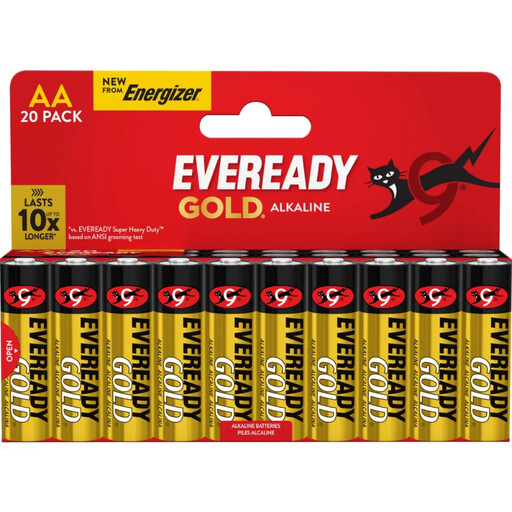
Why This Fits Their Persona: This is for the UK family that needs a reliable supply of AA batteries for TV remotes, clocks and children's toys without overspending. It's a practical, no-fuss solution for low-drain devices.
It sidesteps the "false economy" trap by offering the reliability of the Energizer brand at a value price point, reducing the risk of leaks associated with unknown brands.
A 10-year shelf life ensures the batteries in this bulk pack will be ready when you need them. It's quality-sealed for dependable performance in everyday devices.
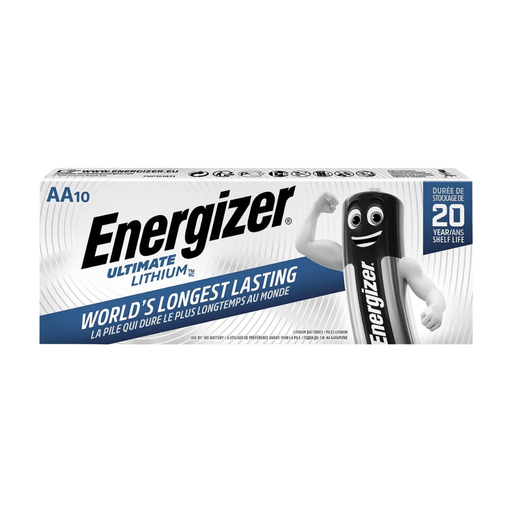
Why This Fits Their Persona: For the serious gamer, photographer or tech user, performance is non-negotiable. These lithium batteries are designed specifically for high-drain devices, providing consistent power without interruption.
This directly counters the "one-size-fits-all" myth. By choosing a lithium battery, you are matching the chemistry to the high-power demands of your device, avoiding the poor performance of alkaline in this context.
Features an exceptionally long 25-year storage life and reliable performance in extreme temperatures (-40°C to 60°C). They are also significantly lighter than alkaline batteries.
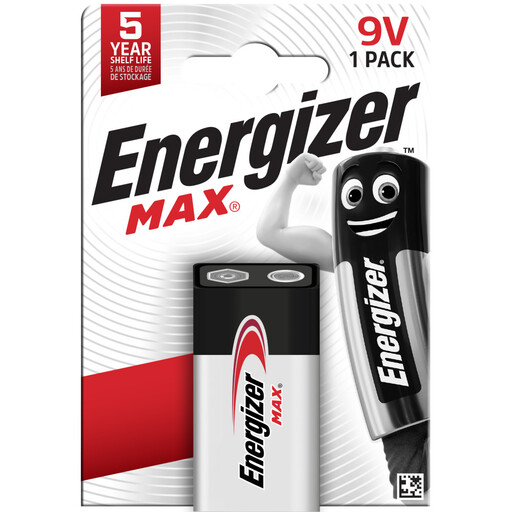
Why This Fits Their Persona: When it comes to home safety devices like smoke and carbon monoxide alarms, reliability is paramount. This user needs a battery they can install with confidence and trust to work for a long time.
This choice prioritises safety over minimal cost. Using a trusted brand with built-in leak protection for a critical device like a smoke alarm is a smart investment in home safety.
Engineered with PowerSeal Technology to protect against leaks and holds power for up to 5 years in storage, ensuring it's ready for this essential, low-drain, long-term application.
We have compiled a complete, real-time list of products that fully satisfy these strict selection criteria and UK safety regulations.
The main difference is in their intended use. Alkaline batteries are best for low-drain devices like remote controls and clocks. Lithium batteries contain more energy and can deliver it faster, making them the superior choice for high-drain devices like digital cameras, gaming controllers and security equipment. While they have a higher upfront cost, their longer life in these devices often makes them better value in the long run.
Yes, it is safe and can be very cost-effective, provided you buy from a reputable seller and choose a brand with a long storage life. Check the product details for the "shelf life" or "storage guarantee," which is often 10 years or more for quality alkaline and lithium cells. This ensures your bulk purchase won't expire before you have a chance to use them.
The most reliable way is to check the device itself. Open the battery compartment and look for markings that indicate the size (e.g., AA, AAA, 9V). For coin batteries, the code (e.g., CR2032) is always printed on the battery's surface. If you no longer have the old battery, consult the device's user manual, which will always specify the correct type.