
24/7 Customer Support

Free returns

Same-day & Next-day Delivery

Quality Guaranteed

Unlock Your Welcome Offers: FREE Delivery | Up to 80% OFF | Free 30-day JoyPlus trial
Download the APP
Buying pantry staples online should make meal planning easier, but product pages can make comparisons surprisingly difficult. A 400g can may show a net weight that differs from its drained weight, while a large dried pack may look inexpensive until you account for soaking, cooking time and storage.
Whether you are stocking up on vegan pantry staples, preparing vegetarian meals or looking for affordable ingredients for Indian, Asian, Mediterranean and Mexican recipes, these checks can help you buy beans, chickpeas and lentils online that UK households can use with confidence.
A can labelled 400g includes the liquid as well as the food. The drained weight may be considerably lower, so compare like with like when checking value. Canned chickpeas, red kidney beans and cannellini beans should be assessed by drained weight, serving information and ingredient list rather than the large number on the front of the label.
Dried chickpeas, chana dal, adzuki beans and mung beans usually require rinsing and, depending on the product, soaking before cooking. This can be economical for regular home cooks, but it is less convenient for a midweek meal. Check the stated preparation method and cooking time before choosing bulk beans and lentils.
Beans and lentils are commonly used as high-fibre foods and sources of plant-based protein, but nutritional values vary by product and whether the figures apply to dry or drained food. Check the nutrition table per 100g, salt content, ingredients and allergen advice. For UK shoppers, packaging information should take priority because formulations and labelling can change.
Canned products are pre-cooked and convenient for quick lunches, salads, chilli, soups and curries. Drain and rinse them according to the product instructions, particularly if you want to reduce some of the brine in the dish. Once opened, transfer unused contents to a non-metallic container, refrigerate and follow the stated consumption period.
Dried products generally offer more control over texture and are useful for batch cooking. Store opened packs in an airtight container in a cool, dry place. Rinse carefully, inspect for stones or other natural matter where the label advises this and cook thoroughly. Some dried beans must not be eaten raw or undercooked.
A small can may suit occasional cooking, while an eight-pack or 12-pack can make sense for households using beans every week. Large dried packs such as 2kg or 5kg may lower the cost per 100g, but only if you have suitable airtight storage and a regular meal plan.
Also check whether the product is labelled suitable for vegans or vegetarians, and read the allergen statement. Several listings advise possible cross-contact with cereals containing gluten, celery, sulphites or other ingredients. Do not rely only on a product title when managing an allergy.
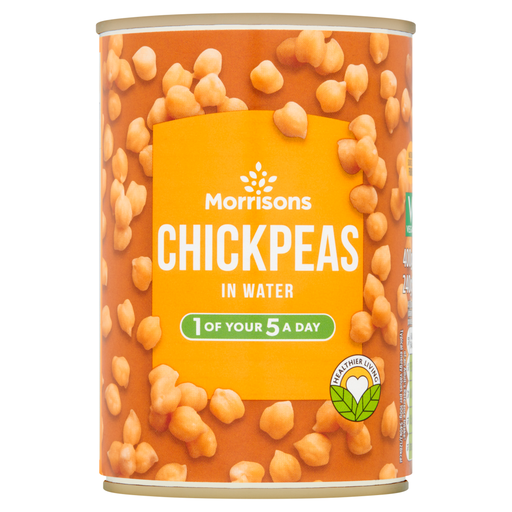
Why This Fits Their Persona: A single 400g can is a manageable starting point for UK households trying hummus, salads, curries or roasted chickpeas without committing to a bulk pack.
The listing provides drained nutrition figures, ingredients and storage guidance, helping you assess the actual food rather than only the can size.
Ready to use, suitable for vegans and vegetarians, with two stated portions per 400g can.
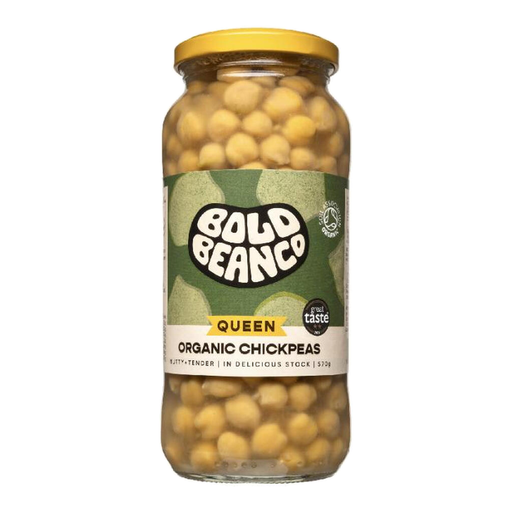
Why This Fits Their Persona: This jar contains organic chickpeas with a stated 400g drained weight, making it suitable for cooks who prioritise texture and ready-to-serve convenience.
The drained weight is stated clearly, so the larger jar size is not mistaken for the amount of chickpeas available to eat.
Organic heirloom chickpeas; the bean stock can be used in hummus, sauces and stews.
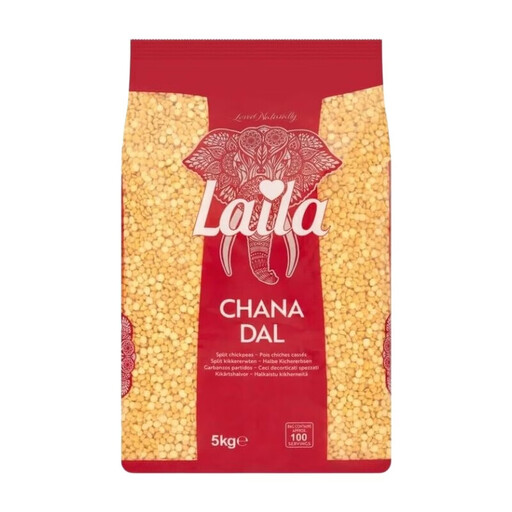
Why This Fits Their Persona: A 5kg pack is suited to frequent dal, curry and meal-preparation routines, particularly for larger households or cooks who regularly use vegetarian ingredients.
The product is identified as split chickpeas rather than whole chickpeas, so shoppers can match it accurately to dal-style recipes and cooking plans.
100% split chickpeas listed; the pack provides a large supply for batch cooking and everyday use.
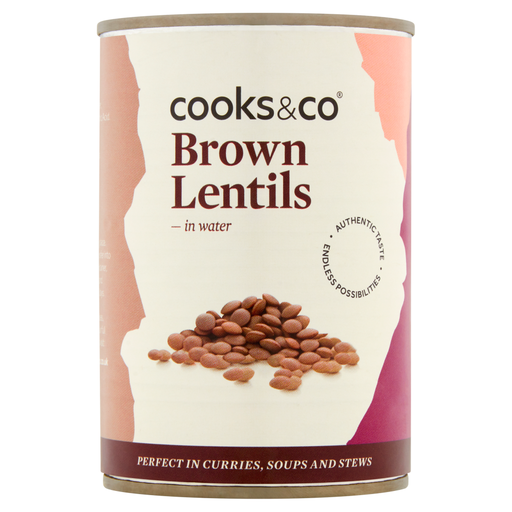
Why This Fits Their Persona: Pre-cooked brown lentils can be added to salads, casseroles, soups and cottage-pie fillings when there is little time for soaking or simmering.
It is clearly described as pre-cooked, removing the preparation uncertainty associated with dried brown lentils.
Ready to add to recipes; contains no artificial preservatives according to the product description.
We have compiled a complete, real-time list of products that fully satisfy these strict selection criteria and UK safety regulations.
Dried products can offer a lower cost per uncooked weight, especially in bulk packs, but compare the final usable quantity and include preparation time. Canned products may provide better practical value when convenience and reduced food waste matter.
Most canned chickpeas are already cooked and can be used cold after draining and rinsing, subject to the label instructions. Heat them thoroughly when adding them to a hot recipe.
This depends on the product. Many listings advise transferring opened contents to a non-metallic container, refrigerating them and consuming them within two to three days. Always follow the specific storage guidance printed on the product page or packaging.