
24/7 Customer Support

Free returns

Same-day & Next-day Delivery

Quality Guaranteed

Unlock Your Welcome Offers: FREE Delivery | Up to 80% OFF | Free 30-day JoyPlus trial
Download the APP
Buying pulses online can make weekly shopping simpler, particularly for UK households cooking vegetarian, vegan, Indian, Mexican, Asian or Italian meals. However, attractive packaging and broad nutrition claims do not always tell you what matters most: whether the product is ready to eat, how much usable food is in the pack, its salt content and how much preparation it requires.
This guide explains what to check before you buy beans and lentils online in the UK, followed by Our Top Recommendations for 2026 for different household needs.
A 400g tin does not necessarily contain 400g of beans. Water, salt and other liquid contribute to the stated net quantity. For example, Morrisons Organic Red Kidney Beans are listed at 400g with a 255g drained weight. This is the figure worth comparing when calculating value for money.
Dried pulses work differently. A 500g bag of red split lentils expands during cooking, while tinned beans are already hydrated. Compare products according to how you intend to use them rather than comparing pack weights alone.
Beans and lentils can be useful high-fibre pulses and sources of plant-based protein, but recipes and preservation liquids vary. Some tinned red kidney beans contain only beans and water, while others include salt, sugar, firming agents or acidity regulators.
Seasoned cowpeas and Chinese pickled vegetables are different from plain pulses. They may contain chilli oil, flavour enhancers and considerably more salt, so they are better treated as a condiment or side dish rather than the main protein component of a meal.
Tinned beans are generally cooked and ready to heat, whereas dried beans need washing, soaking where appropriate and thorough cooking. Red split lentils usually need rinsing and simmering, but do not normally require soaking.
Check the label before ordering if you need a quick weekday ingredient. A low-priced dried product may offer more portions, but a ready-to-eat tin can reduce cooking time, washing-up and planning.
For a small household, 400g tins and 500g lentil bags are practical starting points. Larger packs, such as 1kg dried red beans, may offer better cost per portion for batch cooking, but only if you have suitable airtight storage and use them before quality declines.
For ready-to-eat side dishes, pack sizes range from small 80g or 106g pouches to 330g or 350g packs. Check whether the product is intended as a side dish, snack or cooking ingredient.
If you are shopping for vegetarian and vegan ingredients, look for a short ingredient list and a clearly stated suitability claim. Plain products such as red split lentils may contain only lentils. Seasoned cowpeas can include soya, cooking wine, chilli, sweeteners or several food additives.
Always read the latest packaging, particularly if you have an allergy. Product formulations and labels can change. Legumes themselves should also be considered when checking allergen information.
Tinned products should be stored in a cool, dry place before opening. Once opened, transfer leftovers to a suitable container, refrigerate and follow the label’s recommended time—commonly two to three days.
Dried red lentils should be rinsed, cooked in fresh water or stock and simmered until soft. Dried beans require more attention: follow the packet instructions and cook them thoroughly before eating. Do not eat raw or undercooked dried beans.
Organic status should be confirmed through the product label and certification information rather than assumed from terms such as “natural”. For example, Morrisons Organic Red Kidney Beans and Biona Organic Red Split Lentils are specifically presented as organic products in their listed details.
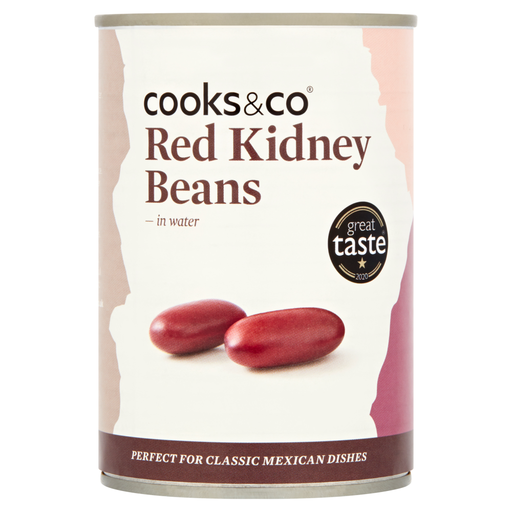
Why This Fits Their Persona: A straightforward tinned option for first-time pulse shoppers, family chilli, fajitas, stews and Indian dishes.
The beans are rehydrated and require no soaking or boiling before use, making the preparation requirement clear.
400g ambient tin; listed as suitable for vegans and vegetarians; beans and water are the stated core ingredients.
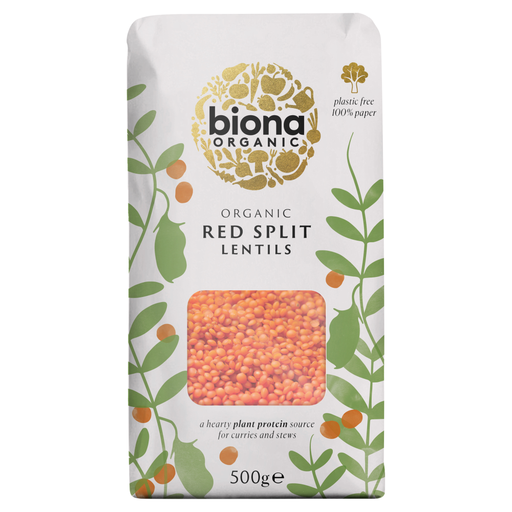
Why This Fits Their Persona: Suits shoppers seeking an organic, dry ingredient for soups, curries and stews.
The listing identifies the lentils as a certified organic ingredient rather than relying only on general natural-food wording.
500g pack; listed as containing no allergens; paper packaging is described as recyclable.
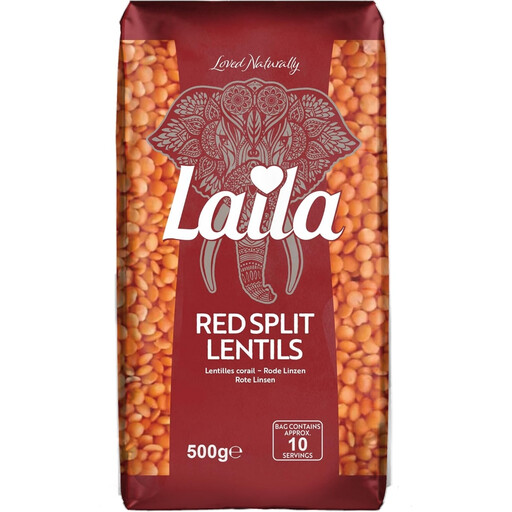
Why This Fits Their Persona: A useful dry staple for cooks making regular dals, curries and batch meals.
The product instructions specify rinsing and simmering for around 15–20 minutes, with no soaking required.
Single-ingredient 500g pack; listed nutrition per 100g dry includes 26g protein and 26g dietary fibre.
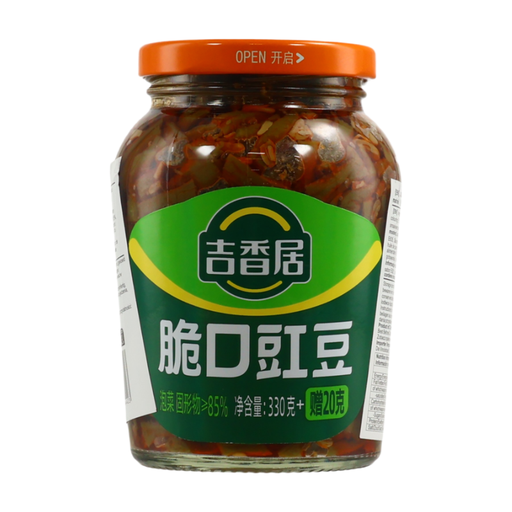
Why This Fits Their Persona: Suitable for shoppers wanting a ready-to-eat Chinese pickled vegetable side dish with rice, porridge or noodles.
It is clearly labelled ready to eat, while the stated 6.1g salt per 100g helps buyers assess it as a seasoned side rather than plain beans.
350g net weight; 85% long beans listed; can be served directly or added to stir-fries and cold dishes.
If you prefer organic red kidney beans, compare Morrisons Organic Red Kidney Beans 400g and Mr Organic Organic Red Kidney Beans 400g. For plain tinned red kidney beans, Napolina Red Kidney Beans in Water 400g, Laila Canned Red Kidney Beans 400g, KTC Red Kidney Beans 400G and KTC Rosecoco Borlotti Beans 400G offer different ingredient lists and nutrition figures.
For larger dry-pulse quantities, consider HEYU Red Beans 1kg. If you want a smaller red lentil pack, Morrisons Red Split Lentils 500g is another option. Seasoned side-dish shoppers can also compare Ji Xiang Ju Crispy Cowpeas 106g, Chuannan Appetizing Cowpeas 330g and Ji Xiang Ju Red Oil Cowpeas 80g. Check salt, chilli, soya and storage instructions before selecting.
We have compiled a complete, real-time list of products that fully satisfy these strict selection criteria and UK safety regulations.
Dried beans and lentils can provide a lower cost per cooked portion, especially in larger packs. Tinned beans cost more per usable gram but save soaking and cooking time. Compare drained weight, serving size and cooking fuel rather than the shelf price alone.
Most red split lentils do not require soaking. Rinse them, add fresh water or stock and simmer according to the packet instructions. They soften relatively quickly, making them suitable for weekday dal, soup and stew recipes.
Follow the individual label. Many products advise transferring leftovers to a non-metallic container, refrigerating them and using them within two days; some specify up to three days. Do not store opened food in the tin unless the packaging specifically permits it.