
24/7 Customer Support

Free returns

Same-day & Next-day Delivery

Quality Guaranteed

Unlock Your Welcome Offers: FREE Delivery | Up to 80% OFF | Free 30-day JoyPlus trial
Download the APP
Whether you are preparing a weekday curry, batch-cooking soup or looking for reliable plant-based protein, it is now straightforward to buy beans and lentils online in the UK. The wider choice is useful, but product descriptions can make similar-looking packs difficult to compare.
The important differences are usually practical rather than flashy: canned or dried format, drained weight, cooking time, pack size, ingredients, allergens and storage requirements. This guide explains what to check before ordering, with suitable options for different cooking habits.
A 400g can does not contain 400g of beans. Water and salt contribute to the total weight, while the drained weight is the amount available for your recipe. For example, Morrisons Organic Butter Beans In Water 400g lists a 240g drained weight.
Dried beans and lentils are different again. They require preparation but absorb water during cooking, so a smaller-looking dry pack may provide several meals. Compare the price per 100g of usable food, not just the front-of-pack weight.
Canned beans are generally convenient because they are already cooked. They can be drained, rinsed and added to stews, salads or chilli. However, they may contain salt, and the texture can be softer than dried beans.
Dried beans, including some kidney beans, mung beans and adzuki beans, require soaking and thorough cooking. Do not eat them raw or undercooked. Follow the pack instructions and check the label, particularly when preparing food for children or larger groups.
An ambient can may be easy to store in a cupboard, while frozen peas or frozen pigeon peas require sufficient freezer space. Once opened, canned products should usually be transferred to a suitable container, refrigerated and consumed within the timeframe on the label.
Single-ingredient products can still carry “may contain” allergen warnings because of shared processing facilities. Laila Brown Lentils 2Kg, for example, states that it contains gluten, while KTC White Kidney Beans notes possible celery and sulphite cross-contact. Always check the current packaging before purchase.
For vegetarian and vegan cooking, look for short ingredient lists where possible. KTC Butter Beans lists butter beans, water and salt, while Cooks & Co Red Kidney Beans lists red kidney beans and water. These can be useful staples for beans for curries and soups, salads and grain bowls.
“Suitable for vegetarians” or “suitable for vegans” should be checked on the product label rather than assumed. Also review allergen statements if you have a diagnosed allergy or are cooking for someone who does.
Nutritional figures are only useful when you compare like with like. Dried products are often labelled per 100g of uncooked food, while canned products typically show values per 100g drained. These figures should not be treated as directly equivalent.
As examples, KTC White Kidney Beans provides, per 100g drained, 6.9g protein and 8.0g fibre. Morrisons Red Split Lentils lists 7.4g protein and 6.1g fibre per 100g as consumed. The exact values vary by product, recipe and serving size.
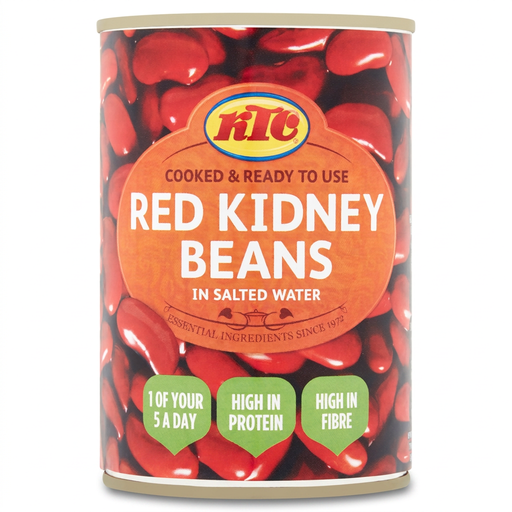
Why This Fits Their Persona: A straightforward cupboard staple for first-time buyers making chilli, fajitas, soups or Indian dishes without soaking dried beans.
It is labelled cooked and ready to use, so there is no need to budget for soaking time or additional cooking of dried beans.
400g can; suitable for vegetarians; 4.3g fibre and 4.6g protein per 100g drained, according to the supplied product information.
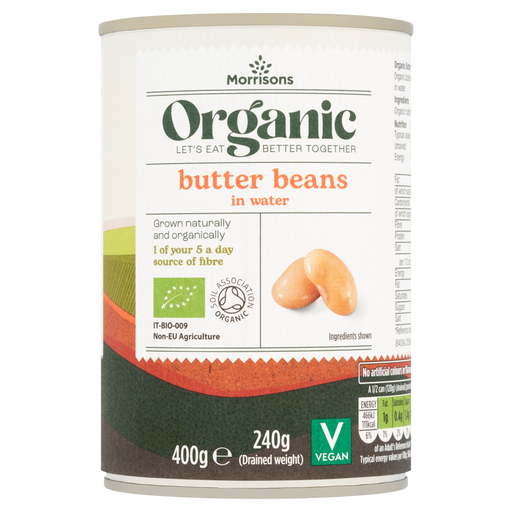
Why This Fits Their Persona: A practical choice for shoppers who prioritise an organic option and a simple ingredient list for salads, dips and creamy stews.
The listing identifies organic butter beans, water and a 240g drained weight, making the contents easier to assess before ordering.
Organic ingredient; no listed artificial colours, flavours or preservatives; suitable for vegan and vegetarian diets according to the supplied details.
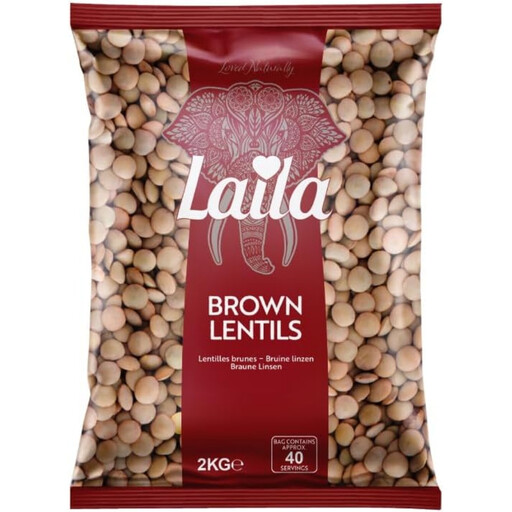
Why This Fits Their Persona: The larger pack suits families, meal preppers, vegetarian households and professional kitchens making regular dals, curries, soups or grain bowls.
The 2kg quantity makes it easier to calculate meal-prep costs, while the label clearly states that the lentils are dried and require cooking.
100% brown lentils; stated cooking time of around 30–40 minutes after preparation; 25g protein per 100g dry, according to the supplied information.
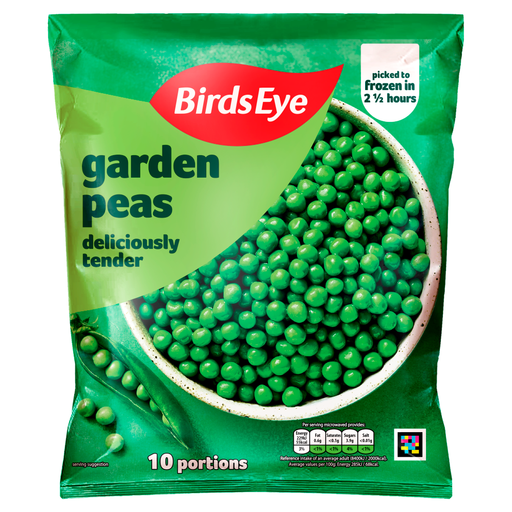
Why This Fits Their Persona: A freezer-friendly option for families needing a quick side dish, soup ingredient or addition to rice and pasta meals.
The instructions specify cooking straight from frozen, helping avoid unnecessary defrosting and repeated handling.
800g pack; garden peas listed as the sole ingredient; microwave and hob instructions are provided.
We have compiled a complete, real-time list of products that fully satisfy these strict selection criteria and UK safety regulations.
The answer depends on the price, drained weight and how much preparation you value. Dried beans often provide more servings per pack but use cooking time and energy. Canned beans may cost more per usable gram but are ready for immediate use. Compare the unit price and drained weight before ordering.
Keep unopened dried products in a cool, dry, well-ventilated cupboard, away from moisture and pests. After opening, use an airtight container. Sort and rinse natural pulses before cooking, as the packaging may warn of occasional stones or other agricultural matter.
For salads, chilli and stews, borlotti beans, butter beans or white kidney beans can often provide a similar substantial texture, although flavour and firmness differ. For a recipe requiring a particular regional ingredient, such as pigeon peas in tuvar dal, use the named pulse where possible and adjust cooking instructions to the product label.