
24/7 Customer Support

Free returns

Same-day & Next-day Delivery

Quality Guaranteed

Unlock Your Welcome Offers: FREE Delivery | Up to 80% OFF | Free 30-day JoyPlus trial
Download the APP
Navigating the online aisles for beans and soy products can feel overwhelming. Shelves are packed with items promising health benefits and convenience, but not all deliver on their claims. As a health-conscious shopper in the UK, you want nutritious, high-quality pantry staples, but it's easy to fall into common purchasing traps. Many products hide high levels of sugar and salt behind "healthy" branding, while others carry a premium price for "convenience" that doesn't always justify the cost.
This guide is designed to help you see past the marketing jargon. We will break down the essential factors to consider, ensuring you can confidently stock your pantry with versatile, plant-based protein foods that genuinely fit your lifestyle and dietary goals, from quick vegan meal ingredients to authentic additions for your home cooking.
Before adding items to your basket, be aware of these common issues that can lead to buyer's remorse:
baked beans online contain more sugar per serving than you might expect, undermining their nutritional value.organic kidney beans or soy products can still be packed in sauces with fillers or sweeteners, diminishing the core benefit of choosing organic in the first place.healthy pantry staples should have short, understandable ingredient lists, giving you clarity and control over your diet.To make informed choices, focus on these three non-negotiable parameters. They provide a clear framework for assessing any bean or soy product.
Look beyond the front-of-pack claims and go straight to the "per 100g" column on the nutritional table. This allows for a fair comparison between products.
low sugar beans, this is your key indicator. For soy milk, unsweetened versions are preferable.plant-based protein foods. A high protein content (typically over 5g per 100g for beans and over 3g per 100ml for soy milk) and high fibre content (over 6g per 100g) indicate a more satiating and nutritionally dense product.The shorter and more recognisable the ingredient list, the better.
soybean paste or tofu, many consumers prefer items made from non-GMO soybeans. This is usually stated clearly on the packaging or ingredient list.Beans and soy come in various forms, each suited to different purposes.
Canned beans UK shoppers value convenience, as they are pre-cooked and ready to use. Dried beans are more economical and allow you to control the texture and salt content, but require soaking and cooking.soybean paste or fermented tofu is a foundational ingredient for cooking from scratch.Here are a few products that align with our selection criteria, matched to different shopper profiles.
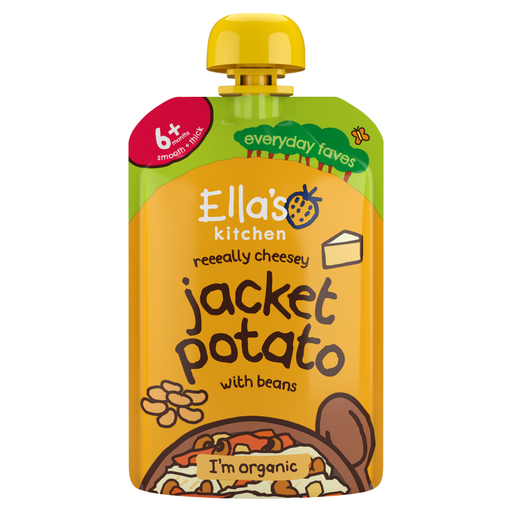
Why This Fits Their Persona: This is an ideal choice for parents introducing solids. It provides a balanced, vegetarian meal with a smooth texture suitable for babies from 6 months, taking the guesswork out of preparing nutritious food.
It directly counters the hidden sugar and salt trap. The ingredient list explicitly states no added sugar or salt, with only naturally occurring amounts present. It is also 100% organic.
The convenient, resealable pouch is perfect for on-the-go feeding. The ingredients are simple, organic and recognisable.
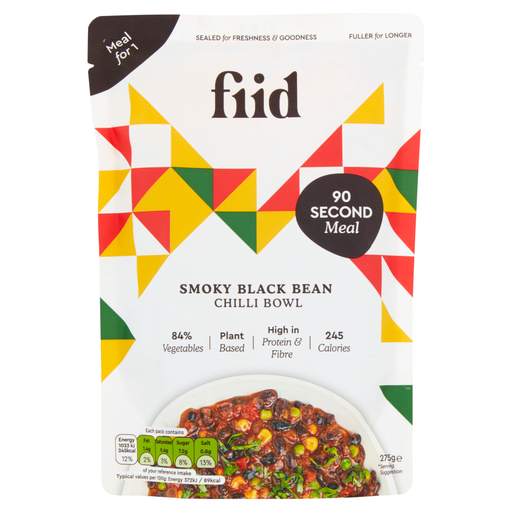
Why This Fits Their Persona: For those short on time but unwilling to compromise on a nutritious meal, this ready-to-eat chilli is a perfect solution. It's a complete, plant-based meal that can be heated in minutes for a satisfying lunch or dinner.
It avoids the vague ingredients trap. The list is composed of recognisable whole foods like black beans (37%), tomatoes, onions and peppers. The sugar (2.6g/100g) and salt (0.29g/100g) levels are low.
This is a high-fibre, high-protein meal that requires no preparation. It's a genuinely healthy and convenient option for a quick meal.
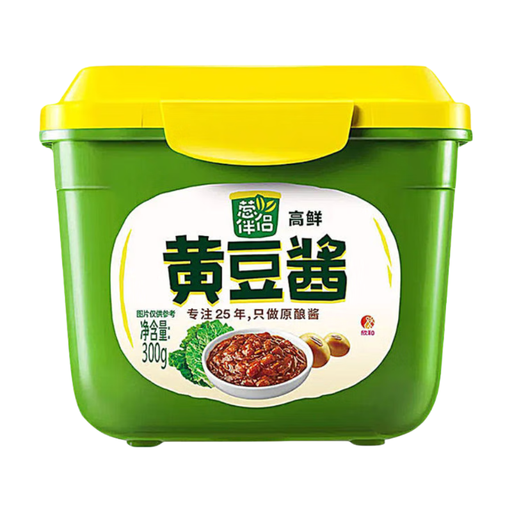
Why This Fits Their Persona: For the home cook looking to replicate authentic East Asian flavours, this soybean paste is an essential pantry item. It's a versatile base for sauces, marinades and stir-fries, offering a depth of flavour that simpler seasonings cannot match.
This product avoids the trap of bland, westernised alternatives. Its quality is indicated by the amino acid nitrogen content (≥0.50g/100g), a marker of a rich, savoury and authentic fermentation process.
Made with non-GMO soybeans, it provides a genuine umami flavour. It is ready to use as a dipping sauce or as a core component in complex dishes.
We have compiled a complete, real-time list of products that fully satisfy these strict selection criteria and UK safety regulations.
Yes, for the most part. Canned beans retain most of their fibre and protein content. The main difference is that canned varieties often have added salt. To mitigate this, you can either buy no-salt-added versions or rinse the beans thoroughly under cold water before use, which can wash away up to 40% of the sodium. Dried beans give you full control over the salt content but require more preparation time.
When searching for low sugar beans, always check the "of which sugars" value in the nutritional information per 100g. A good benchmark for a low-sugar option is under 5g per 100g. Brands like Branston and Heinz offer "reduced sugar" or "no added sugar" versions. These often use sweeteners like steviol glycosides instead of sucrose, which is a suitable alternative for those monitoring their sugar intake.
Both fermented tofu and soybean paste are preserved products, but they require proper storage after opening to maintain their quality. Once the seal is broken, they should be kept in the refrigerator. For soybean paste, ensure the surface is smooth to minimise air exposure and always use a clean, dry spoon to scoop it out. Fermented tofu should be kept in its original brine in a sealed container. Stored correctly, they can last for several months in the fridge.