
24/7 Customer Support

Free returns

Same-day & Next-day Delivery

Quality Guaranteed

Unlock Your Welcome Offers: FREE Delivery | Up to 80% OFF | Free 30-day JoyPlus trial
Download the APP
From hearty stews to vibrant salads, beans and pulses are the unsung heroes of the British pantry. They are affordable, packed with nutrients and incredibly versatile. However, when you decide to buy beans and pulses online in the UK, the sheer variety can be overwhelming. It's easy to fall into common traps, such as paying a premium for fancy packaging that adds no value or buying the wrong type of bean for your recipe.
As the Joybuy Product Recommendation Officer, my role is to help you navigate these choices. This guide will break down the essential factors to consider, ensuring you stock your cupboards with quality ingredients that suit your cooking style and budget, without the marketing fluff.
To make an informed choice, focus on these three practical parameters. They will help you select the right product for your needs every time.
The format you choose has the biggest impact on convenience and cost.
Different beans serve different purposes. Matching the bean to your dish is crucial for authentic flavour and texture.
Consider how often you use beans and pulses. A 400g pack might be perfect for trying a new recipe, but if chickpeas are a weekly staple for your homemade hummus, a 2kg bag or a multi-pack of tins offers far better value and ensures you're never caught short.
Based on a practical analysis of format, culinary use and value, here are some recommendations tailored to different UK home cooks.
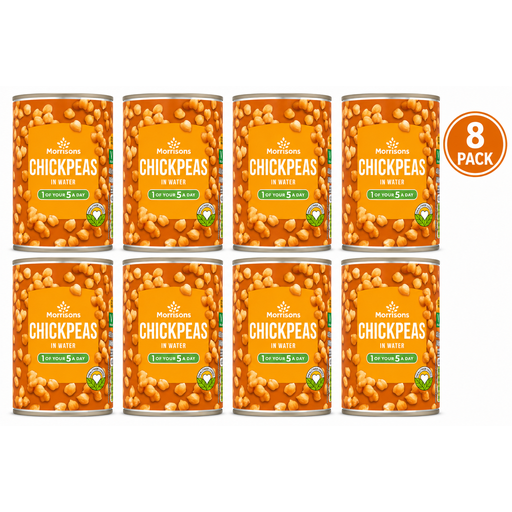
Why This Fits Their Persona: Perfect for busy individuals or families who need quick and healthy meal components. These tinned chickpeas eliminate the need for soaking and long cooking times, making them ideal for last-minute curries, salads or homemade hummus.
This product directly solves the format dilemma. By choosing a ready-to-use tinned option, you get consistency and convenience without the prep time associated with dried beans.
Pre-cooked and ready to use straight from the can. Packed in water with no artificial colours or flavours and a half-can serving counts as one of your 5 a day.
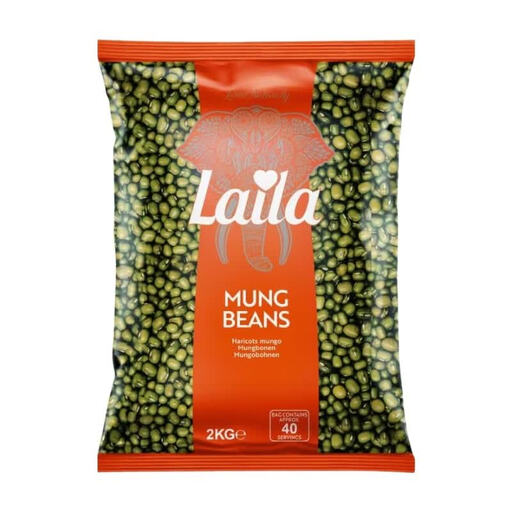
Why This Fits Their Persona: For the home cook who uses pulses regularly and wants maximum value. A 2kg bag of dried mung beans provides a long-lasting supply for countless meals, from daal to soups, at a fraction of the cost per gram compared to smaller packs.
This bulk pack sidesteps the "exotic" price trap. It prioritises quantity and quality over fancy marketing, delivering a staple ingredient in an economical format.
Excellent cost-effectiveness for frequent use. These versatile mung beans are a great source of protein and fibre, suitable for a wide range of South Asian and Chinese dishes.
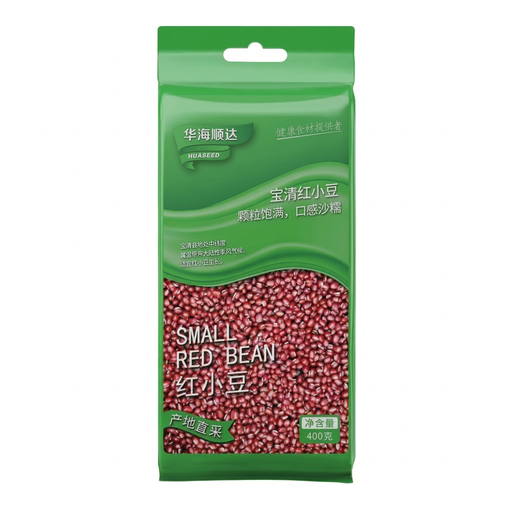
Why This Fits Their Persona: For those looking to create authentic East Asian desserts, having the correct bean is non-negotiable. These are adzuki beans, specifically selected for their smooth texture and naturally sweet flavour, essential for making red bean paste, soups and fillings.
This product prevents the common pitfall of mistaking lookalikes. By clearly identifying these as adzuki beans, it ensures you get the right ingredient for sweet applications, avoiding the savoury profile of a kidney bean.
These are premium adzuki beans with plump grains and a smooth texture. They are ideal for traditional desserts and provide a rich source of plant protein and dietary fibre.
We have compiled a complete, real-time list of products that fully satisfy these strict selection criteria and UK safety regulations.
Soaking is highly recommended for most dried beans (like chickpeas, black beans and soya beans). It significantly reduces cooking time and can make the beans easier to digest. A quick-soak method involves covering the beans with water, bringing them to a boil for one minute, then removing from the heat and letting them stand for an hour. However, smaller pulses like lentils and split peas do not require soaking.
When stored correctly in an airtight container in a cool, dark and dry place, opened dried beans can maintain their quality for at least one year. While they remain safe to eat for much longer, they may become tougher and require a longer cooking time as they age.
Both tinned and dried beans are excellent nutritional choices. The canning process can cause a slight reduction in some water-soluble vitamins, but the overall protein, fibre and mineral content remains largely intact. The main nutritional difference can be the sodium content in tinned beans, but this can be minimised by choosing low-sodium versions or rinsing the beans thoroughly before use.