
24/7 Customer Support

Free returns

Same-day & Next-day Delivery

Quality Guaranteed

Unlock Your Welcome Offers: FREE Delivery | Up to 80% OFF | Free 30-day JoyPlus trial
Download the APP
Buying beef online can make meal planning easier, particularly when you need Korean BBQ beef, hotpot slices or a large cut for Sunday cooking. However, product photographs and descriptions do not always tell you whether a cut matches your recipe, how much usable meat you will receive or how long it needs to cook.
This guide explains what to check before you buy beef cuts online in the UK, with practical recommendations for hotpot, grilling, braising and slow cooking.
A product labelled “beef ribs”, “beef flank” or “beef shank” is not automatically suitable for quick frying. The location and structure of the muscle matter.
Cuts containing connective tissue, such as beef shank, beef shin, brisket and flank, generally need longer cooking. Thinly sliced versions may be designed for hotpot, but a whole piece or thick chunk can remain firm if cooked briefly.
Likewise, flanken-cut beef short ribs are sliced across the bone and are suitable for rapid grilling or pan-searing, while thick boneless short ribs are more appropriate for braising.
A 700g bone-in pack does not provide the same amount of edible meat as 700g of boneless beef. Thin hotpot slices may also cook quickly but offer fewer portions per pack than a 1kg diced or whole cut.
Before ordering, compare:
Terms such as “premium”, “tender” or “restaurant-style” are not substitutes for cut information. Look for objective details such as BMS rating, slice thickness, marbling description, pack size and recommended cooking method.
For frozen beef online, also check the storage instructions and defrosting guidance. Products supplied frozen should generally be kept at -18°C or below, with the packaging instructions taking priority.
For quick cooking, thinly sliced cuts are usually more practical. Hotpot beef slices, beef flank hotpot slices and short rib slices can be swirled in simmering broth for a short time, according to the product instructions.
Flanken-cut ribs are cut across the bone, exposing small bone sections and shortening the muscle fibres. They are commonly used for Korean Galbi, Korean BBQ beef and fast grilling. By contrast, a whole beef brisket or beef shank needs low, moist heat to soften connective tissue.
Fat contributes flavour and moisture, but the suitable amount depends on the dish. Beef belly slices contain pronounced layers of fat and lean meat, making them suitable for hotpot, shabu shabu and quick pan-searing.
Short ribs and rib fingers can contain more marbling than leaner cuts. For stews, a moderate amount of fat can enrich the cooking liquid, while shoppers seeking a lighter result may prefer a leaner brisket flat or trimmed diced beef.
Choose smaller 150g–250g packs when trying a new cut or preparing a meal for one or two people. Larger 500g–1kg packs can be more practical for families, batch cooking and professional kitchens.
Keep frozen meat frozen until needed. Defrost unopened packs in the refrigerator where possible, use within the time stated on the label and do not refreeze after thawing unless the packaging specifically permits it. All beef requires cooking, so follow the product’s instructions and ensure it is thoroughly cooked before serving.
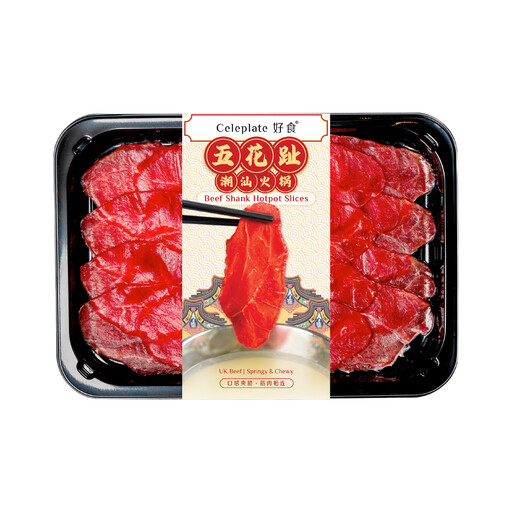
Why This Fits Their Persona: A small pack lets first-time online shoppers try a hotpot cut without committing to a large quantity. The thin slices are designed for sukiyaki, shabu-shabu and spicy broths.
The product is clearly identified as thinly sliced shank for hotpot, rather than leaving shoppers to guess how to prepare a whole leg cut.
150g pack; British beef shank; product guidance recommends dipping slices in simmering broth for 5–10 seconds.
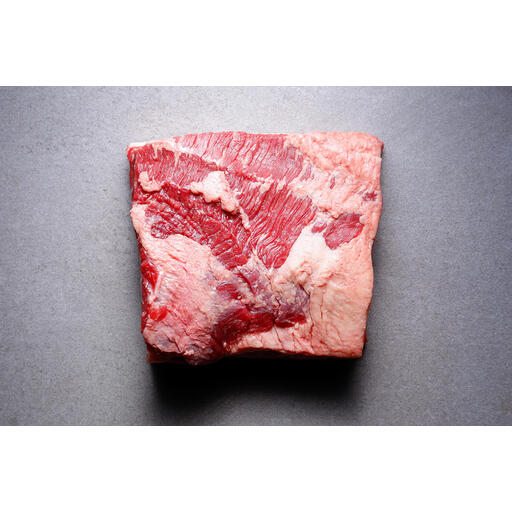
Why This Fits Their Persona: This boneless 1kg brisket flat suits cooks planning a slow roast, smoked brisket, salt beef or a family braise.
The listing specifies a boneless flat cut and identifies it as a long-cooking product, reducing the risk of using brisket as a quick steak.
1kg boneless pack; grass-fed British beef description; suitable for smoking, braising, pot roasting and low-temperature cooking.
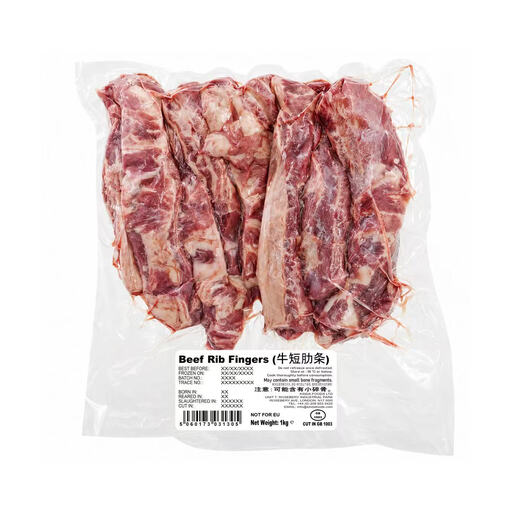
Why This Fits Their Persona: The large boneless pack is practical for households preparing Korean-style BBQ, braises, roasts or several meals from one order.
The listing states that the rib fingers are boneless and gives several appropriate methods, so the purchase is not based only on a marbling claim.
1kg boneless pack; listed as suitable for grilling, roasting, braising and slow cooking; sourced in the United Kingdom.

Why This Fits Their Persona: Thin, cross-cut ribs are suited to Korean Galbi, pan-searing and barbecue meals where rapid cooking and bone-in presentation are preferred.
The flanken-cut format and stated cooking uses distinguish it from thick short ribs that would require extended braising.
225g pack; UK origin and UK butchery information; cross-section bone-in slices for frying and barbecuing.
We have compiled a complete, real-time list of products that fully satisfy these strict selection criteria and UK safety regulations.
Yes, provided it is stored correctly and the product is intended for hotpot use. Thinly sliced beef should be cooked in simmering or boiling broth according to the packet instructions. Keep frozen products at -18°C or below, defrost safely and cook thoroughly.
Beef brisket, beef shank, beef shin, beef flank and diced beef chuck are commonly selected for slow cooking because they contain muscle structure and connective tissue suited to moist heat. Allow sufficient time for the cut to soften and check the product page for specific cooking guidance.