
24/7 Customer Support

Free returns

Same-day & Next-day Delivery

Quality Guaranteed

Unlock Your Welcome Offers: FREE Delivery | Up to 80% OFF | Free 30-day JoyPlus trial
Download the APP
Navigating the world of online butchers and food retailers can feel like a gamble. When you decide to buy beef online in the UK, you are met with a dizzying array of cuts, descriptions and promises. It is easy to end up with a cut that is wrong for your recipe or does not live up to its "premium" label. As a Joybuy Product Recommendation Officer, my role is to help you sidestep these common issues and make informed choices.
Before you add that pack of beef to your basket, let’s look at a few common pitfalls that can lead to disappointment in the kitchen:
To ensure you get the right product for your needs, focus on these core parameters. They are far more telling than any flashy marketing.
Different cuts of beef require different cooking methods. Mismatching them is the quickest way to a disappointing meal.
beef for stewing, these are the names to look for.beef for hot pot night, as they cook in seconds. These cuts are prized for their texture and ability to absorb flavours quickly.Knowing where your beef comes from and how it was raised gives you a much clearer indication of its quality.
British beef online for reasons of traceability and to support local agriculture. Reputable sellers will state the origin clearly on the product page.grass-fed beef UK indicates that the cattle were raised primarily on pasture. This can influence the flavour, often resulting in a more complex, earthy taste compared to grain-fed beef. It also affects the colour and texture of the fat.How the beef is prepared and delivered affects both convenience and quality.
beef delivery UK. It removes air from the packaging, which helps to preserve the freshness, colour and flavour of the meat, whether it is delivered fresh or as frozen beef online.Instead of providing a simple list, we have matched a few noteworthy products to the specific needs of different UK households.
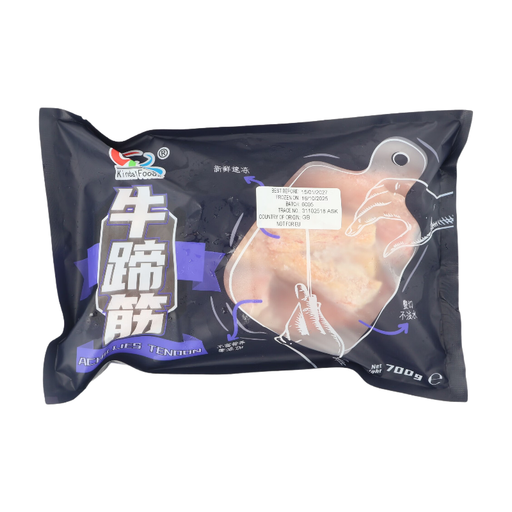
Why This Fits Their Persona: This user wants to create authentic, slow-cooked dishes like Taiwanese beef noodle soup or a rich Cantonese stew. Beef tendon is a specific cut that is essential for achieving the traditional gelatinous texture but is often difficult to find in mainstream UK supermarkets.
It directly counters the "cut confusion" pitfall. The product is clearly and accurately labelled as beef tendon, ensuring the buyer knows they are getting a specific cut intended for slow cooking, not a generic piece of stewing meat.
Rich in collagen, it provides an authentic chewy and gelatinous texture that holds up well in stews and hot pot. It is sourced from the UK, offering clear provenance.
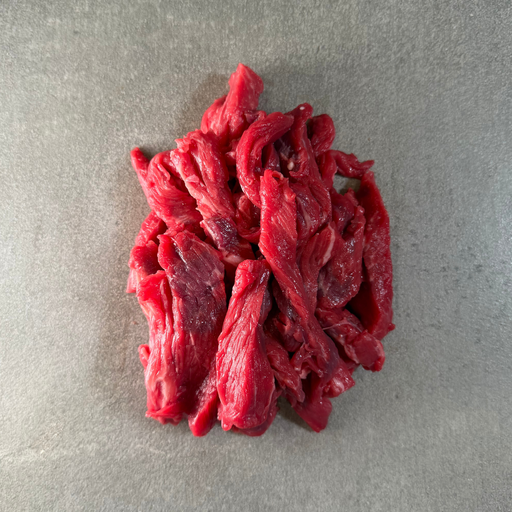
Why This Fits Their Persona: This person values quality over quantity and is looking for a superior product for a special meal, like a quick beef stroganoff or a high-end stir-fry. They appreciate details about sourcing and preparation.
It avoids the vague "premium" label trap by providing verifiable details: it is cut from the tenderloin of grass-fed Aberdeen Angus and Hereford cattle and is dry-aged for a minimum of 21 days. This is tangible information, not just marketing fluff.
This is one of the most naturally tender cuts, offering a fine grain and delicate flavour. The strips are pre-cut, offering convenience for quick-cooking dishes.
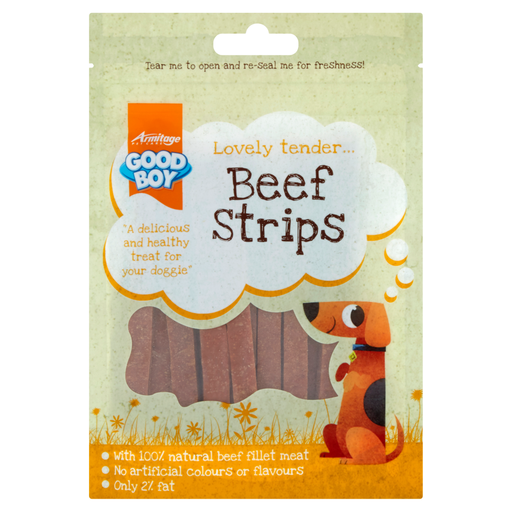
Why This Fits Their Persona: This user treats their dog as part of the family and scrutinises ingredient lists. They are looking for natural, healthy treats and are wary of cheap fillers, artificial additives and vague terms like "meat derivatives" commonly found in pet food.
It avoids the pitfall of unclear ingredients. The description clearly states it is made with 100% natural beef fillet meat and is free from wheat, cereals and artificial colours or flavours. This transparency builds trust.
These treats are very low in fat (only 2%) and have a soft, tender texture, making them suitable for a wide range of dog breeds and ages (over 4 months).
We have compiled a complete, real-time list of products that fully satisfy these strict selection criteria and UK safety regulations.
1. Is frozen beef as good as fresh when buying online? Professionally frozen beef can be excellent. The key is "flash-freezing," a process that freezes the meat very quickly at an extremely low temperature. This creates smaller ice crystals, which cause less damage to the meat's cellular structure, preserving its texture and flavour. It can be a more reliable option than "fresh" beef that has had a long and uncertain journey to your door.
2. What is the difference between beef shin, tendon and brisket for stewing? All three are great for slow cooking, but they offer different textures. Beef shin is a lean, muscular cut from the leg that becomes very tender but holds its shape. Beef tendon is almost pure connective tissue; when cooked for a long time, it becomes soft, gelatinous and chewy. Brisket has layers of meat and fat, resulting in a rich, shreddable texture when braised.
3. How can I ensure the beef I buy online is genuinely from the UK? Look for specific statements of origin on the product page or packaging. Reputable online butchers and retailers are usually proud to state their sourcing, often naming the specific region or even the farm. Certifications like the Red Tractor logo can also provide an assurance of farm standards and traceability for British products. If the origin is not listed, it is a good reason to be cautious.