
24/7 Customer Support

Free returns

Same-day & Next-day Delivery

Quality Guaranteed

Unlock Your Welcome Offers: FREE Delivery | Up to 80% OFF | Free 30-day JoyPlus trial
Download the APP
Buying beef online in the UK can make meal planning easier, particularly when you need frozen beef for hotpot, Korean BBQ, family meals or slow cooking. However, attractive product descriptions do not always explain the details that affect flavour, texture and value.
Before you buy, check the cut, net weight, storage instructions, country of origin and intended cooking method. These details help prevent common mistakes such as choosing a steak for a stew, paying for a small premium pack when feeding several people or ordering a frozen product without enough freezer space.
Words such as “premium”, “marbled” or “tender” are not enough to predict how beef will cook. A beef shank, for example, contains firm muscle and connective tissue. It is suited to braising, not rapid frying. Conversely, a thinly sliced hotpot product is designed for very short cooking and may become dry if simmered for a long time.
Look for the actual cut, such as beef short ribs, beef flank, brisket, shin or flat iron steak. Then match it to your recipe.
Bone-in beef and heavily marbled cuts do not provide the same amount of cooked meat as lean, boneless cuts. A 700g pack of bone-in short ribs may serve differently from a 700g pack of sliced beef. Check the net weight, number of pieces and whether the product is bone-in or boneless before comparing prices.
For a family hotpot or barbecue, larger packs such as 800g or 1kg can be more practical. For a single meal or recipe trial, 150g–500g packs may reduce waste.
Many online beef products are stored at -18°C or below. They must remain frozen until needed and should not be refrozen after thawing. Some products require consumption within 24, 48 or 72 hours after defrosting, so check the individual packaging.
Allow enough delivery and freezer capacity before ordering. A product described as frozen should not be treated like chilled British beef delivery and chilled products need prompt refrigeration on arrival.
Use this simple guide:
A cut’s name is more useful than a vague tenderness claim. If you are preparing Chinese braised beef, Korean-style short ribs or a Western casserole, select a product that is naturally suited to the cooking time.
Frozen beef can be convenient for bulk buying and portion planning. Flash-freezing or freezing soon after preparation may help preserve the product’s structure, but the final result still depends on correct thawing and cooking.
For frozen items, follow the label’s instructions. Defrost in the refrigerator where possible, keep the product covered and do not refreeze once thawed. Some thinly sliced products are designed to cook from frozen or partially defrosted, while larger cuts generally need complete thawing.
For UK shoppers, country of origin can be an important comparison point. Available products may include British beef, beef from Ireland, Australia, Poland or China, depending on the listing. Check the product page and packaging rather than assuming that a UK retailer means UK origin.
Also review:
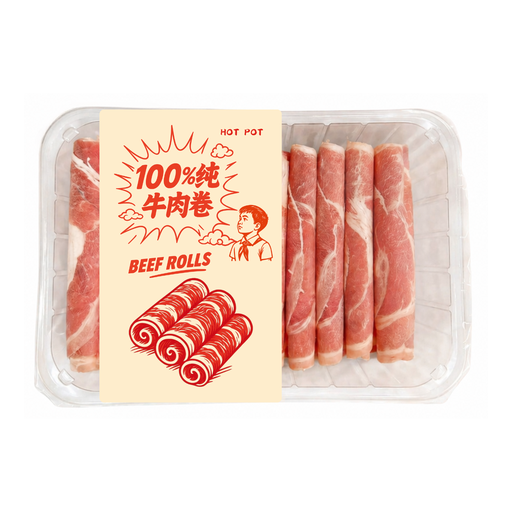
Why This Fits Their Persona: A manageable pack for shoppers trying Chinese hotpot, shabu-shabu or quick stir-fries without committing to a large quantity.
The cut and thin-slice format clearly indicate quick cooking rather than lengthy braising.
260g pack; pre-sliced beef suitable for hotpot and stir-frying.
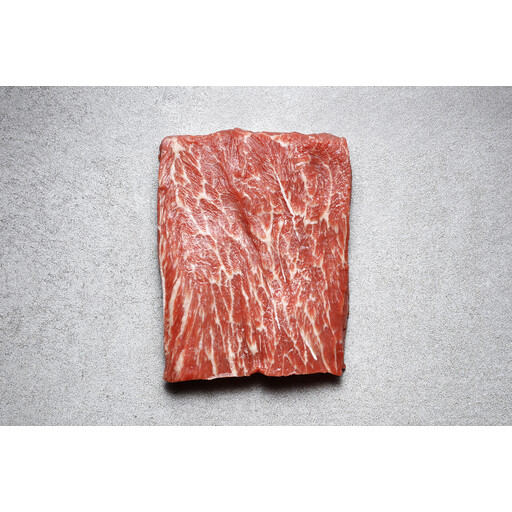
Why This Fits Their Persona: Suitable for shoppers looking for a clearly specified steak with grass-fed sourcing and a dry-ageing description.
The listing identifies the flat iron cut, 250g pack size, grass-fed origin and minimum 28-day dry-ageing description.
Even-grained flat iron steak; intended for high-heat pan cooking or grilling.
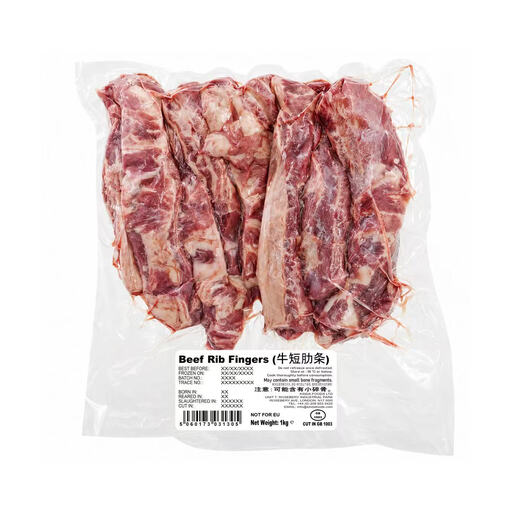
Why This Fits Their Persona: A large pack for households, meal preppers and cooks making Korean BBQ, braises, roasts or several meals from one order.
The boneless format provides a clearer usable quantity than bone-in ribs, while the cooking guidance covers several methods.
1kg pack; 100% beef; suitable for grilling, roasting, braising and slow cooking.
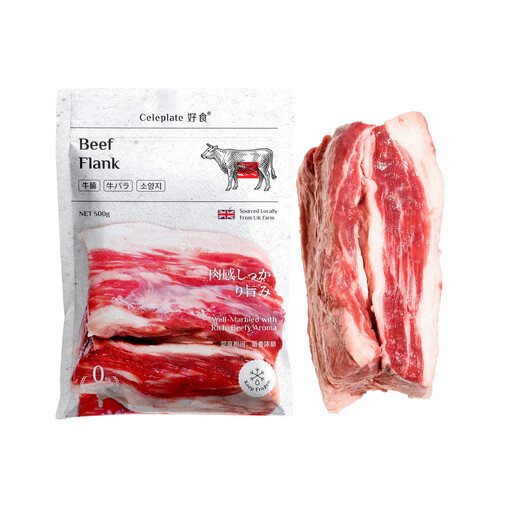
Why This Fits Their Persona: A practical option for Chinese braised beef, curry, tomato stew, soup and other dishes requiring extended simmering.
The listing states that it is a frozen flank cut and recommends 60 or more minutes in a regular pot, or 45 or more minutes in a pressure cooker.
500g pack; 100% beef; suited to long simmering and sauce-based recipes.
We have compiled a complete, real-time list of products that fully satisfy these strict selection criteria and UK safety regulations.
It can be suitable when the product arrives frozen or sufficiently cold and is stored according to the label. Check the packaging for damage, storage instructions and the best-before information. Do not refreeze beef after thawing unless the packaging specifically states otherwise.
Thinly sliced hotpot beef, beef rolls or Wagyu hotpot slices are designed for rapid cooking in simmering broth. Cook until the meat changes colour and is fully cooked, following the product instructions. Beef brisket or flank can also be used in hotpot soups, but these usually need longer cooking.
Beef brisket, flank, shank, shin, short ribs and rib fingers are commonly suited to slow cooking. Look for descriptions mentioning braising, stewing or long simmering and allow enough time for the collagen and connective tissue to soften.