
24/7 Customer Support

Free returns

Same-day & Next-day Delivery

Quality Guaranteed

Unlock Your Welcome Offers: FREE Delivery | Up to 80% OFF | Free 30-day JoyPlus trial
Download the APP
Shopping for beef online offers incredible convenience and access to cuts you might not find at your local supermarket. However, the digital butcher's block can be tricky to navigate. Pictures can be deceiving and marketing terms can be confusing, leading to disappointing meals and wasted money. As a Product Recommendation Officer, my role is to help you understand what truly matters, so you can choose the right beef with confidence for your next meal, whether it's a slow-cooked stew or a sizzling Korean BBQ.
Before you click "add to basket," let's look at a few common pitfalls that can trip up even seasoned home cooks when they buy beef online in the UK.
To avoid these traps, focus on the objective details. Here are the core parameters to check before finalising your beef delivery in the UK.
The single most important factor is choosing the right cut for your dish. Different muscles on the animal work in different ways, resulting in varied textures and fat content.
Fat is flavour. When buying beef online, pay close attention to descriptions of marbling and origin.
To make things easier, here are a few selections matched to specific cooking styles and needs, all of which provide clear information to help you choose correctly.
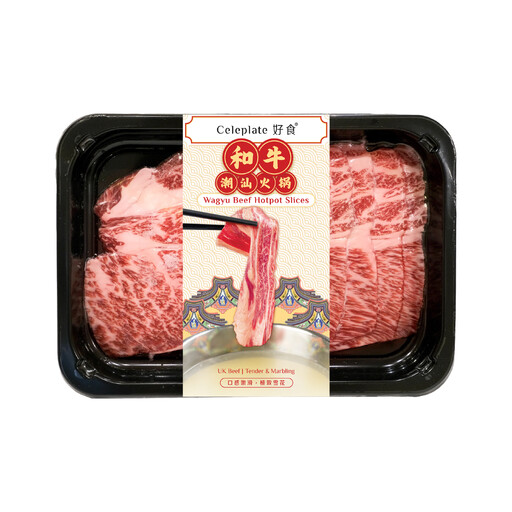
Why This Fits Their Persona: Perfect for the UK home cook who loves authentic hot pot or shabu-shabu. These slices are cut to the ideal thickness (approx. 1.5mm) for dipping into a simmering broth, cooking in just a few seconds for a melt-in-the-mouth texture.
This product directly solves the "wrong cut for the recipe" problem. It is specifically prepared and labelled for hot pot, removing any guesswork for the consumer.
Sourced from Irish Wagyu, it offers exceptional marbling for a rich, creamy flavour. The convenience of pre-sliced, high-quality beef elevates the home hot pot experience.
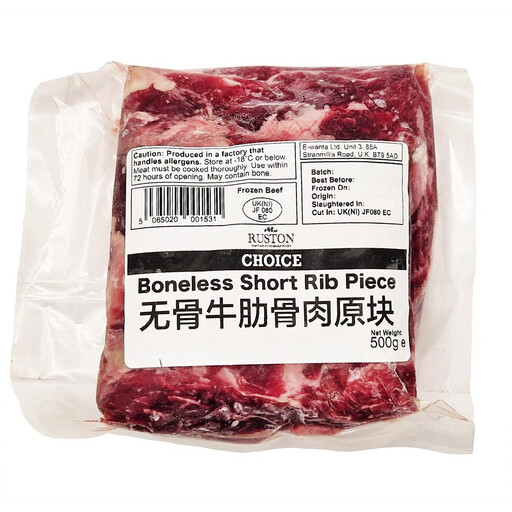
Why This Fits Their Persona: This is for the cook who loves the deep, comforting flavours of a slowly braised dish, like Korean galbi-jjim or a classic red wine braise. Boneless short ribs are rich in flavour and become exceptionally tender after hours of gentle cooking.
It avoids the "vague premium" trap by specifying the cut (boneless short rib from the ribcage) and its ideal use (slow cooking), giving the buyer clear, actionable information.
Being boneless, it offers great convenience with no trimming required. The cut is selected for its balance of meat and fat, ensuring a rich, succulent result in stews and braises.
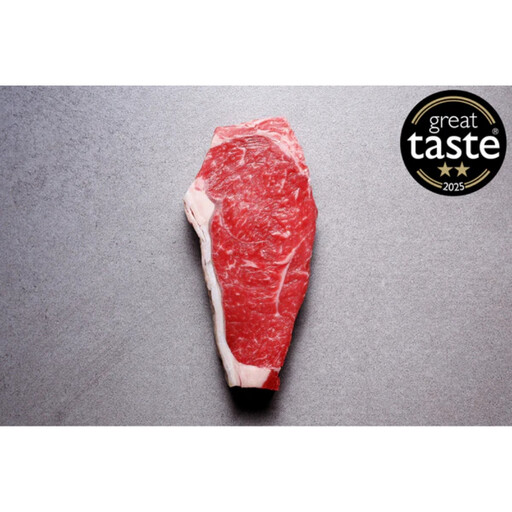
Why This Fits Their Persona: For those seeking a restaurant-quality steak experience at home. This prime dry-aged sirloin offers a balance of tenderness and a deep, beefy flavour, making it ideal for a special weekend meal or celebration.
It counters the "looks can be deceiving" trap by providing detailed descriptions of the fat cap and fine marbling, and even includes cooking guidance to help you achieve a perfect result.
The beef is dry-aged, a process that intensifies flavour and tenderness. Sourced from a respected family-run butcher, it offers a level of quality and transparency often missing from online listings.
We have compiled a complete, real-time list of products that fully satisfy these strict selection criteria and UK safety regulations.
1. How is frozen beef delivery in the UK kept fresh? Reputable online retailers use specialised packaging to ensure their frozen beef cuts remain at a safe temperature during transit. This typically involves insulated boxes and frozen gel packs. The beef is usually flash-frozen immediately after being cut, a process that locks in freshness and texture far better than home freezing. Always check the storage instructions upon arrival.
2. What is the main difference between grass-fed and grain-fed beef? The diet of the cattle primarily affects the flavour and fat composition of the meat. Grass-fed beef comes from cattle that have grazed on pasture. This beef is often leaner with a more pronounced, complex "beefy" flavour. Grain-fed beef comes from cattle that are fed a diet of grains, which results in more consistent marbling (intramuscular fat) and a milder, often buttery taste. Your choice depends on your personal flavour preference.
3. Can I use any beef cut for a stew? While you technically can, the results will vary dramatically. For a successful stew, you need cuts with a high amount of collagen and connective tissue, like chuck, shin or flank. During the long, slow cooking process, this collagen breaks down into gelatin, which makes the meat tender and gives the sauce a rich, silky body. Using a lean cut like a sirloin steak would result in dry, tough meat because it lacks this connective tissue and is better suited for quick, high-heat cooking.