
24/7 Customer Support

Free returns

Same-day & Next-day Delivery

Quality Guaranteed

Unlock Your Welcome Offers: FREE Delivery | Up to 80% OFF | Free 30-day JoyPlus trial
Download the APP
Navigating the world of online butchers can feel like a gamble. You see a promising picture of a steak or a roast, but what arrives can sometimes be a disappointment. When you decide to buy beef online in the UK, you are looking for quality, convenience and the right cut for your recipe. However, it is easy to fall into a few common traps that lead to wasted money and underwhelming meals.
The most frequent issues we see are vague product descriptions, the overuse of marketing terms and a lack of clarity on what makes a cut suitable for a specific dish. Let's look at the main pitfalls to avoid:
To ensure your beef delivery meets your expectations, focus on a few core parameters. This knowledge helps you see past the marketing and choose the right product for your culinary plans, whether it's a slow-cooked classic or a quick Korean BBQ.
The single most important factor is the cut. Different parts of the animal have different compositions of muscle, fat and connective tissue (collagen), which dictates how they should be cooked.
Beyond the cut, certain terms indicate a higher quality of flavour and texture.
Based on these practical criteria, we have matched a few standout products to different home-cooking needs. These selections offer clarity on the cut, quality and intended use, helping you avoid the common buying pitfalls.
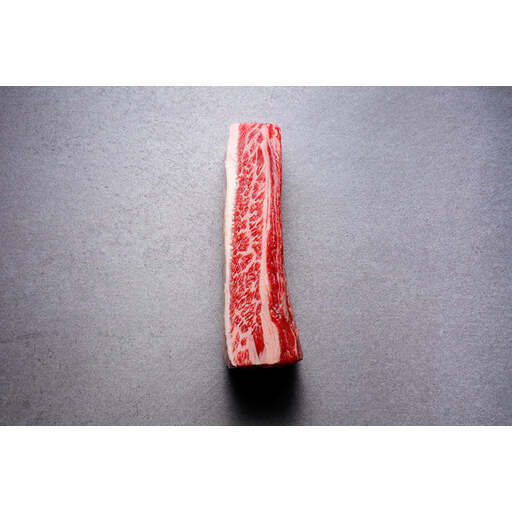
Why This Fits Their Persona: This is for the cook who loves the deep, comforting flavours of a slowly braised dish. This substantial 1.1kg cut of beef short ribs is ideal for a weekend project, creating a rich, fall-off-the-bone centrepiece for a family meal.
It sidesteps the "vague premium" trap by providing clear quality markers: it is grass-fed beef from specified breeds (Aberdeen Angus or Hereford) and dry-aged for a minimum of 28 days in a Himalayan salt chamber for enhanced flavour.
Excellent marbling and high collagen content ensure a succulent, tender result after slow cooking. Sourced from a respected family-run London butcher, HG Walter, ensuring quality butchery.

Why This Fits Their Persona: For anyone craving authentic Korean BBQ beef at home, this is the specific cut required. Known as 'LA Ribs', this style is almost impossible to find in standard UK supermarkets, making it a perfect find from an online butcher.
This avoids the "misleading cut" pitfall entirely. It is not just 'thinly sliced beef'; it is a precise Flanken-cut across the bone, a technique designed specifically to shorten muscle fibres for tenderness and quick cooking.
The thin, bone-in profile is perfect for absorbing marinades and caramelising quickly on a grill or in a hot pan. The product also specifies its Kentish provenance, adding a layer of traceability.

Why This Fits Their Persona: This is for the busy individual or family who wants a delicious, high-quality meal without the prep time. It combines the convenience of a ready-to-cook product with the quality of a specific, tender cut of beef.
Instead of a generic marinade, the description explains its function. The marinade uses real apple and pineapple, whose natural enzymes act as a tenderiser. This provides a clear, functional reason for the ingredients, moving beyond a simple flavour description.
Maximum convenience. The beef is already Flanken-cut for tenderness and pre-marinated, meaning it can go from pack to plate in minutes. It's a simple solution for a quick, flavourful meal.
We have compiled a complete, real-time list of products that fully satisfy these strict selection criteria and UK safety regulations.
Grass-fed beef comes from cattle that have grazed on pasture for their entire lives. This diet typically produces leaner meat with a higher concentration of certain fats and antioxidants and a more pronounced, earthy "beefy" flavour. Grain-fed beef usually comes from cattle that are started on grass but "finished" on a diet of grains, which results in more intramuscular fat (marbling) and a milder, more buttery flavour. Neither is inherently better; it is a matter of personal preference for taste and texture.
Tenderness depends on three things: the cut, the quality and the cooking method. For guaranteed tenderness, choose cuts known for it, like fillet or sirloin. For tougher cuts like shin or brisket, tenderness is achieved through slow cooking, which breaks down collagen. Look for quality indicators like "dry-aged," which naturally tenderises the meat, or specific butchery like the thin slicing for beef for hotpot or the Flanken-cut for Korean BBQ beef, which mechanically shortens the muscle fibres.
Yes, it is very safe, provided you order from a reputable supplier. Professional online butchers use specialised packaging, such as insulated boxes and ice packs, to maintain a consistent, cold temperature during transit. This ensures your beef delivery arrives frozen or properly chilled. Upon arrival, you should transfer the meat to your freezer or refrigerator immediately. Always check the storage instructions provided with your order.