
24/7 Customer Support

Free returns

Same-day & Next-day Delivery

Quality Guaranteed

Unlock Your Welcome Offers: FREE Delivery | Up to 80% OFF | Free 30-day JoyPlus trial
Download the APP
Ordering beef online can save a supermarket trip, but the wrong cut, pack size or storage format can quickly turn into wasted food and disappointing meals. Whether you need beef for Chinese hotpot, a steak for the frying pan or a large cut for weekend braising, the label should tell you more than attractive phrases such as “premium”, “tender” or “restaurant-style”.
This guide explains what to check before you buy beef online UK households can use confidently, with practical suggestions for hotpot, grilling, stews and quick family meals.
Beef cuts behave differently because they contain varying amounts of muscle fibre, fat and connective tissue. A lean steak may become tough in a long stew, while brisket or beef shank needs time to soften. Conversely, slow-cooking cuts are usually unsuitable for a fast fry unless they have been sliced thinly.
Before ordering, decide whether the beef will be:
A 1kg whole cut may provide several meals, but it requires freezer space, defrosting and preparation. Thinly sliced beef is easier to portion for hotpot, although smaller packs may cost more per 100g. Tinned corned beef and minced beef products offer convenience, but they are prepared foods with their own salt and ingredient information to check.
Compare the net weight, number of diners and intended recipe rather than choosing solely by the largest pack.
Frozen beef should generally remain at -18°C or below, as stated on the product packaging. Chilled beef needs prompt refrigeration, usually within the temperature range shown on its label. A chilled product may be suitable for home freezing, but this does not mean it can be refrozen after thawing.
For food safety, keep raw beef separate from ready-to-eat foods, wash hands and utensils after handling and cook according to the package instructions. Thin slices still require thorough cooking unless the product specifically provides different instructions.
Match the cut to the recipe:
For plain beef, look for an ingredient list such as 100% beef. Marinated products contain additional ingredients and may include allergens. For example, pre-marinated short ribs can contain soya, wheat and sesame, so read the bold allergen declaration before serving guests.
Tinned products are different from raw cuts. Princes Minced Beef & Onion contains beef, stock, onions and wheat- and barley-based ingredients. Princes Corned Beef contains cooked beef, salt and sodium nitrite, while the reduced-salt version lists a lower salt value per 100g in its supplied nutrition information. Always check the current packaging because formulations and labelling can change.
“British beef” should not be assumed from a brand name alone. Check the stated country or countries of origin. Product listings may identify beef as originating from the UK, Ireland, Australia, Poland or China, depending on the item.
For online beef delivery UK shoppers should also check:
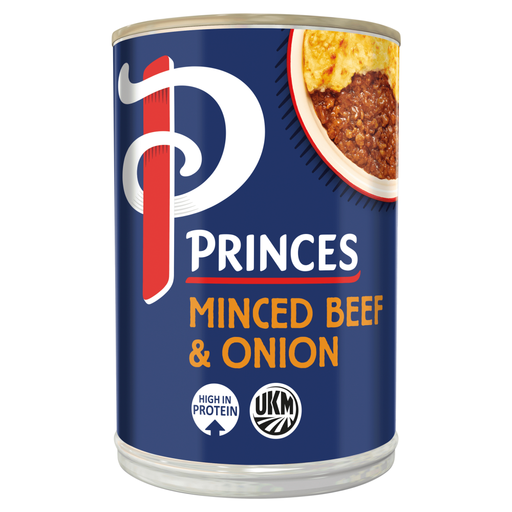
Why This Fits Their Persona: A cupboard-stable option for students, small households and busy shoppers who need a quick meal without defrosting raw meat.
The ingredients and allergens are listed clearly, so it is not presented as an interchangeable raw minced beef product.
Cool, dry storage; 392g tin; prepared with beef and onion for straightforward serving.
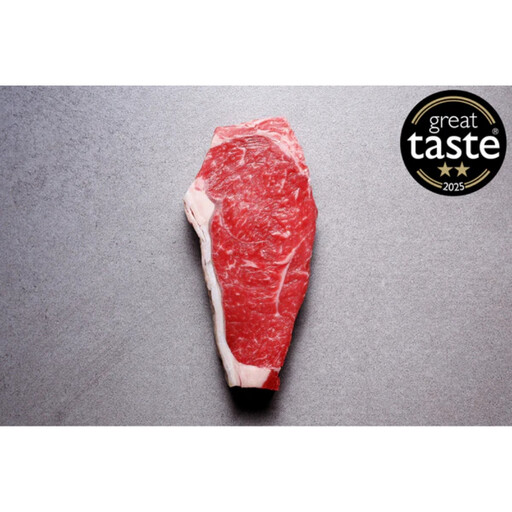
Why This Fits Their Persona: A single 250g sirloin suits a weekend dinner, home barbecue or occasion when the cooking process matters as much as the meal.
The cut, weight, origin and refrigeration guidance are specified, helping you assess the product beyond vague steakhouse language.
250g portion; UK origin stated; requires chilled storage between 0°C and 4°C.

Why This Fits Their Persona: The large frozen pack is suited to family hotpot nights, group dining and caterers serving several portions.
The listing states that it is raw and requires thorough cooking, rather than implying that thin slices are ready to eat.
800g net weight; 100% beef; suitable for hotpot, stir-frying and grilling.
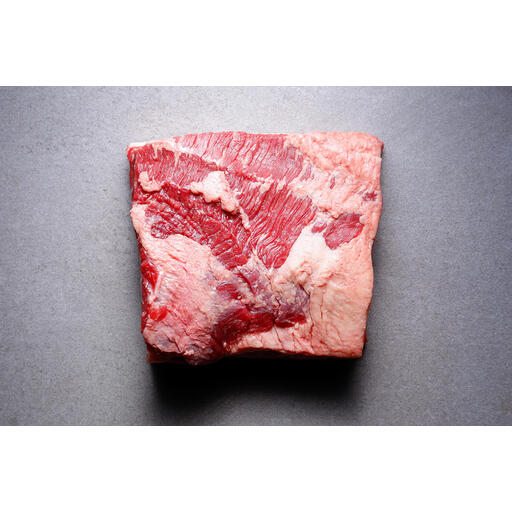
Why This Fits Their Persona: A 1kg boneless cut gives confident home cooks and caterers a flexible base for smoking, braising, roasting or salt beef.
The description identifies brisket as a hardworking muscle requiring long cooking, so it sets realistic preparation expectations.
Boneless 1kg flat cut; grass-fed British beef; suitable for smoking, braising and low roasting.
We have compiled a complete, real-time list of products that fully satisfy these strict selection criteria and UK safety regulations.
Yes, provided it is intended for cooking and is kept frozen according to the packaging. Thinly sliced products such as beef hotpot rolls are designed to cook quickly in simmering broth. Swirl each portion until fully cooked, then serve immediately.
The permitted time varies by product. Some frozen beef listings advise refrigeration and consumption within 24 hours, while others state 48 or 72 hours. Follow the specific label, keep the meat covered and do not refreeze it after thawing.
Choose a cut with connective tissue and enough fat to withstand long cooking. Beef flank, beef shank, beef short ribs and beef brisket are practical options. Lean steak cuts are generally more suitable for quick frying or grilling than extended braising.