
24/7 Customer Support

Free returns

Same-day & Next-day Delivery

Quality Guaranteed

Unlock Your Welcome Offers: FREE Delivery | Up to 80% OFF | Free 30-day JoyPlus trial
Download the APP
For many home cooks, the promise of succulent, fall-off-the-bone beef short ribs is the ultimate weekend cooking project. Yet, the path from browsing online to serving a memorable meal is often filled with potential missteps. Choosing the right cut can feel like navigating a minefield of confusing labels and marketing terms. This guide is designed to help you understand what truly matters when you decide to buy short ribs online in the UK, ensuring your investment in time and money yields delicious results.
Before adding a pack of ribs to your basket, it's wise to be aware of a few common traps that can lead to a disappointing dish.
To ensure you get the right product for your culinary ambitions, focus on these three non-negotiable parameters.
The origin and diet of the cattle have a significant impact on the final flavour and texture. Look for clear information on the product page.
The presence of the bone is more than just for show; it plays a functional role in the cooking process.
When it comes to short ribs, fat is flavour. Unlike leaner cuts, you should actively look for ribs with visible streaks of intramuscular fat, known as marbling. This fat is essential. As the ribs cook low and slow, the fat and connective tissues melt, tenderising the meat from within and creating that sought-after succulent, melt-in-the-mouth texture. A cut that is too lean will not withstand a long cooking time and will turn out tough.
To help you make a confident choice, we've matched a few standout products to different home cook profiles.
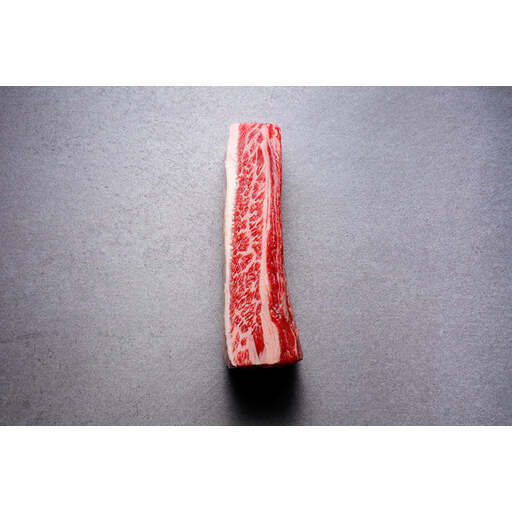
Why This Fits Their Persona: This is for the home cook who values traditional butchery and wants a product with impeccable provenance for a classic Sunday slow-cook or braise. They prioritise flavour and quality above all else.
It directly addresses the provenance pitfall by specifying the beef is British grass-fed Aberdeen Angus or Hereford. It's a classic bone-in cut, perfectly suited for slow cooking, avoiding the "wrong cut" issue.
Sourced from specific high-quality breeds and dry-aged for a minimum of 28 days to intensify flavour. Excellent marbling ensures a succulent result.
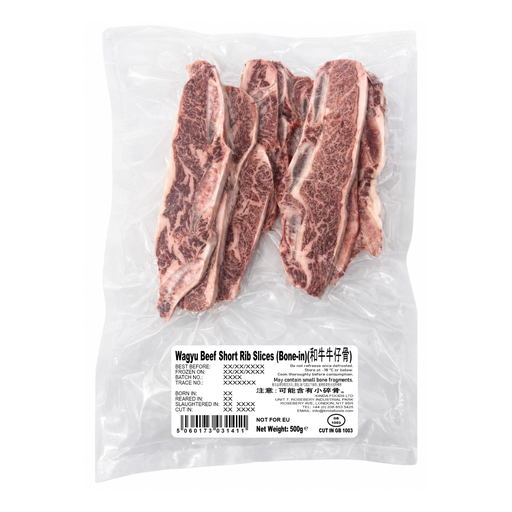
Why This Fits Their Persona: This is for the cook who loves the high heat of the barbecue or grill and is looking for a premium cut that cooks relatively quickly while delivering intense flavour and juiciness.
This product is specifically described as "thick cut" slices ideal for BBQ grilling. This prevents you from accidentally buying a slow-cook cut for a fast-cook method, or vice-versa.
The use of British Wagyu provides exceptional marbling, which translates to superior flavour and tenderness when grilled. The pre-sliced format offers great convenience.
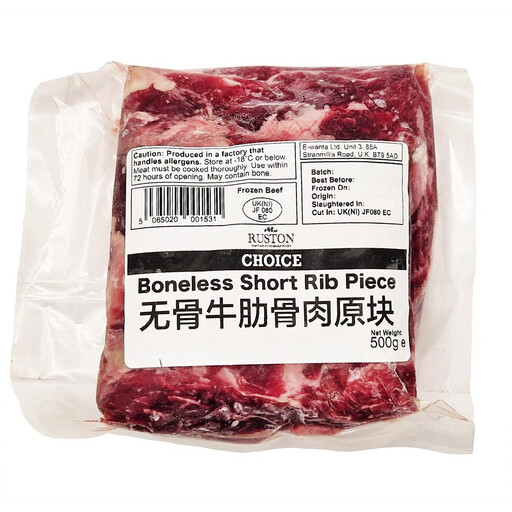
Why This Fits Their Persona: Ideal for the busy home cook who wants the rich, comforting flavour of short ribs for a stew or braise but prefers the convenience of a boneless cut for easy preparation and serving.
This product is clearly labelled as boneless, so you know exactly what you're getting. It's a straightforward choice for recipes where bones are not required, preventing any surprises.
Being boneless makes it very easy to cut into uniform pieces for stews. The 500g pack size is well-suited for a family meal, serving 3-4 people.
We have compiled a complete, real-time list of products that fully satisfy these strict selection criteria and UK safety regulations.
A good rule of thumb for bone-in short ribs is to allow for 400-500g per person. This accounts for the weight of the bone and any shrinkage during cooking. For boneless short ribs, 200-250g per person is usually sufficient.
It is not recommended. For the best texture and to ensure even cooking, you should always defrost short ribs completely before cooking. The most effective method is to leave them in the fridge overnight. This slow, gentle thaw helps the meat retain its moisture.
The two cuts come from different parts of the animal. Short ribs are from the lower part of the rib cage (the plate, chuck, or brisket area) and have a thick layer of meat on top of the bone. They are rich in fat and connective tissue, making them ideal for slow cooking. Beef back ribs are from the upper part of the rib cage, behind the ribeye steak. They have less meat (most of it is between the bones, not on top) and are generally leaner, making them better suited for grilling or barbecuing.