
24/7 Customer Support

Free returns

Same-day & Next-day Delivery

Quality Guaranteed

Unlock Your Welcome Offers: FREE Delivery | Up to 80% OFF | Free 30-day JoyPlus trial
Download the APP
Finding the right biscuits online can seem straightforward until you compare pack sizes, ingredients, portion formats and product origins. A low shelf price may hide a small net weight, while an imported biscuit may have different allergen information or storage instructions from the products you usually buy in the UK.
As the Joybuy Product Recommendation Officer, I focus on practical details rather than packaging promises. This guide explains the common buying traps, the specifications worth checking and a selection of chocolate biscuits, wafer biscuits, sandwich biscuits and tea-time biscuits for different households.
A multipack can look economical because it contains several wrappers, but individual portions may be small. For a fair comparison, check both the total net weight and the number of servings. A 16-pack of individually wrapped chocolate biscuit bars may suit a family, but a 40g imported snack could offer more variety without being the lower-cost option per 100g.
Descriptions may use terms such as “premium”, “light” or “perfectly portioned”. These phrases do not replace measurable information. Look for the biscuit type, net weight, number of units, ingredients, allergen statement and nutritional panel. For example, a chocolate-coated wafer, a chocolate biscuit bar and a sandwich biscuit will have noticeably different textures and ingredient lists.
Wheat, milk, soya, egg, nuts and barley are common ingredients or cross-contact warnings in biscuits. Imported biscuits may also have different recipes, labels or responsible-party details from familiar UK versions. Always check the current packaging before eating, particularly when buying Asian biscuits, European biscuits or products for children with allergies.
For family cupboards, office snack drawers or biscuits for sharing, compare:
A 14-pack of McVitie’s Penguin Milk Chocolate Biscuit Bars contains 344.4g in total, while the Twix Biscuits multipack provides 16 individually wrapped 20g biscuits. These formats serve different needs, even if both are suitable for lunchboxes or work breaks.
Choose according to the texture and flavour you actually want:
If you prefer a crisp bite, check whether the product contains wafers or baked biscuit layers. If you want a softer centre, look for caramel, cream or filled formats.
Nutrition panels are generally shown per 100g, but some products also show information per biscuit or bar. This makes portion comparisons easier. For instance, the Cadbury Timeout Chocolate Wafer Bar lists approximately 94 kcal per 18g bar, while Nestlé Toffee Crisp lists approximately 97 kcal per 18.7g bar.
These are sweet snacks, so compare sugars, saturated fat and salt where relevant and consider how the pack will be shared. Store biscuits in a cool, dry place away from sunlight and humidity. Once opened, reseal the pack or move the contents to an airtight container to help preserve crispness. Always follow the best-before information on the packaging.
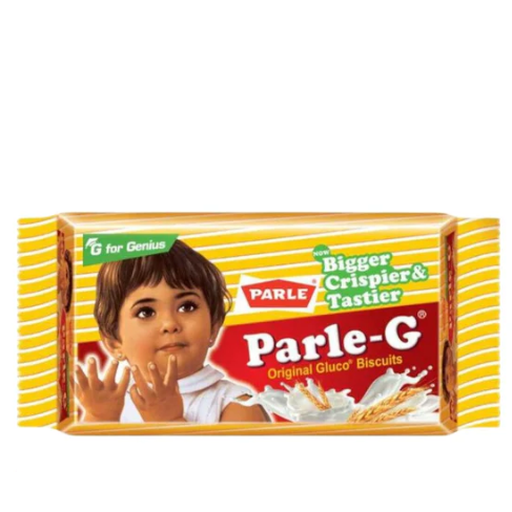
Why This Fits Their Persona: A compact imported biscuit pack for shoppers trying Asian biscuits or seeking a simple sweet snack with tea, coffee or milk.
The listed 79.9g net quantity makes the portion clear, avoiding confusion caused by large-looking packaging.
Wheat-based biscuit with a stated 452 kcal per 100g and a compact format for individual snacking.
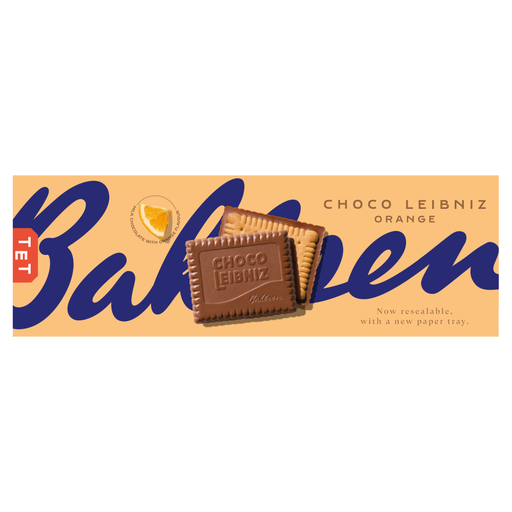
Why This Fits Their Persona: A smaller European biscuit selection for afternoon tea, coffee breaks or gifting when a chocolate-and-citrus flavour is preferred.
The product listing identifies the 111g weight and allergen information, so shoppers can assess suitability before ordering.
Milk chocolate with orange flavouring, a crisp biscuit base and a stated net quantity of 111g.

Why This Fits Their Persona: A UK-made multipack format for family cupboards, lunchboxes, after-school snacks and office sharing.
Its 14-bar count and 344.4g total weight show the quantity clearly, rather than relying on a large outer pack.
Individually packed milk-chocolate biscuit bars; contains wheat and milk and may contain traces of nuts and eggs.
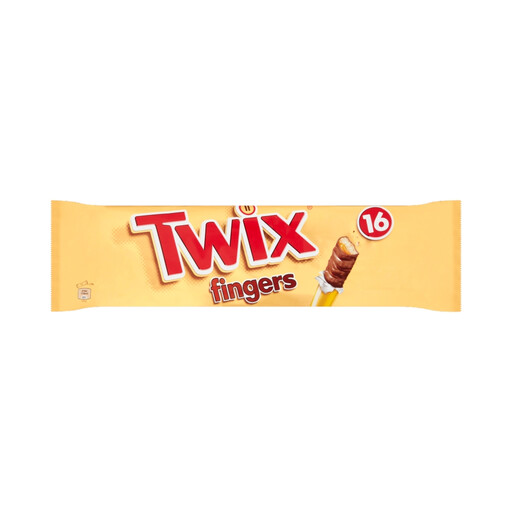
Why This Fits Their Persona: Sixteen individually wrapped chocolate biscuit bars suit packed lunches, desk drawers, travel and informal sharing.
The 20g unit size makes portion planning straightforward, while the 16-pack clarifies how many servings are included.
Combines biscuit, caramel and milk chocolate; contains milk, wheat, soya and barley, with possible traces of nuts.
We have compiled a complete, real-time list of products that fully satisfy these strict selection criteria and UK safety regulations.
For a playful imported snack, Meiji Yan Yan Biscuit Sticks with Chocolate Flavoured Dip 50g combines biscuit sticks with a separate chocolate-flavoured dip. Meiji Chocoroom biscuits are available in chocolate and strawberry flavours in 40g packs, making them suitable for trying something different without buying a large quantity.
For wafer fans, Mayora Astor Vanilla Wafer Roll 40g and Lago Strawberry Party Wafers 250g offer contrasting formats: a small individually wrapped snack versus a larger sharing pack. Tunnock’s Milk Chocolate Caramel Wafer 8 Pack and Cadbury Timeout Chocolate Wafer Bars 12-Pack are alternatives for shoppers who prefer chocolate biscuit bars with layered wafer textures.
Those seeking traditional tea-time biscuits may consider Border Chocolate Oat Crumbles, Border Lemon Drizzle Melts or LU Le Petit Chocolate Biscuits. Check the allergen panel carefully, as these products contain ingredients including wheat, milk, soya and, in some cases, egg.
It can be, particularly when you compare the price per 100g and the number of individually wrapped portions. However, delivery charges, promotional pricing and pack weight can change the calculation. Compare the full basket cost rather than the displayed unit price alone.
Keep unopened biscuits in a cool, dry cupboard away from direct sunlight, heat and humidity. After opening, reseal the original packaging or use an airtight container. This is particularly important for wafer biscuits and crisp sandwich biscuits, which can soften when exposed to moisture.
Many are convenient for lunchboxes because they are individually wrapped or sold in compact portions. Nevertheless, check the current UK-facing allergen information, country of origin, pack condition and best-before date before giving them to children. A product containing wheat, milk, soya, egg, nuts or barley may not suit every lunchbox.