
24/7 Customer Support

Free returns

Same-day & Next-day Delivery

Quality Guaranteed

Unlock Your Welcome Offers: FREE Delivery | Up to 80% OFF | Free 30-day JoyPlus trial
Download the APP
Once a rare grain, black rice is now a common sight in UK kitchens, valued for its striking colour, nutty flavour and nutritional profile. However, navigating the options can be confusing. From sticky dessert varieties to convenient microwavable packs, choosing the right product is key to avoiding disappointment. As a Joybuy Product Recommendation Officer, my role is to help you understand the differences so you can make a confident purchase.
This guide cuts through the marketing hype to focus on what truly matters, helping you avoid common pitfalls and select the black rice product that fits your needs.
Many shoppers find their black rice experience falls short of expectations. This is often due to a few common misunderstandings that are easy to avoid once you know what to look for.
To ensure you get the right product, focus on these three key factors. They will determine the texture, flavour and suitability for your intended dishes.
This is the single most important distinction. The difference lies in the starch composition, which dictates the final texture.
The origin can influence the rice's flavour and aroma. For example, Thai black rice varieties are often praised for their quality in both glutinous and non-glutinous forms, offering an authentic base for Southeast Asian cuisine. Different cultivars will have subtle variations in nuttiness, aroma and chewiness, so it's worth noting the origin if you're aiming for a specific culinary result.
Your lifestyle and cooking habits should guide your choice between raw and prepared options.
To help you choose, we've matched some popular products to different user needs.
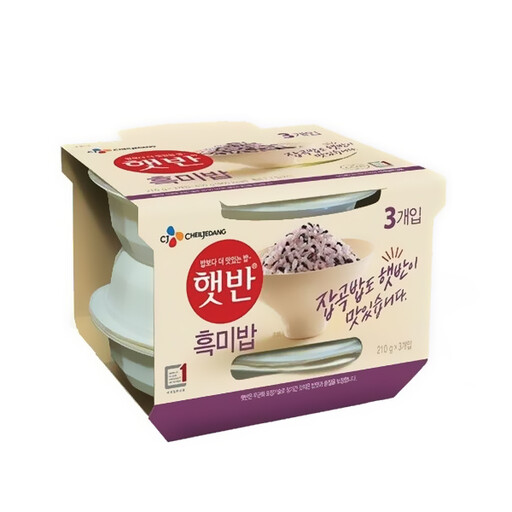
Why This Fits Their Persona: Perfect for anyone needing a quick, nutritious meal base after a long day. These single-serving pots can be microwaved in minutes, providing a healthy carbohydrate source for a stir-fry, curry or grilled protein without any cooking fuss.
It completely bypasses the "preparation puzzle." There's no need for soaking or long cooking times, making it an accessible way to incorporate black rice into a busy schedule.
The rice is steam-cooked and sealed to preserve its fresh taste and chewy texture without preservatives. It offers ultimate convenience and portion control.
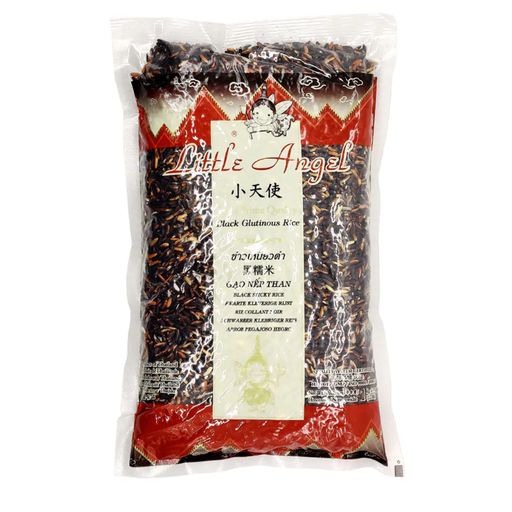
Why This Fits Their Persona: For the cook who loves creating authentic East and Southeast Asian dishes from scratch. This 1kg bag of raw grain is perfect for making traditional Thai sweet sticky rice with mango, creamy puddings or other classic desserts.
It is clearly labelled as black glutinous rice, which prevents the texture mismatch. The user knows they are buying the correct sticky variety for desserts, ensuring their recipe turns out as intended.
This is a high-quality raw ingredient sourced from Thailand, offering an authentic chewy texture and rich, nutty flavour. The large bag size is economical for those who cook with it regularly.

Why This Fits Their Persona: This is an ideal choice for someone seeking a nutritious and convenient breakfast, post-workout snack or light meal. The canned porridge is ready to eat and provides a balanced mix of grains and legumes.
It delivers the nutritional benefits of black rice in a simple, no-effort format. It avoids both the texture mix-up and the long cooking time, making it a reliable and satisfying option.
This porridge contains a blend of over 10 different wholesome ingredients, including oats, barley and red beans, for a more complex nutritional profile. It can be enjoyed hot or cold.
We have compiled a complete, real-time list of products that fully satisfy these strict selection criteria and UK safety regulations.
Here are answers to a few common questions people ask when they want to buy black rice online.
Cooking black rice is simple, but it takes more time than white rice. First, always rinse the rice under cold water until the water runs clearer. For most standard (non-glutinous) black rice, soaking is recommended for at least one hour, or even overnight, to ensure it cooks evenly. A general rule for the rice-to-water ratio is 1 part rice to 2 parts water. Bring it to a boil, then reduce the heat, cover and simmer for 30-45 minutes, or until the water is absorbed and the grains are tender. For perfect results, a multi-cooker with a brown rice or grain setting, like the Hisense 6L Multicooker, can manage the process automatically.
No, they are entirely different. Black rice is a variety of the same species as white and brown rice (Oryza sativa). Wild rice, on the other hand, is the seed of a semi-aquatic grass native to North America. They differ in flavour, texture and nutritional content. Black rice has a softer, slightly chewy texture, while wild rice is much firmer with a more pronounced earthy taste.
Black rice is a whole grain, which means it retains its bran and germ. This makes it a good source of dietary fibre and plant-based protein. Its most notable feature is its deep purple-black colour, which comes from a high concentration of anthocyanins. These are the same antioxidant pigments found in foods like blueberries, blackberries and aubergines. This unique nutritional profile makes it a popular choice for health-conscious consumers.