
24/7 Customer Support

Free returns

Same-day & Next-day Delivery

Quality Guaranteed

Unlock Your Welcome Offers: FREE Delivery | Up to 80% OFF | Free 30-day JoyPlus trial
Download the APP
As a Joybuy Product Recommendation Officer, my role is to help you navigate the crowded online marketplace. When it comes to buying British cider, the choices can be overwhelming, with a rich history stretching from the orchards of Somerset to the coast of Cornwall. While this variety is fantastic, it also opens the door to a few common purchasing mistakes. This guide will help you sidestep the pitfalls and choose a cider that truly suits your taste and occasion.
Shopping for cider from your home is convenient, but it’s easy to be misled by clever marketing. Here are two frequent traps that catch out even savvy shoppers:
To ensure you get a product you’ll enjoy, focus on a few core details. These parameters are far more telling than a flashy label.
The heart of any traditional English cyder is the apple. Ciders made from specific cider apples—such as Dabinett, Kingston Black, or Michelin—tend to have more body, tannins and complexity than those made from common eating apples like Gala or Braeburn. Producers with pride in their product will often name the apple varieties. Pay attention to the region, too; a Somerset cider will have a different character to a Cornish cyder or one from Suffolk, reflecting the local terroir and apple-growing traditions.
Many ciders are made from apple juice concentrate mixed with water. This is a cost-effective and consistent method. However, ciders made from 100% freshly pressed juice often deliver a richer, more nuanced flavour profile that captures the essence of the apples. While this might come at a slightly higher price, the difference in taste can be significant for those who appreciate a more authentic character.
Cider styles can be confusing, but understanding these terms will help you find your preference:
Based on these practical criteria, here are a few recommendations matched to different needs and preferences.
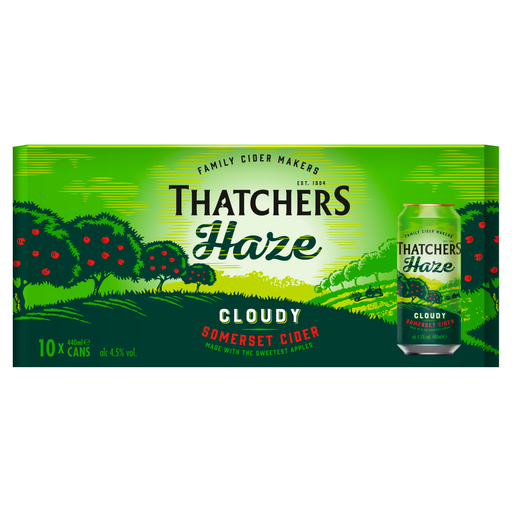
Why This Fits Their Persona: Ideal for barbecues, parties or simply stocking the fridge, this Thatchers cider multipack is a reliable and crowd-pleasing choice. Its balanced, easy-drinking profile appeals to a wide range of palates.
This isn't pretending to be a niche craft product. It's an honest, well-made cloudy cider from a renowned Somerset cider producer, delivering consistent quality without the "craft" premium.
Made with a blend of eating apples like Discovery and Gala, it has a naturally sweet and refreshing taste. The cloudy nature gives it a smooth finish.
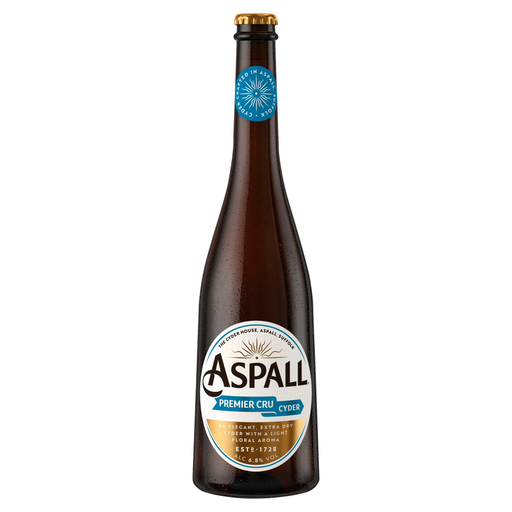
Why This Fits Their Persona: For those who appreciate heritage and complexity, this Aspall cyder is an excellent choice. It's perfect for pairing with food or savouring on a special occasion, offering a refined, wine-like experience.
This is the antithesis of the "craft" illusion. With nearly 300 years of history, its quality is built on genuine heritage, using a blend of traditional cider apples like Dabinett and Michelin from Suffolk.
This is a dry, crisp and sparkling cyder with a clean, elegant finish. It is crafted from freshly pressed apples, delivering a sophisticated flavour profile ideal for pairing with seafood or charcuterie.
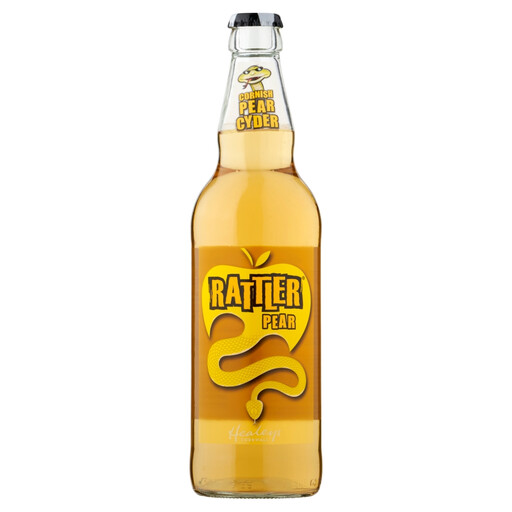
Why This Fits Their Persona: For those looking to explore fruit ciders, this Cornish cyder offers a refreshing and accessible option. It's a single bottle, making it a low-commitment way to try a popular style from a well-regarded producer.
This avoids the artificial flavour trap by using pressed pear juice in its blend. This provides a more authentic, subtle fruit aroma and moderate sweetness rather than an overpowering, synthetic taste.
It has a moderate ABV of 3.4%, making it a light and refreshing choice for casual enjoyment. The balance of apple and pear creates a pleasant, not overly sweet, fruit profile.

Why This Fits Their Persona: For those who enjoy curated cider and snacks, these crisps are a perfect companion. They elevate a simple snack by using high-quality, traceable ingredients that tie directly into the world of British cider.
Instead of a generic "cider flavour," these crisps use real cider vinegar from Burrow Hill in the Southwest of England, made from heritage apples. This provides an authentic, tangy flavour profile.
The vinegar is aged in oak barrels, adding a depth of flavour you won't find in standard salt and vinegar crisps. The 150g sharing bag is ideal for enjoying alongside a bottle of your chosen cider.
We have compiled a complete, real-time list of products that fully satisfy these strict selection criteria and UK safety regulations.
What is the difference between "cider" and "cyder"? Historically, "cyder" was a more common spelling for the fermented apple drink in Britain. Today, some producers, particularly those with a long heritage like Aspall in Suffolk or in regions like Cornwall, continue to use this spelling. It often serves to highlight a connection to traditional production methods or a specific regional identity. Functionally, both terms refer to the same beverage.
How should I store cider, especially multipacks bought online? For both cans and bottles, it is best to store them upright in a cool, dark place, away from direct sunlight and temperature fluctuations. This helps preserve the flavour and carbonation. Once a bottle is opened, it should be sealed, refrigerated and ideally consumed within three days to maintain its quality.
What foods pair well with traditional English cyder? The versatility of British cider makes it an excellent food companion. Dry, crisp ciders are a superb match for seafood, roasted chicken and charcuterie boards. Medium-bodied ciders, with their balance of sweetness and acidity, pair famously with pork dishes, rich cheeses and even mildly spiced curries. Sweeter fruit ciders can be enjoyed with light salads or as a complement to fruit-based desserts.