
24/7 Customer Support

Free returns

Same-day & Next-day Delivery

Quality Guaranteed

Unlock Your Welcome Offers: FREE Delivery | Up to 80% OFF | Free 30-day JoyPlus trial
Download the APP
Staying hydrated is fundamental, but navigating the world of bulk bottled water can be surprisingly complex. With so many options available, from everyday multipacks to premium imports, it is easy to feel overwhelmed or fall for common marketing tactics. The convenience of having a case of water delivered is clear, but ensuring you get the right product at a fair price requires a little know-how.
This guide, from your Joybuy Product Recommendation Officer, cuts through the clutter. We will highlight the frequent pitfalls that lead to buyer's remorse and break down the essential factors to consider, helping you make a confident choice for your home, office or event.
Before you add that large case to your basket, be aware of these common traps that can lead to disappointment and wasted money.
To avoid the pitfalls, focus on these three non-negotiable parameters. They will empower you to analyse your options objectively and select the right water for your needs.
Understanding the classification of bottled water in the UK is your first line of defence against paying a premium for a standard product.
The packaging affects convenience, sustainability and even the taste. Consider where and how you will be using the water.
These two metrics define the water's taste profile and mouthfeel.
Based on these practical criteria, here are some recommendations tailored to different needs and preferences.
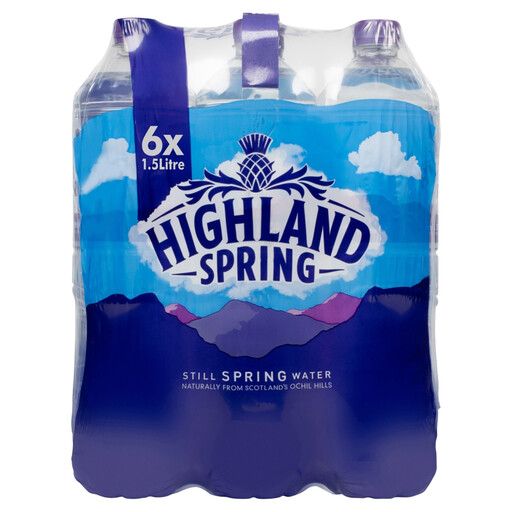
Why This Fits Their Persona: This multipack mineral water is a household staple in the UK. The 1.5L bottles are ideal for keeping the family hydrated and the trusted Scottish source provides peace of mind. It offers a great balance of quality and value for daily consumption.
It avoids the "per-litre price trap" by offering a consistently cost-effective solution in a convenient multipack format, making it easy to stock up without overpaying.
Sourced from protected organic land in Scotland with a balanced mineral profile. The bottles are 100% recyclable.
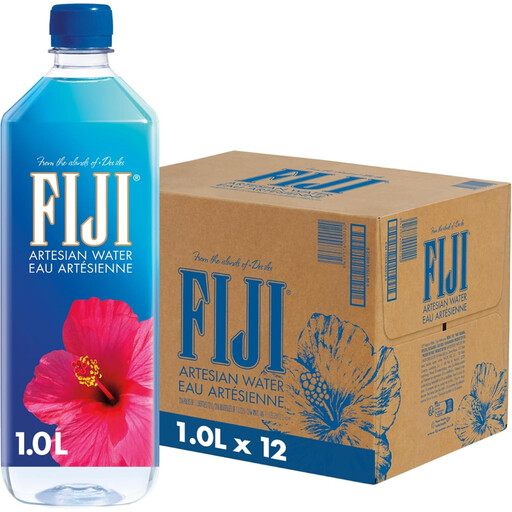
Why This Fits Their Persona: For those who appreciate a refined taste and are interested in the benefits of naturally alkaline water. FIJI is one of the premium bottled water brands known for its exceptionally soft, smooth mouthfeel, making hydration a luxurious experience.
This water sidesteps the "natural illusion" by having a verifiable, unique source—a protected artesian aquifer in Fiji. Its distinct mineral profile and pH are a direct result of this natural filtration.
Naturally alkaline pH of 7.7 and rich in silica, contributing to its signature soft taste. The 1L bottles are great for home use and dinner parties.
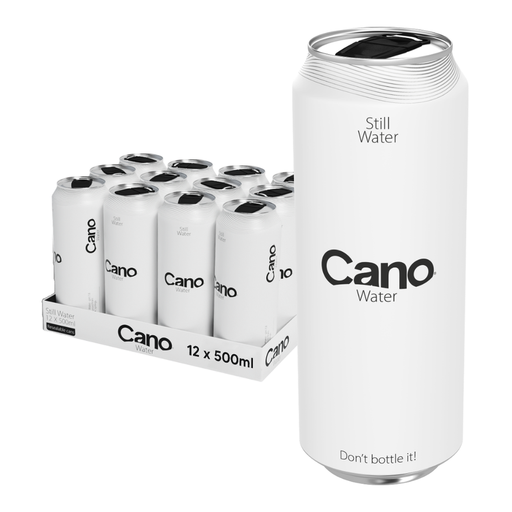
Why This Fits Their Persona: This is for the consumer actively seeking to reduce their plastic footprint without sacrificing convenience. The resealable aluminium can is a game-changer for on-the-go hydration, fitting easily into a bag for the gym or commute.
It directly counters vague "eco-friendly" claims by using aluminium, a material with a high recycling rate that can be back on shelves in as little as 60 days. The brand's mission is explicitly anti-plastic.
Infinitely recyclable packaging and an innovative resealable lid, a feature unique to canned water in the UK. The can also keeps water cooler for longer.
We have compiled a complete, real-time list of products that fully satisfy these strict selection criteria and UK safety regulations.
1. Is it always cheaper to buy bulk bottled water? Generally, yes. Buying a case of water delivery significantly lowers the cost per bottle or per litre compared to purchasing them individually. It also offers the convenience of fewer shopping trips. However, always compare the per-litre price between different pack sizes to confirm you are getting the best value.
2. What is the legal difference between mineral and spring water in the UK? Both must come from a clearly identified, protected underground source and be bottled at that source without treatment. The key difference is that Natural Mineral Water must demonstrate a consistent and stable mineral composition over time, which is officially recognised. Spring Water does not have this requirement for a stable composition, though it is still high-quality water from a natural source.
3. How should I store large quantities of bottled water? For optimal quality, store your bulk bottled water in a cool, dark and dry place, such as a pantry or garage. Keep it away from direct sunlight, strong-smelling chemicals or cleaning supplies, as plastic bottles can be permeable to odours over time. Most bottled water has a shelf life of around two years, but always check the "best before" date on the packaging.