
24/7 Customer Support

Free returns

Same-day & Next-day Delivery

Quality Guaranteed

Unlock Your Welcome Offers: FREE Delivery | Up to 80% OFF | Free 30-day JoyPlus trial
Download the APP
Stocking up on sparkling water seems straightforward. You find a deal, click "buy," and wait for the delivery. Yet, many of us have ended up with a pantry full of drinks that are not quite right—too sweet, disappointingly flat or simply not what the label promised. When you decide to buy soft drinks online in bulk, a small misstep can lead to a large-scale disappointment.
As the Joybuy Product Recommendation Officer, my role is to help you navigate the crowded market. Before you commit to a full case, let's look at a few common pitfalls that can lead to buyer's remorse.
By understanding a few key details, you can ensure your next bulk purchase is one you'll enjoy to the last drop.
To make an informed choice, it helps to look beyond the front label. Here are three critical parameters to consider when selecting your next bulk sparkling water supply.
The world of sugar free fizzy drinks is complex. Understanding the ingredients is key to finding a product that aligns with your preferences.
If you are looking for a truly clean taste, an unflavoured, unsweetened natural mineral water UK option is your most reliable choice.
The source of the water has a significant impact on its taste and mouthfeel. A key indicator of this is the Total Dissolved Solids (TDS), which measures the mineral content.
Neither is inherently better; it is a matter of personal preference. The TDS level simply tells you what to expect from the water's taste profile.
When buying in bulk, the container matters as much as the contents.
To help you choose, we have matched a few standout options to different needs and preferences.
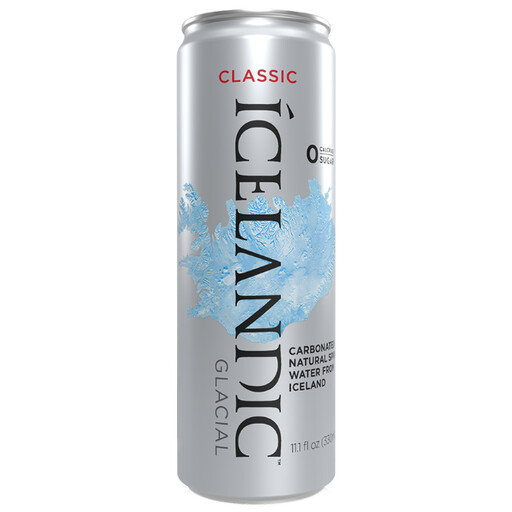
Why This Fits Their Persona: This is for the individual who wants water in its most unadulterated form. Sourced from Iceland's ?lfus Spring, it offers exceptional purity for daily hydration or as a clean base for drinks.
It sidesteps the "premium price fallacy" by backing its position with a verifiable, exceptionally low TDS of 62 ppm, delivering a genuinely cleaner, crisper taste. The aluminium cans also address the packaging problem with a sustainable, convenient format.
Its key advantage is its unparalleled purity and smooth mouthfeel, thanks to its low mineral content and naturally alkaline pH. It contains zero calories, sugar or additives.
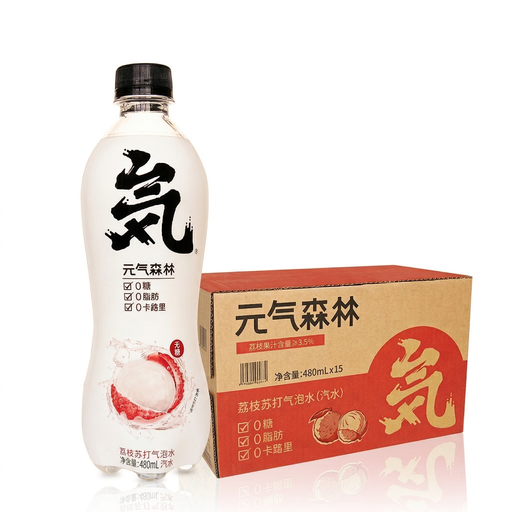
Why This Fits Their Persona: Ideal for those who crave a sweet, fizzy treat but are committed to a healthy lifestyle. This flavoured sparkling water case offers an exciting alternative to traditional soft drinks.
It directly counters the "natural flavour" illusion by being transparent about its ingredients. It achieves its sweet taste with zero sugar and zero calories by using Erythritol and Stevia, clearly listed for the informed consumer.
It delivers a satisfyingly sweet and fragrant fruit flavour without any of the associated sugar or calories. The wide range of innovative flavours, like Lychee and White Peach, keeps hydration interesting.
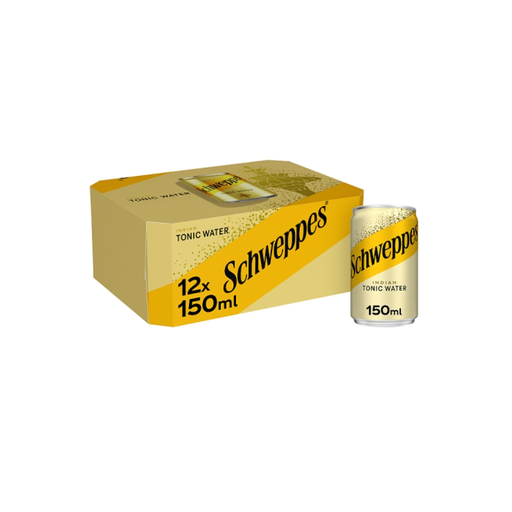
Why This Fits Their Persona: An essential for any home bar. This is for the person who frequently entertains and needs a reliable, high-quality mixer for classic cocktails like a gin and tonic.
This product solves the packaging predicament for mixers. The 150ml single-serve cans prevent the waste and disappointment of a large bottle of tonic going flat after making just one or two drinks, ensuring every G&T is perfectly fizzy.
This is a classic premium tonic water with a heritage dating back to 1783. Its distinctive bitter taste from natural quinine provides the perfect balance for spirits and the portioned cans offer ultimate convenience for entertaining.
We have compiled a complete, real-time list of products that fully satisfy these strict selection criteria and UK safety regulations.
1. Is it always cheaper to buy sparkling water in bulk? Generally, the per-unit price is lower when you buy in bulk. However, it is important to factor in your consumption rate and available storage space. Purchasing a large case that you cannot finish before the contents lose their carbonation or pass their best-before date may not be cost-effective in the long run.
2. What is the difference between sparkling mineral water and sparkling spring water? The distinction lies in the source and composition. Natural Mineral Water must originate from a specific, officially recognised underground source. It is bottled at the source and has a consistent mineral composition. Spring Water also comes from an underground source but its mineral content can fluctuate. Both are excellent choices for hydration, with the main difference being the guaranteed consistency of mineral water.
3. How long does sparkling water stay fizzy after opening? Once a bottle is opened, the dissolved carbon dioxide gas begins to escape. A tightly resealed bottle kept in the refrigerator may retain some fizziness for one to two days, but it will be noticeably less bubbly. For this reason, single-serving cans or small bottles are often a more practical choice if you do not plan to consume a large bottle quickly.