
24/7 Customer Support

Free returns

Same-day & Next-day Delivery

Quality Guaranteed

Unlock Your Welcome Offers: FREE Delivery | Up to 80% OFF | Free 30-day JoyPlus trial
Download the APP
Stocking your cupboards with essential pantry staples should be straightforward. Yet, when you try to buy grains online, you are often met with confusing labels and marketing claims. From breakfast cereals promising a healthy start to the day to the vast array of rice and grains for your evening meals, it is easy to make choices that do not quite meet your needs or budget.
As a Joybuy Product Recommendation Officer, my role is to help you navigate this landscape. We will look past the flashy packaging and focus on what truly matters, helping you identify common pitfalls so you can fill your pantry with quality staples that work for your household.
To ensure you are making a sound purchase, focus on these key parameters. They provide a reliable way to assess the quality and suitability of cereals, rice and grains, no matter the brand.
The nutritional table is your most powerful tool. Instead of relying on front-of-pack claims, turn your attention to the details per 100g, which allows for an accurate comparison between products.
The terms used to describe grains can tell you a lot about their nutritional value and cooking properties.
Here are a few selections that align with different household needs, chosen based on their clear specifications and suitability for common UK lifestyles.
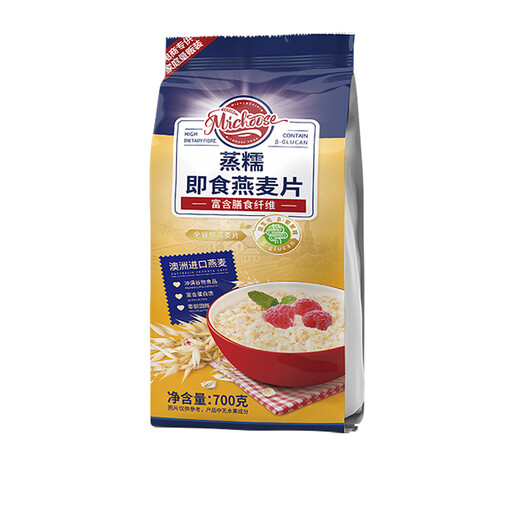
Why This Fits Their Persona: For those with hectic mornings, this instant oatmeal offers a nourishing breakfast in just one minute. It provides a blank canvas for you to add your own toppings, like fruit or nuts, without any pre-added sugars.
It sidesteps the "Convenience Tax" by coming in a large 700g bag, offering better value than single-serving pots. It also avoids the "Healthy Illusion" with a single ingredient: 100% pure oatmeal.
Zero additives, colours or flavours. A good source of dietary fibre (9.9g per 100g) and protein (12.2g per 100g).
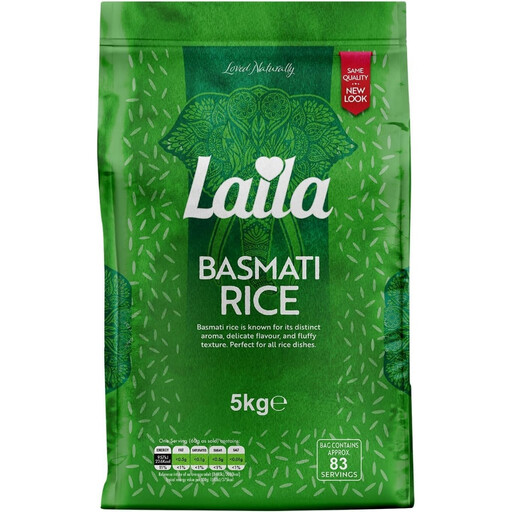
Why This Fits Their Persona: A large 5kg bag of basmati rice is one of the most practical pantry staples UK households can have. It offers great value and versatility for countless meals, from curries and stir-fries to a simple side dish.
This directly solves the "Wrong Grain for the Job" pitfall by providing a quality basmati rice known for its fluffy, separate grains. Buying in bulk also provides excellent cost-per-serving, avoiding the convenience tax.
100% pure basmati rice. The large pack size is economical for families and ensures the pantry is always stocked.

Why This Fits Their Persona: This cereal is a great fit for those looking to increase their protein intake. It provides a familiar breakfast format but is specifically enhanced with wheat protein crispies to support an active lifestyle.
It counters the "Healthy Illusion" by delivering a verifiable high-protein content (19g per 100g) and keeping sugar levels low (4.7g per 100g). The claims are backed by clear nutritional facts.
High in protein and fibre (9.9g per 100g). Made with wholegrain wheat and fortified with iron, niacin and other B vitamins.
We have compiled a complete, real-time list of products that fully satisfy these strict selection criteria and UK safety regulations.
While not strictly necessary, fortified baby cereal is a convenient way to ensure your baby gets important nutrients like iron, which is crucial for cognitive development. The NHS recommends introducing solid foods around 6 months. When choosing a baby cereal, such as Nestlé's Cerelac range, look for one that is iron-fortified and low in sugar to complement a varied weaning diet. It should be considered a complementary food, not a substitute for breast milk or formula.
Plain instant porridge is a fantastic base. To enhance the flavour without adding refined sugar, consider mixing in a variety of toppings. Fresh or frozen berries, sliced banana, a sprinkle of cinnamon or nutmeg, a spoonful of nut butter or a handful of seeds can all add flavour, texture and extra nutrients to your morning bowl.
The main difference lies in the processing. Pearl barley has had its outer husk and bran layers polished off. This makes it cook faster and gives it a softer texture, which is ideal for bulking up soups and stews. Pot barley is less processed, with only the tough outer husk removed, so it retains more nutrients and fibre but requires a longer cooking time.