
24/7 Customer Support

Free returns

Same-day & Next-day Delivery

Quality Guaranteed

Unlock Your Welcome Offers: FREE Delivery | Up to 80% OFF | Free 30-day JoyPlus trial
Download the APP
Navigating the world of Champagne can feel overwhelming. With countless labels, styles and price points, it's easy to feel pressured into choosing a bottle based on its famous name or high price, only to be underwhelmed. As the Joybuy Product Recommendation Officer, my role is to help you see past the marketing and make a choice that genuinely suits your occasion, taste and budget. Many shoppers fall into common traps, but with a little guidance, you can confidently select the perfect bottle.
The most frequent pitfall is equating price with quality. A hefty price tag or a globally recognised brand doesn't automatically guarantee it's the right Champagne for you. Another common misstep is overlooking the wine's style. Many people default to buying Brut Champagne without realising the subtle but significant differences in sweetness and flavour profile that could make or break their enjoyment.
Before you buy Champagne online, let's look at two frequent mistakes that lead to disappointment and wasted money:
To make an informed choice, focus on these two core parameters. They are far more telling than a fancy foil wrapper.
The sweetness of Champagne is determined by its residual sugar, measured in grams per litre. Understanding this scale helps you match a bottle to your personal taste or food pairing.
The flavour profile of a Champagne is largely defined by the grapes used. The three principal varieties are:
A Champagne made from 100% Chardonnay is a Blanc de Blancs ("white from whites"), known for being light and elegant. One made only from black grapes is a Blanc de Noirs ("white from blacks"), which is often richer and more full-bodied. Most Non-Vintage (NV) bottles are a blend of all three, crafted to achieve a consistent and balanced house style.
Here are a few selections matched to different needs, helping you find the right bottle for any event, from a large wedding to an intimate celebration.
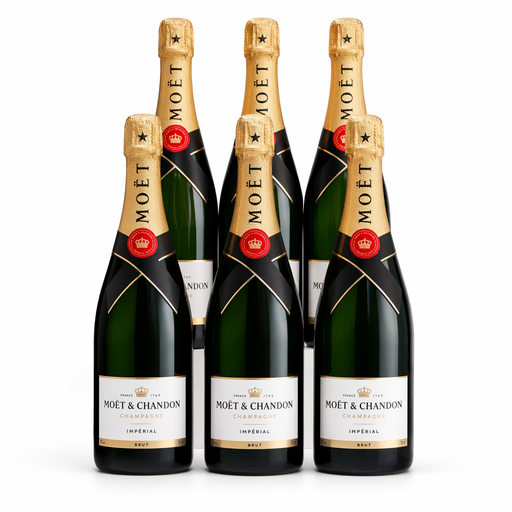
Why This Fits Their Persona: When planning a wedding or corporate event in the UK, consistency and crowd-pleasing appeal are paramount. It's a globally recognised symbol of celebration, ensuring guests feel valued and its balanced profile suits a wide range of palates.
It sidesteps the "famous label" fallacy by leveraging the brand's reliability for a large group. Buying a case of Champagne provides better value per bottle, making a premium choice more economical for a big event.
Features a harmonious blend of all three grapes, with notes of green apple and citrus. Its consistent quality makes it a dependable choice for any large-scale celebration, especially for wedding Champagne.

Why This Fits Their Persona: For a special anniversary or milestone birthday, a standard bottle might not feel unique enough. A Rosé Champagne offers a visually striking and flavourful alternative. This makes an excellent Champagne gift set idea when paired with quality glasses, showing thoughtfulness beyond the default choice.
This choice directly counters the trap of defaulting to a standard Brut. By selecting a Rosé, you are actively considering the recipient's potential preference for a fruitier, more expressive style, making the gift more personal.
Its luminous salmon-pink hue is immediately appealing. The palate is dominated by notes of ripe strawberry and raspberry, balanced by crisp acidity. It's a vibrant and sophisticated choice that stands out.
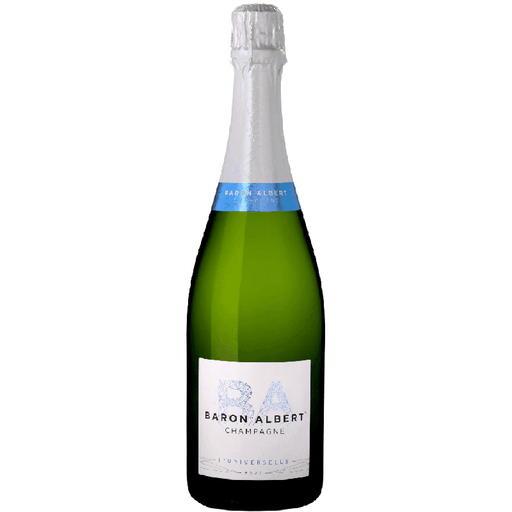
Why This Fits Their Persona: This shopper wants the authentic Champagne experience without the premium price of the most famous houses. They appreciate craftsmanship and story. This bottle comes from a historic, family-run vineyard, offering genuine provenance and quality that punches above its price point.
This is the perfect antidote to the "famous label" fallacy. It proves that excellent, characterful Champagne can be found by looking beyond the big names, delivering a high-quality experience without the associated marketing costs.
It has a delightfully dry profile with abundant fruity notes and a light, fresh body. It represents great value and is a versatile companion for a wide range of foods, from seafood to mushroom risotto.
We have compiled a complete, real-time list of products that fully satisfy these strict selection criteria and UK safety regulations.
1. How long does Champagne last once opened? Once a bottle of Champagne is opened, its signature effervescence begins to fade. To preserve the bubbles for as long as possible, you must use a dedicated Champagne stopper that clamps onto the bottle neck. A regular wine cork will not work. Stored this way in the refrigerator, you can expect the Champagne to retain a pleasant fizz for up to three days.
2. What is the difference between Champagne and Prosecco? The primary differences are origin, grape variety and production method. True Champagne can only come from the Champagne region of France and is made with Chardonnay, Pinot Noir and Pinot Meunier grapes using the traditional method (méthode champenoise), where the second fermentation happens inside each bottle. Prosecco is from specific regions in Italy, is made primarily from the Glera grape and typically uses the tank method (Charmat method), where the second fermentation occurs in large vats. This generally makes Prosecco fruitier, lighter and less expensive to produce.
3. Is buying a case of Champagne cheaper? In most cases, yes. Purchasing a case of Champagne, which usually contains six bottles, typically results in a lower price per bottle compared to buying them individually. This makes it a very economical choice when planning for a party, stocking up for the holidays or looking for wedding Champagne deals. When you search to buy Champagne online, look for "case deal" options to secure the best value.