
24/7 Customer Support

Free returns

Same-day & Next-day Delivery

Quality Guaranteed

Unlock Your Welcome Offers: FREE Delivery | Up to 80% OFF | Free 30-day JoyPlus trial
Download the APP
Buying sparkling wine online should be straightforward, but product pages often blur important differences between Champagne, Prosecco, Cava and other premium sparkling wine. If you are ordering for a wedding, anniversary, dinner party or gift, the attractive label is only part of the decision.
This guide explains what to check before you buy Champagne online UK shoppers can enjoy responsibly, including style, bottle quantity, alcohol information, storage and value.
The word Champagne refers to wine produced in the Champagne region of France under its applicable production rules. A Prosecco rosé, Cava Brut or Asti DOCG can still suit a celebration, but each has a different origin, grape profile and production method.
For example, Codorníu Vintage Cava Brut is made in Spain, while Marchesini Asti DOCG comes from Italy. Chapel Down Brut NV is English sparkling wine. These are alternatives rather than Champagne, so compare them by style and occasion rather than treating the names as interchangeable.
A non-vintage Champagne blends wines from different harvests to maintain a house style. It is often a practical choice for entertaining because the bottle is intended to offer a consistent, ready-to-enjoy profile.
A vintage Champagne is made around a stated harvest year and may offer a more specific expression of that season. It can be a thoughtful anniversary or milestone gift, but check the vintage information on the listing and packaging before ordering. Do not assume that “vintage” automatically means the wine will suit every palate.
A Champagne case deal may reduce the cost per bottle, but only if you have enough guests, storage space and a realistic use for the quantity. Check whether the listing is for one 75cl bottle or multiple bottles, and compare the total price rather than the headline discount.
Alcohol details also matter. Many 75cl bottles contain around 8–9 UK units, depending on the alcohol percentage. Every purchase is restricted to adults aged 18 and over. Check the product page, label and delivery terms before placing an order.
“Brut” is a useful starting point for shoppers who want a drier sparkling wine. Brut Champagne is commonly chosen for receptions, seafood, canapés and general entertaining. Rosé Champagne brings red-fruit character and a pink colour, making it suitable for gifts or occasions where presentation matters.
Asti DOCG is typically associated with a sweeter, aromatic style, while Prosecco rosé often offers fresh fruit and floral notes. Select according to the recipient’s taste rather than relying on packaging or brand familiarity.
Champagne commonly uses Chardonnay, Pinot Noir and Pinot Meunier. Chardonnay may contribute freshness, while Pinot Noir and Pinot Meunier can add structure and fruit character. The balance varies by house and cuvée.
Traditional-method sparkling wines undergo a secondary fermentation in the bottle. Jacquart Brut Mosaïque NV and Chapel Down Brut NV are described as being made using this approach. Cava is also produced using a traditional method, whereas Prosecco generally uses a tank-based method. These production differences can influence texture, aroma and price.
Check the ABV, bottle size and allergen statement before buying. Wine products may contain sulphites, which must be declared. Some listings also provide nutrition information per 100ml, helping you compare products more clearly.
Store unopened bottles in a cool, dark place away from direct sunlight and sudden temperature changes. Follow the packaging instructions, as storage recommendations can vary. Once opened, use a suitable sparkling-wine stopper, refrigerate the bottle and aim to drink it within one to three days while the carbonation remains lively.
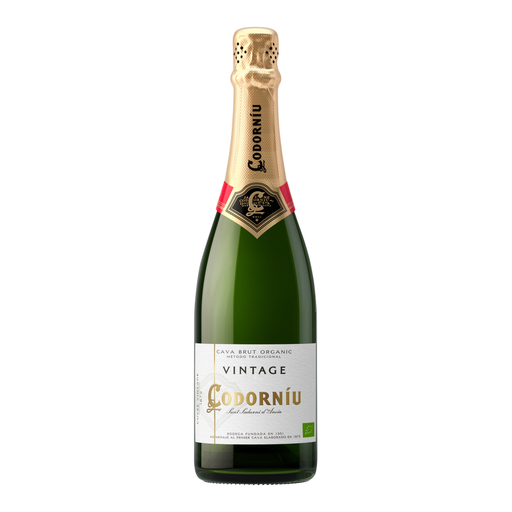
Why This Fits Their Persona: A 75cl Spanish Cava for shoppers who want a traditional-method sparkling wine for casual hosting, dinner or a first celebration purchase.
The listing clearly identifies it as Cava from Spain, so shoppers can compare it honestly with Champagne instead of paying for a misleading category assumption.
Traditional-method production; 11% ABV and 8.3 UK units per bottle are stated in the product information.

Why This Fits Their Persona: A recognised non-vintage Champagne for formal gifting, anniversaries or serving alongside a multi-course meal.
Its listing identifies the wine as Special Cuvée NV and states a 12% alcohol percentage, helping shoppers distinguish it from a vintage bottle.
75cl format; product information states over 85% Grand and Premier Crus and a substantial proportion of reserve wines.
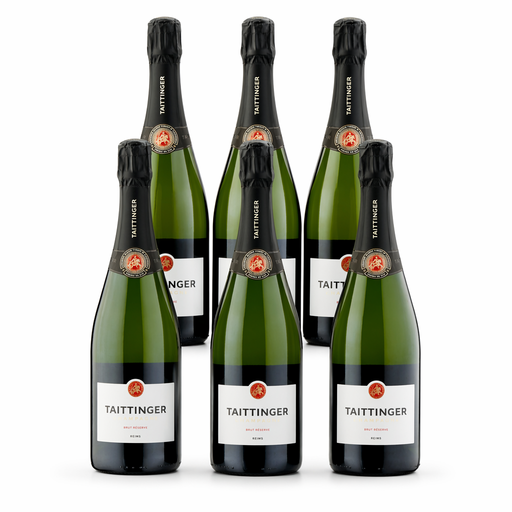
Why This Fits Their Persona: A case format for weddings, larger receptions and hosts who regularly serve celebration drinks to multiple guests.
The case format makes the quantity visible before purchase, reducing the risk of ordering too few bottles for a planned event.
75cl bottles; a Brut NV style with stated 12.5% alcohol content, suitable for comparing case quantities.

Why This Fits Their Persona: A rosé Champagne with a distinctive colour for birthdays, anniversaries, engagement celebrations or Champagne gifts.
The product is clearly identified as rosé Champagne, so it can be compared with white Brut and other rosé styles on the basis of colour and flavour profile.
75cl bottle; blend includes Pinot Noir, Pinot Meunier and Chardonnay; listed at 12% ABV.
We have compiled a complete, real-time list of products that fully satisfy these strict selection criteria and UK safety regulations.
With a proper sparkling-wine stopper and refrigeration, an opened bottle is generally most enjoyable within one to three days. Without a stopper, carbonation fades more quickly. Keep the bottle cold and handle it carefully.
Keep it away from sunlight, heat and vibration. Follow the product label, particularly for bottle position and recommended temperature. Chill shortly before serving rather than storing it in a freezer.
It may reduce the per-bottle cost, but compare the total price, bottle count and delivery terms. A case makes practical sense when you are catering for a sizeable gathering or regularly serve sparkling wine. Buy only the quantity you can store safely and use responsibly.
All alcohol products featured are for adults aged 18 and over. Drink responsibly, never drink and drive, and follow UK guidance on alcohol consumption.