
24/7 Customer Support

Free returns

Same-day & Next-day Delivery

Quality Guaranteed

Unlock Your Welcome Offers: FREE Delivery | Up to 80% OFF | Free 30-day JoyPlus trial
Download the APP
When you buy champagne online in the UK, an attractive label and familiar house name do not always tell you whether the bottle suits your occasion. The main differences are often hidden in the style, bottle format, sweetness level, delivery conditions and quantity you actually need.
This guide from the Joybuy Product Recommendation Officer filters the practical details that matter, helping you compare Champagne, sparkling wine and gift options without relying on inflated marketing language.
Only wine produced in the Champagne region of France under the applicable appellation rules can be labelled Champagne. Other bottles may use traditional bottle fermentation or similar grape varieties, but they are still sparkling wine rather than Champagne.
Asti sparkling wine, for example, is an Italian style that is generally lighter, fruitier and lower in alcohol than many Brut Champagne bottles. It can be suitable for casual gatherings, but it is not a substitute if the recipient specifically expects Champagne.
Moët & Chandon Champagne, Bollinger Champagne, Taittinger Champagne, Veuve Clicquot Champagne and Lanson Champagne are recognised names, but house style still varies. A prestige label may not suit someone who prefers a lighter, fruit-forward drink, while a value-focused shopper may not need a premium Champagne for a large party.
Check the style, grape blend, alcohol percentage and serving occasion rather than assuming a familiar name is automatically the right choice.
A standard champagne 75cl bottle provides approximately six 125ml glasses, depending on pouring size. Buying individual bottles for a larger gathering can cost more than a champagne case deal, but a case may be unnecessary for a small dinner or gift.
Online shoppers should also check delivery timing, packaging and storage. Keep unopened bottles in a cool, dark place away from sunlight and sharp temperature changes. Follow the product label where storage instructions differ.
Champagne is commonly made from Chardonnay, Pinot Noir and Pinot Meunier. Chardonnay can contribute freshness and citrus character; Pinot Noir can add structure and red-fruit notes; Pinot Meunier often provides roundness and approachability.
The blend is not a simple quality ranking. It is a useful indicator of whether the bottle may feel bright and lean, rounded and fruity or more structured.
Most bottles in this selection sit around 12% to 12.5% ABV, although Asti can be lower. Always check the product page and packaging for the current information.
Champagne and sparkling wine commonly contain sulphites, which must be declared as an allergen. Alcohol products in the UK are for customers aged 18 and over. Drink responsibly, and do not drink during pregnancy.
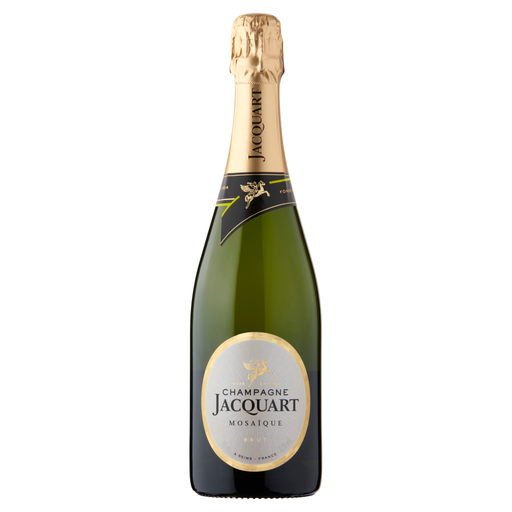
Why This Fits Their Persona: A non-vintage Brut bottle for shoppers seeking a Champagne suitable for hosting, gifting or a first comparison purchase.
The listing identifies the 75cl format, Brut style, 12.5% ABV and sulphite allergen information.
Blend of Chardonnay, Pinot Noir and Meunier; suitable for vegetarian and vegan shoppers according to the supplied product details.

Why This Fits Their Persona: A premium Champagne option for formal dinners, milestone gifts and shoppers comparing established house styles.
The product information states that reserve wines form a large proportion of the blend, rather than relying only on packaging language.
Contains wine from France; 75cl bottle; listed at 12.0% ABV with sulphites declared.

Why This Fits Their Persona: The rosé format provides a distinct colour and red-fruit-led style for anniversaries, date-night meals and Champagne gifts.
It is clearly identified as rosé Champagne, so shoppers are not left guessing from the bottle colour or gift packaging.
75cl bottle; 12% ABV; product details list Pinot Noir, Pinot Meunier and Chardonnay.
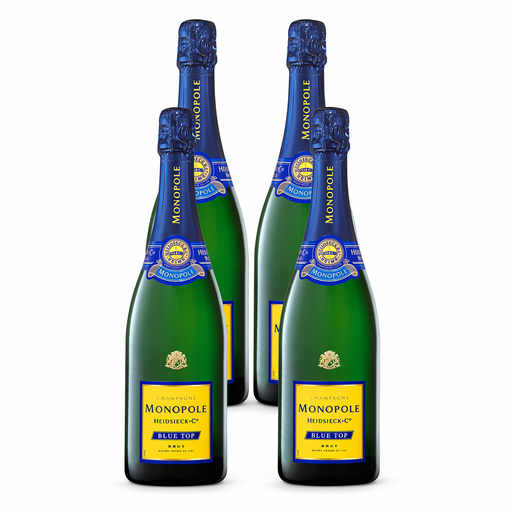
Why This Fits Their Persona: A case format is practical for hosts planning several events, larger celebrations or regular entertaining.
The case listing makes the larger purchase format visible, helping shoppers compare total quantity rather than only the single-bottle price.
Brut style from France; 12% ABV; product details list a blend of Chardonnay, Pinot Noir and Pinot Meunier.
We have compiled a complete, real-time list of products that fully satisfy these strict selection criteria and UK safety regulations.
For most Brut Champagne, serve chilled rather than heavily iced for a long period. Open carefully by keeping the cork pointed away from people and holding the cork while turning the bottle. A sparkling wine stopper can help preserve freshness after opening; refrigerate and follow the product guidance for consumption.
For a Champagne gift, check whether the recipient prefers Brut, rosé, vintage or a sweeter sparkling style. A bottle bag or presentation box may improve the gifting experience, but the wine specifications should remain the priority.
Yes, provided the retailer follows UK alcohol sales requirements and the purchaser is aged 18 or over. Check delivery information, product labelling, allergens, ABV and responsible-drinking guidance before ordering.
A 75cl bottle usually provides around six 125ml servings. The exact number depends on glass size and pouring style, so plan additional bottles for larger gatherings.
Once opened, Champagne gradually loses its carbonation. Reseal it with a suitable sparkling wine stopper, refrigerate it and follow the product instructions. For the freshest experience, consume it within the recommended period shown on the label or product page.