
24/7 Customer Support

Free returns

Same-day & Next-day Delivery

Quality Guaranteed

Unlock Your Welcome Offers: FREE Delivery | Up to 80% OFF | Free 30-day JoyPlus trial
Download the APP
Ordering a bottle online can be convenient, but attractive labels and polished descriptions do not always tell you what matters. When you buy champagne and sparkling wine online, the key differences are usually origin, production method, sweetness, bottle size, alcohol content and delivery suitability.
A practical comparison helps you avoid paying premium prices for a style that does not suit the occasion.
Only sparkling wine produced in the Champagne region of France can be labelled Champagne. French Champagne, Italian Prosecco and Spanish Cava are made in different regions and often use different grapes and production methods.
A higher price does not automatically mean a better match for your menu or guests. Prosecco may suit a light brunch, while Cava can provide traditional-method character at a different price point. Champagne is often selected for formal gifting, milestone celebrations and premium presentation.
Brut Champagne, Prosecco Brut and Cava Brut are generally dry styles, but the final taste can still vary. Grape varieties, acidity, production method and maturation influence whether a bottle feels crisp, fruity, creamy or toasty.
For example, Prosecco commonly offers fresh pear, apple and floral notes, while Champagne may show citrus, brioche or mineral characteristics. Look beyond the word “Brut” and check the listed tasting profile and food pairings.
A case deal can reduce the cost per bottle, but only if you have enough occasions to use it. Sparkling wine is sealed under pressure and should be handled carefully. Check whether the listing is for one sparkling wine 75cl bottle or multiple bottles, and consider available storage space before ordering.
For unopened bottles, follow the product’s storage guidance. A cool, dark location away from strong odours and temperature changes is generally preferable. Once opened, use a suitable sparkling wine stopper and refrigerate the bottle; the bubbles are usually freshest within one to three days.
The method and origin help explain the price, flavour and suitability for a particular event. They are more useful comparison points than packaging language alone.
Brut styles are commonly chosen when you want a dry-tasting bottle for aperitifs, seafood, canapés or sharing plates. Check the product listing for ABV, especially when buying several bottles. The products in this selection range from approximately 10.5% to 12.5% alcohol by volume.
Serve most sparkling wines well chilled. Several listings recommend around 6–8°C, while some Champagne styles may be served slightly warmer, around 8–10°C, to allow more aroma to develop. Open carefully, keeping the bottle pointed away from people and avoiding vigorous shaking.
A standard 75cl bottle contains around six 125ml glasses, depending on pouring size. Alcohol units differ by ABV, so check the product information rather than relying on the bottle format alone. All the wines below list sulphites or sulphur dioxide as an allergen.
UK customers must be aged 18 or over to purchase alcohol. Do not drink during pregnancy, drive after drinking or exceed personal limits. The UK Chief Medical Officers advise not regularly exceeding 14 units per week.
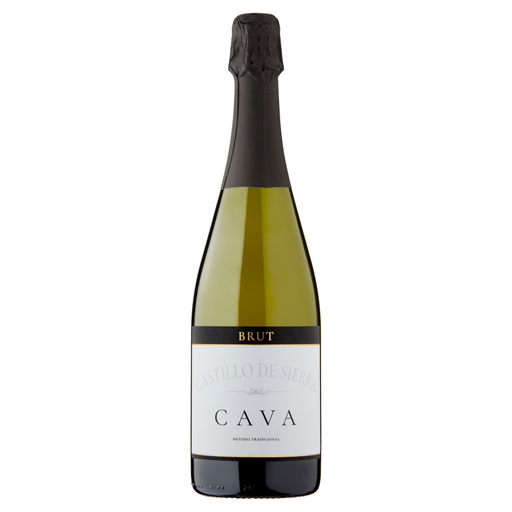
Why This Fits Their Persona: A Spanish Brut sparkling wine for shoppers who want a straightforward bottle for casual celebrations, brunch or light appetisers without moving directly to premium Champagne.
The listing clearly identifies Spain as its country of origin, 11.5% ABV and 75cl format, so it is not presented as Champagne by implication.
Fresh apple, citrus and pear notes; suitable as an aperitif or with seafood and mild cheeses.
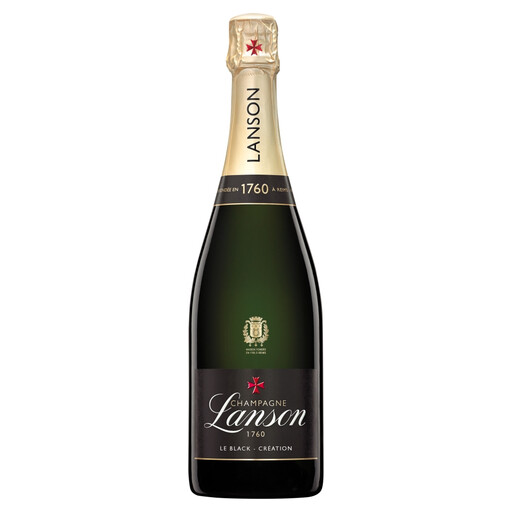
Why This Fits Their Persona: A non-vintage Brut Champagne from France for formal dinners, milestone toasts or shoppers seeking a recognisable premium presentation.
The product details specify the Champagne region, 12% ABV, 75cl quantity and grape blend rather than relying only on premium-looking packaging.
Blend of Pinot Noir, Pinot Meunier and Chardonnay; listed for seafood, white meat, cheese and sharing plates.
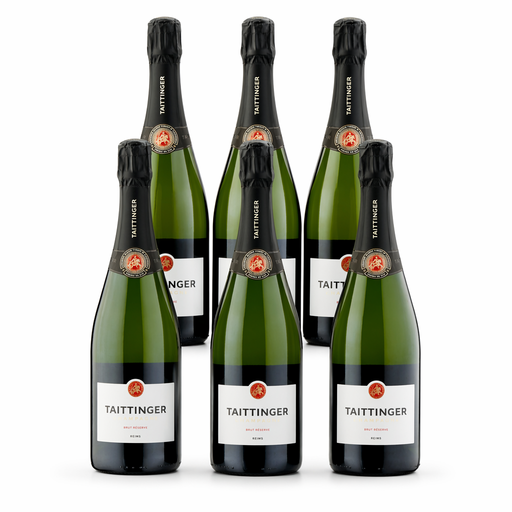
Why This Fits Their Persona: A case format for hosts arranging multiple dinners, parties or celebratory drinks who want matching 75cl bottles available for guests.
The case quantity is stated in the product name, helping shoppers compare case deals with individual bottles and calculate practical requirements.
Non-vintage Brut Champagne; blend information includes Pinot Noir and Chardonnay, with a listed 12.5% ABV.

Why This Fits Their Persona: A 75cl Italian Prosecco for relaxed gatherings, spritz-style cocktails, weekend meals or customers who prefer a lighter 11% ABV option.
The listing identifies Glera grapes, Veneto origin, 11% ABV and 75cl quantity, making the style and format clear before purchase.
Fresh, dry and fruity profile; listed as suitable for vegetarians and vegans.
We have compiled a complete, real-time list of products that fully satisfy these strict selection criteria and UK safety regulations.
It depends on the occasion and your preferred flavour profile. Champagne is associated with the Champagne region of France and often offers developed citrus, brioche or mineral notes. Prosecco commonly focuses on fresh fruit and floral aromas, while Cava can provide traditional-method character from Spain. Compare origin, production method, ABV and price per bottle rather than assuming one style suits every event.
A 75cl bottle provides approximately six 125ml servings. Smaller or larger pours will change the total. For a dinner or party, estimate the number of guests, whether other drinks will be served and whether you are buying individual bottles or a case.
Keep unopened bottles in a cool, dark place away from direct sunlight, strong odours and sudden temperature changes. Follow the product’s specific guidance regarding bottle position. Chill thoroughly before opening, handle the cork and wire cage carefully, and refrigerate any remainder with a sparkling wine stopper. Always check the label for allergens, alcohol units and responsible-drinking information before serving.