
24/7 Customer Support

Free returns

Same-day & Next-day Delivery

Quality Guaranteed

Unlock Your Welcome Offers: FREE Delivery | Up to 80% OFF | Free 30-day JoyPlus trial
Download the APP
Chardonnay. It’s a name that everyone knows, but a wine that can be surprisingly difficult to get right when you buy Chardonnay online. One person’s idea of a perfect glass is a rich, buttery drop, while another is seeking a zesty, crisp white wine. This variety in style is Chardonnay’s greatest strength, but it’s also the source of common shopping pitfalls that can lead to disappointment.
As the Joybuy Product Recommendation Officer, my role is to help you navigate the options and find a wine that truly suits your palate. Let's look at the frequent missteps and how to sidestep them, ensuring your next bottle is exactly what you were hoping for.
Many shoppers fall into a few predictable traps, often swayed by vague labels or outdated reputations. Here’s what to watch out for:
To make a confident choice, focus on two fundamental characteristics that define a Chardonnay's style.
This is the single most important factor determining the wine's flavour and texture.
Where the grapes are grown has a massive impact on the final taste.
To help you find your match, we've selected a few bottles that align with different tastes and occasions, all available to order online.
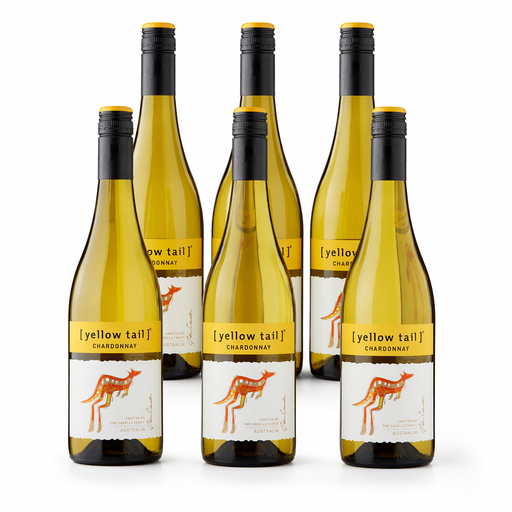
Why This Fits Their Persona: You're looking for a reliable, crowd-pleasing white for a casual Friday night or to have on hand for unexpected guests. This Australian Chardonnay is consistently smooth, fruity and approachable, making it a household favourite across the UK.
It avoids any style confusion. This is a classic, warm-climate Australian Chardonnay. You know to expect ripe peach and melon flavours with a hint of vanilla—no surprises, just dependable quality.
Excellent value and consistency. Buying a Chardonnay case deal ensures you're stocked up with a versatile wine that pairs well with chicken or creamy pasta dishes.
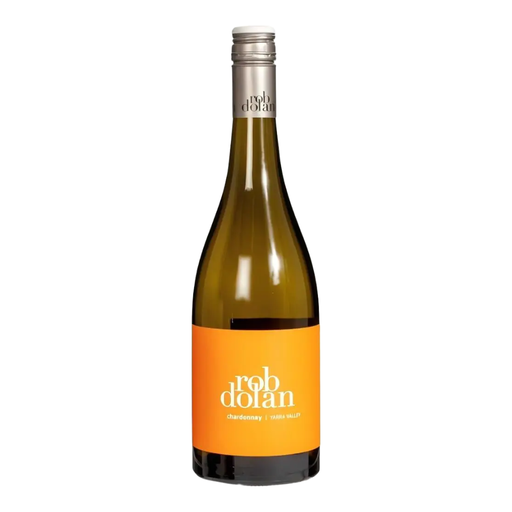
Why This Fits Their Persona: You want to serve something with a bit more elegance and complexity that will impress guests and pair beautifully with food. This wine from Australia's cool-climate Yarra Valley is a step up in sophistication.
This sidesteps the "Region Roulette" trap. Instead of a generic label, you're getting a wine from a specific, highly regarded cool-climate region known for producing premium Chardonnay. The flavour notes are precise, not vague.
It offers a superb balance of vibrant fruit (quince, grapefruit), fresh acidity and well-integrated oak. It's complex enough for enthusiasts but remains approachable and food-friendly.
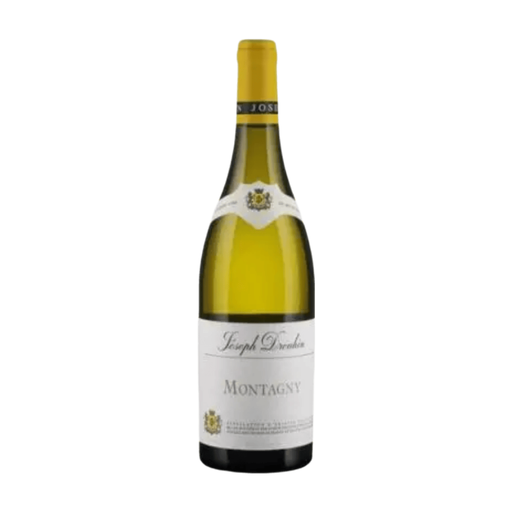
Why This Fits Their Persona: You appreciate the classic, mineral-driven style of French Chardonnay and seek the elegance and terroir-expression that Burgundy is famous for. This wine is for those who prefer finesse over overt fruitiness.
This directly counters the "Buttery or Bust" myth. It is a prime example of a restrained, elegant Burgundian style where the oak is used to add texture, not to dominate. The profile is crisp, with a chalky minerality.
It represents the benchmark style for high-quality oaked Chardonnay from France. Expect notes of golden apple, fresh almond and a refined, sustained finish that speaks of its origin.
We have compiled a complete, real-time list of products that fully satisfy these strict selection criteria and UK safety regulations.
Yes, but the ideal temperature depends on the style. Lighter, unoaked Chardonnays are best served well-chilled, around 9-12°C, to highlight their freshness. Fuller-bodied, oaked Chardonnays benefit from being served slightly warmer, at 12-14°C. This allows their complex aromas of oak, butter and spice to open up. Over-chilling a rich Chardonnay can mute its flavours.
While it's a generalisation, there are classic stylistic differences. Traditional French Chardonnay, especially from Burgundy, often emphasises minerality, higher acidity and flavours of green apple and citrus. Australian Chardonnay, particularly from warmer regions, tends to be more fruit-forward with notes of peach and melon, and oaked versions can have more pronounced vanilla notes. However, many modern Australian producers in cool-climate areas are now crafting wines with more restraint and elegance, blurring the lines.
Once opened, a bottle of Chardonnay should be sealed with its cork or a wine stopper and stored in the refrigerator. It will generally remain fresh for 2 to 4 days. After this period, the wine will begin to oxidise, causing its bright fruit flavours and aromas to fade.