
24/7 Customer Support

Free returns

Same-day & Next-day Delivery

Quality Guaranteed

Unlock Your Welcome Offers: FREE Delivery | Up to 80% OFF | Free 30-day JoyPlus trial
Download the APP
Navigating the world of chilli sauce can feel like a journey in itself. When you decide to buy chilli sauce online, you're met with a vast array of options, from fiery hot sauce and complex pastes to sweet jams and aromatic oils. How do you choose the right one for your stir-fry, your marinade or simply for dipping your chips?
This guide is designed to help you cut through the clutter. As the Joybuy Product Recommendation Officer, my role is to provide clear, practical advice to help you select the perfect spicy condiments for your kitchen. We will explore different types of chilli-based sauces, what to look for when purchasing and highlight a few noteworthy options available today.
Finding the right chilli sauce is about more than just heat. To make a confident choice, consider these key factors.
The texture and form of a chilli condiment often dictate its primary use. Understanding the difference is key to culinary success.
hot sauce, are typically vinegar-based and are excellent for dashing over eggs, tacos or oysters to add a sharp, spicy kick.cooking sauces, stews and marinades. They dissolve into dishes, providing deep, integrated flavour and colour.The most interesting chilli sauces offer a complex flavour profile. While heat level is important, consider the other notes you might enjoy. An artisan hot sauce or gourmet chilli sauce might feature smoky notes from chipotles, fruity tones from habaneros, tangy brightness from vinegar or a deep, savoury umami from fermented ingredients. The famous "mala" flavour from Sichuan cuisine, for instance, provides a unique tingling numbness alongside its spiciness.
A quick look at the ingredients can tell you a lot about the quality of a sauce. Look for products where chilli peppers are a primary ingredient, rather than water or sugar. Fewer artificial preservatives, colours and flavour enhancers often indicate a higher-quality product focused on authentic taste.
Based on their distinct flavour profiles and culinary applications, here are four different types of chilli condiments worth considering for your pantry.
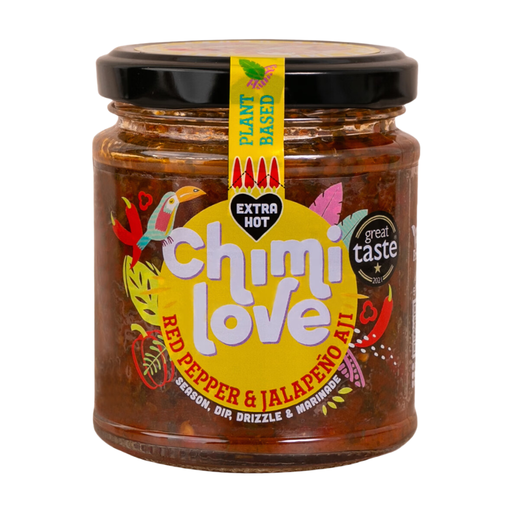
dipping sauce and a cooking ingredient.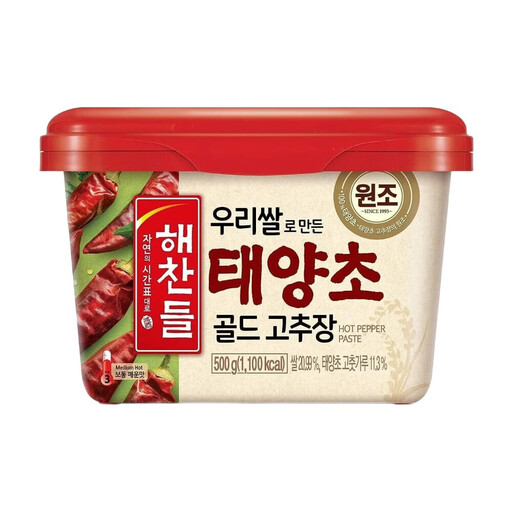
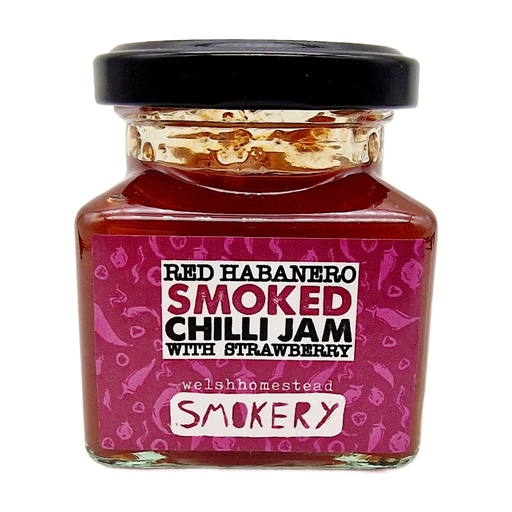
gourmet chilli sauce to elevate cheese boards, sandwiches or to use as an inventive glaze. It's a great example of an artisan hot sauce in a jam format.
These four selections represent just a fraction of the exciting world of chilli. Each offers a different experience, from the fresh tang of aji to the deep umami of gochujang. If you're still exploring or have a different flavour profile in mind, there are many more options to discover.
For a wider selection of cooking sauces and other condiments, feel free to browse our full collection of spicy red peppers.
1. What is the difference between chilli sauce and hot sauce? "Chilli sauce" is a very broad category that includes any sauce where chilli peppers are a main ingredient. This covers pastes, jams and oils. "Hot sauce" usually refers to a specific type of thinner, often vinegar-based sauce that is meant to be dashed onto finished food for an extra kick of heat and acidity.
2. How should I store my chilli sauce after opening? For most commercially produced chilli sauces, pastes and jams, it is advisable to store them in the refrigerator after opening. This helps to preserve their colour, flavour and freshness for longer. Always use a clean utensil to prevent contamination. Check the product label for specific storage instructions.
3. Can I cook with all types of chilli sauce? While most can be used in cooking, their properties differ. Thick pastes like gochujang are specifically designed to be integrated into dishes during the cooking process. Thinner hot sauces can sometimes have their flavour altered by high heat, making them better as a finishing touch. Oils are almost always used at the end of cooking to preserve their delicate aromas, while jams are excellent for glazing in the final stages of roasting or grilling.