
24/7 Customer Support

Free returns

Same-day & Next-day Delivery

Quality Guaranteed

Unlock Your Welcome Offers: FREE Delivery | Up to 80% OFF | Free 30-day JoyPlus trial
Download the APP
Navigating the world of Chinese alcohol in the UK can be a rewarding journey, whether you're seeking a unique gift for the Mid-Autumn Festival, an authentic ingredient for your cooking or a remarkable spirit to add to your collection. However, the growing market also presents pitfalls for the unwary buyer. It's easy to be swayed by elaborate packaging or confusing labels, leading to a purchase that doesn't meet your expectations.
As a Joybuy Product Recommendation Officer, my role is to help you see past the marketing jargon. Here, we'll look at the common traps to avoid and the key factors to consider, ensuring you can confidently buy baijiu online or select the perfect bottle for any occasion.
To make an informed choice, focus on these three fundamental parameters. They define the character, quality and purpose of any Chinese spirit.
This is the most important classification for baijiu, the national spirit of China. The aroma profile dictates the entire flavour experience. The main types you'll encounter are:
Just like Scotch whisky is tied to Scotland, the character of Chinese spirits is intrinsically linked to their ingredients and place of origin.
Finally, be clear about your goal.
To help you match a product to your needs, here are several recommendations based on different user profiles.
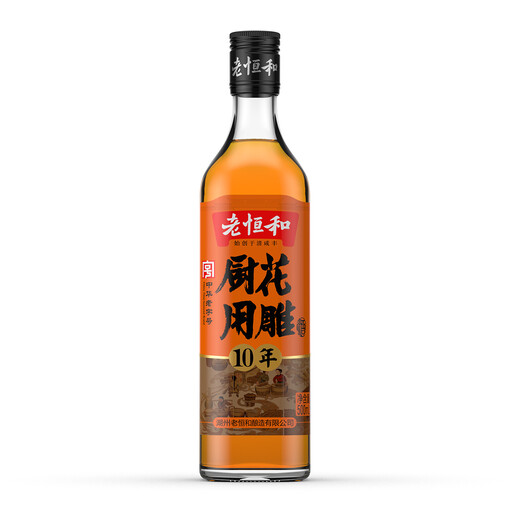
Why This Fits Their Persona: This is for the home cook who wants to create genuinely authentic Chinese dishes. Unlike basic cooking wines, this 10-year-old Huadiao wine from Zhejiang adds deep, nutty and caramelised notes to red-braised pork (Hong Shao Rou) or drunken chicken, without adding excess salt.
It directly solves the "Culinary Mix-Up" by being a genuine, aged Shaoxing rice wine suitable for high-quality cooking, not a generic, salted cooking liquor.
The 10-year aging process provides a depth of flavour that younger, un-aged cooking wines cannot match. It is made from rice and wheat, providing an authentic base.

Why This Fits Their Persona: For someone in the UK looking to explore premium baijiu beyond the entry-level, this is an excellent choice. As a light-aroma spirit, it is elegant and clean, making it more approachable than pungent sauce-aromas. The 20-year age statement offers genuine complexity and smoothness.
This product has a clear and significant age statement from a historic distillery, avoiding the "Vague 'Aged' Label" trap. The value is in the well-matured spirit, not just the beautiful ceramic bottle.
It offers a refined, smooth and clean taste profile characteristic of the light-aroma style. The 53% ABV provides warmth and body without being harsh, showcasing the quality of its 20-year aging.

Why This Fits Their Persona: For those seeking the pinnacle of Chinese spirits for a significant business gift, a cultural celebration or as a serious collection piece, Kweichow Moutai is the definitive choice. Its reputation is unparalleled, and it is the benchmark for sauce-aroma baijiu.
This avoids the "Packaging Premium" trap because the high value is intrinsically tied to the liquid itself. The brand's heritage, complex production and status as a collectible asset mean the price reflects the contents.
This is a globally recognised luxury spirit with significant cultural importance and collection potential. It delivers the iconic, complex sauce-aroma profile that defines the most premium category of baijiu.
We have compiled a complete, real-time list of products that fully satisfy these strict selection criteria and UK safety regulations.
They are two distinct categories of Chinese alcohol. Baijiu is a distilled spirit, typically made from sorghum, with a high alcohol content (usually 40-60% ABV). It is clear and comparable to vodka or whisky in strength. Shaoxing wine (Huangjiu) is a fermented beverage made from glutinous rice and wheat, with a much lower alcohol content (usually 14-20% ABV). It is amber in colour and has a flavour profile more akin to sherry.
Premium baijiu is traditionally served neat at room temperature in small, thimble-sized glasses. It is meant to be sipped slowly to appreciate its complex aroma and lingering finish. For a formal occasion, it is often enjoyed during a meal, with toasts being a central part of the experience. It is not typically used in cocktails, as this would mask its intricate flavours.
For many, yes. The Kweichow Moutai price is driven by high demand, limited production and its status as a luxury cultural icon. Certain vintages and special editions of collectible Moutai have shown a history of appreciating in value, similar to fine wines or rare whiskies. However, as with any collectible, value can fluctuate, and purchases should be made from reputable sources to ensure authenticity.