
24/7 Customer Support

Free returns

Same-day & Next-day Delivery

Quality Guaranteed

Unlock Your Welcome Offers: FREE Delivery | Up to 80% OFF | Free 30-day JoyPlus trial
Download the APP
Navigating the world of Chinese noodles online can feel overwhelming. You’re looking for that perfect texture for a rich broth or a hearty stir-fry, but the sheer variety is dizzying. Too often, UK home cooks end up with a pantry full of noodles that don’t live up to their promise, leading to disappointing meals.
As the Joybuy Product Recommendation Officer, my role is to help you sidestep common purchasing pitfalls. Many shoppers find themselves caught by two main issues:
This guide will break down the essential factors to consider, ensuring your next Chinese grocery delivery brings you the ideal noodles for your kitchen adventures.
To avoid disappointment, focus on two core parameters: the base ingredient and the noodle's form. These details determine everything from cooking time to the final texture and flavour profile.
The foundation of any noodle dictates its character. Understanding the base ingredient is the first step to choosing correctly.
The size and shape of the noodle are just as important as its ingredients. A mismatch here is the primary cause of texture failures.
Instead of a generic list, we've matched specific noodles to the needs of different UK home cooks.
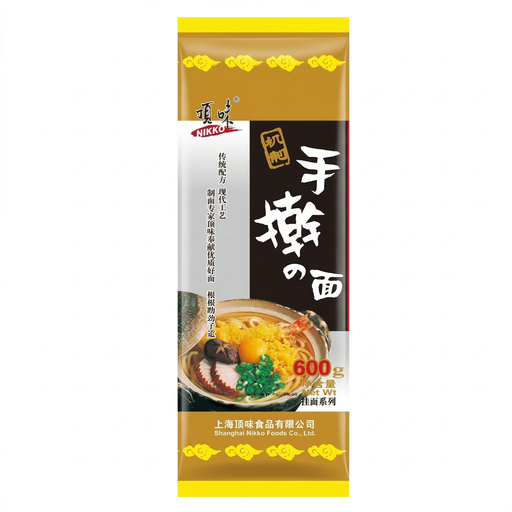
Why This Fits Their Persona: For the cook dedicated to recreating regional Chinese dishes, the texture is non-negotiable. These noodles are made to mimic traditional hand-stretched techniques, providing a wide, thick and chewy base that holds up beautifully in hearty soups or saucy tossed noodle dishes.
This noodle directly counters the "Authentic Texture Trap." Its formulation from premium wheat flour makes it resistant to overcooking, ensuring it maintains a satisfying, smooth chew rather than turning mushy.
It's a fresh wet noodle, meaning it cooks in just 3-5 minutes. Its versatility makes it a reliable foundation for a wide range of dishes, from Lanzhou beef noodles to a simple scallion oil noodle.

Why This Fits Their Persona: For students or professionals short on time, convenience is paramount. This is a complete instant noodle kit that delivers a flavourful, satisfying meal in under 10 minutes without turning on the hob. It's a significant step up from standard packet ramen.
This kit completely avoids the "Dish Mismatch" problem. The wide, chewy wheat noodles are specifically designed to be paired with the rich, creamy sesame and spicy chilli oil sauce provided, ensuring a perfect texture-to-sauce ratio every time.
Preparation is incredibly simple: just steep the noodles in boiling water, drain and mix with the sauce. It delivers an authentic Sichuan noodle flavour profile with minimal effort.
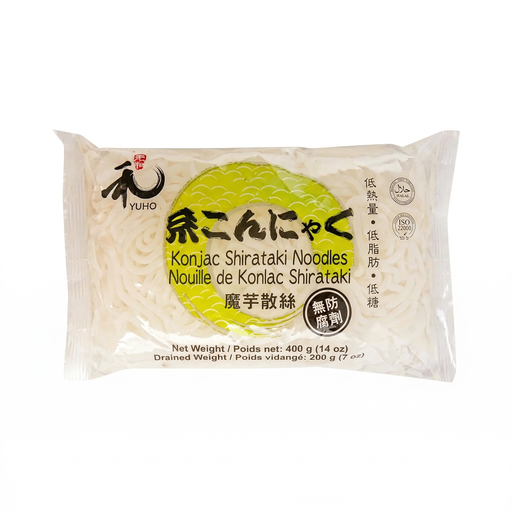
Why This Fits Their Persona: For those monitoring calorie or carbohydrate intake, traditional noodles can be a challenge. These konjac shirataki noodles are made from konjac flour, making them very low in calories and high in dietary fibre, offering a satisfying alternative for healthy meals.
This product sidesteps the texture trap by not trying to imitate wheat noodles. Its unique, springy and slightly gelatinous texture is its defining feature. You know you are buying a specific healthy alternative, not a subpar copy of a traditional noodle.
Extremely low in calories (around 12 kcal per 100g) and cooks in 1-2 minutes. Its neutral flavour makes it a fantastic carrier for bold sauces, and its fine shredded shape is perfect for soups and stir-fries.
We have compiled a complete, real-time list of products that fully satisfy these strict selection criteria and UK safety regulations.
1. How do I stop my noodles from getting sticky and clumping together? The key is to use a large pot with plenty of boiling water. This gives the noodles room to move and prevents the starches they release from making them stick. Stir the noodles gently right after you add them to the water. Once cooked, if you are not serving them immediately in a soup, rinse them briefly with cold water to wash off excess surface starch. Tossing them with a little oil can also help.
2. What is the main difference between rice noodles and wheat noodles? The primary difference is the base ingredient and resulting texture. Wheat noodles contain gluten, which gives them a characteristic chewy, springy and elastic quality. Rice noodles are gluten-free, making them softer and smoother. Wheat noodles are generally more robust, while rice noodles can be more delicate.
3. Can I use any type of Chinese noodle for a stir-fry? While many noodles can be stir-fried, some are better suited than others. For a successful stir-fry, you need a noodle that can withstand high heat and vigorous tossing. Look for noodles labelled specifically for stir-frying, or choose robust, thicker wheat noodles (like lo mein) or par-cooked wide rice noodles (héfěn). Very thin, delicate noodles like fine rice vermicelli tend to break apart.