
24/7 Customer Support

Free returns

Same-day & Next-day Delivery

Quality Guaranteed

Unlock Your Welcome Offers: FREE Delivery | Up to 80% OFF | Free 30-day JoyPlus trial
Download the APP
A small spoonful of crunchy, savoury Chinese pickled mustard can instantly elevate a simple bowl of rice, congee or noodles. Known in Mandarin as zha cai (榨菜), this classic condiment is a staple in many East Asian households. However, for those in the UK, navigating the options online or in local shops can be confusing. Vague labels and inconsistent quality can lead to disappointment, leaving you with a product that's either bland, overly salty or has an unpleasant texture.
As the Joybuy Product Recommendation Officer, my role is to help you sidestep these common issues. This guide will break down what to look for, ensuring you choose a flavourful, high-quality Sichuan preserved vegetable that brings that authentic taste of home, or a new and exciting flavour, to your kitchen table.
Many shoppers find that their purchase doesn't live up to expectations. This is often due to a few recurring problems that are easy to avoid once you know what they are.
To ensure you're getting a product you'll enjoy, focus on these three core parameters before you buy.
The type of vegetable used is the foundation of the pickle's texture and taste.
Chinese pickles are not a monolith. The seasoning blend completely changes the experience.
How the product is packaged affects its convenience and shelf life.
Based on these criteria, here are a few options tailored to different needs and preferences.

Why This Fits Their Persona: The multipack of individual 80g pouches is perfect for adding a quick flavour boost to a meal without committing to a large jar. It's hygienic, portable and ensures zero food waste—ideal for a fast-paced lifestyle.
This product delivers a consistently crunchy texture and a balanced, savoury flavour, avoiding the "one-note salt" trap. The label clearly states it is "Light Pickled Mustard Tubers".
Convenient, portion-controlled packaging that maintains freshness. A reliable and mild flavour that complements a wide range of dishes.

Why This Fits Their Persona: The 280g jar provides a generous amount for culinary experimentation. Its bold, spicy flavour profile is perfect for chopping into stir-fries, fried rice or noodle soups to add a powerful kick of flavour and texture.
This pickle avoids being one-dimensional by combining chilli, ginger and garlic for a complex heat. The label is clear about its "Spicy" nature and the use of kohlrabi (a type of mustard stem).
A robust, spicy flavour that stands up well in cooked dishes. The jar format is economical for those who use it as a regular cooking ingredient.
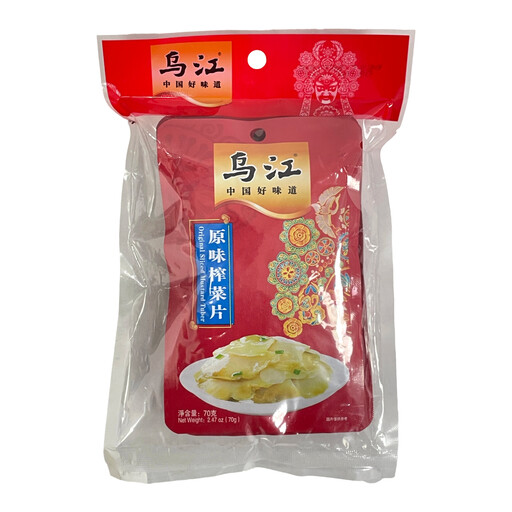
Why This Fits Their Persona: For those seeking the classic taste to accompany congee or steamed rice, this is the quintessential choice. The "Original Flavor" is reliably savoury and crisp, delivering the comforting, nostalgic taste many are looking for.
It avoids the pitfalls of vague labelling and inconsistent flavour by being exactly what it claims: a classic, savoury pickled mustard stem with a dependable crunch. It's the benchmark for this type of pickle.
Authentic, balanced flavour profile. Comes pre-sliced for immediate use as a condiment for congee or rice.
We have compiled a complete, real-time list of products that fully satisfy these strict selection criteria and UK safety regulations.
For both jars and pouches, once opened, the pickles should be stored in the refrigerator. If it came in a jar, ensure the lid is tightly sealed. If it was from a pouch, it's best to transfer any leftovers to a small, airtight container. To maintain the best flavour and texture, try to consume it within one to two weeks.
No, they are quite different. Zha cai specifically refers to Chinese pickled mustard, usually the stem, with a salty, savoury and often spicy flavour profile. Kimchi is a Korean staple made from fermented napa cabbage and Korean radish, seasoned with ingredients like gochugaru (chilli powder) and has a distinctly sour and spicy taste. Other Asian pickles, like Japanese tsukemono, also have their own unique ingredients and flavour profiles.
Absolutely. It's a fantastic ingredient that adds a burst of salty flavour and crunchy texture to cooked dishes. You can finely chop it and add it to pork or chicken stir-fries, mix it into fried rice or simmer it in soups to add depth. Its robust flavour means a little goes a long way.