
24/7 Customer Support

Free returns

Same-day & Next-day Delivery

Quality Guaranteed
Download the APP
Categories
Chinese red dates, also known as the jujube fruit, have long been a cherished ingredient in East Asian kitchens and are now gaining well-deserved attention in the UK. Whether you've seen them in a traditional recipe, heard about them from a friend, or are simply exploring new health-conscious foods, navigating the options can be confusing. From large, plump Hotan dates for cooking to convenient red date snacks, the variety is vast.
As the Joybuy Product Recommendation Officer, my role is to help you understand these choices. This guide offers practical advice to help you select the right Chinese red dates for your needs, focusing on objective features and uses, so you can feel confident in your purchase.
Finding the perfect red dates starts with knowing what to look for. Here are a few key points to consider when you decide to buy Chinese red dates.
The ideal type of jujube fruit depends entirely on how you plan to use it.
Not all red dates are created equal. The region where they are grown can significantly impact their taste and texture. Xinjiang, an autonomous region in Northwest China, is particularly famous for producing high-quality jujubes due to its unique climate.
Look for indicators of quality on the packaging. Some brands use a grading system, such as "Five-Star," which typically denotes a larger size, uniform shape and a higher flesh-to-pit ratio. This can help you select a premium product for culinary applications where texture and sweetness are paramount.
After reviewing the options available, we've selected three distinct products that cater to different needs, from traditional cooking to modern snacking.
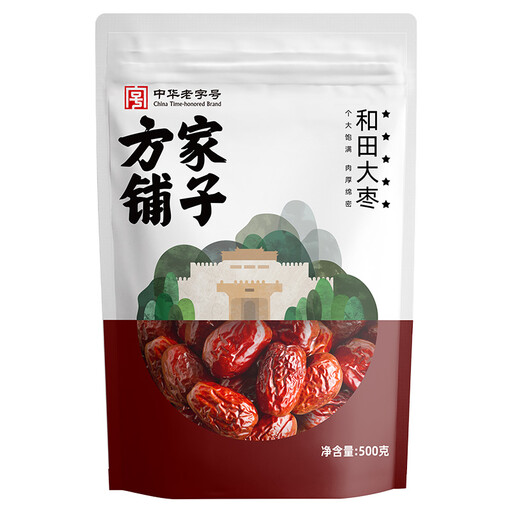
Why It Stands Out: These are classic, high-quality Hotan dates. The "Five-Star" classification points to their impressive size and fleshy texture. Sourced from Xinjiang, they have a deep crimson colour and a concentrated natural sweetness that makes them a standout ingredient.
Pros:
Who is it for? This product is ideal for home cooks dedicated to authentic Asian cuisine, individuals who enjoy making traditional wellness teas and tonics, or anyone seeking a premium, all-purpose jujube fruit.
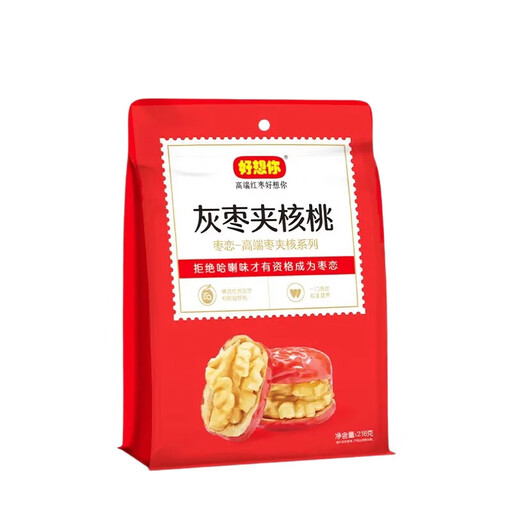
Why It Stands Out: This is a clever and delicious red date snack. Each soft, sweet grey date is conveniently stuffed with a crunchy walnut kernel, creating a perfectly balanced, ready-to-eat treat. It combines two wholesome ingredients into one satisfying bite.
Pros:
Who is it for? This is an excellent choice for busy professionals, students and families looking for a nutritious and convenient snack. It's also a great introduction for those who are new to the taste of Chinese red dates.
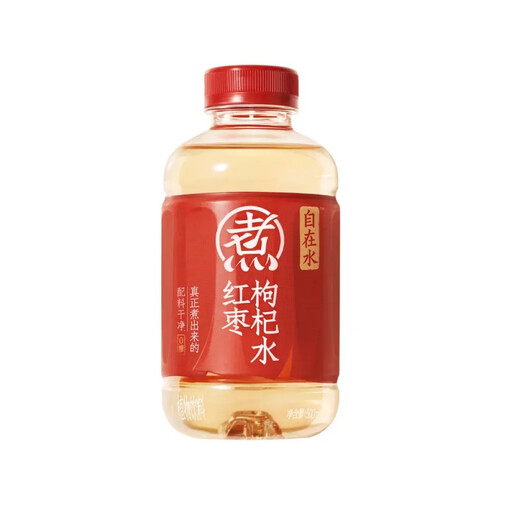
Why It Stands Out: Genki Forest offers a modern interpretation of a classic flavour pairing. This drink captures the subtle, comforting essence of red dates and goji berries in a light, refreshing water. Importantly, it is a zero-sugar and zero-calorie beverage, sweetened naturally with monk fruit extract.
Pros:
Who is it for? This drink is suited for anyone seeking healthy hydration options, consumers actively reducing their sugar intake, or those who appreciate the delicate flavours of traditional Chinese ingredients in a convenient, modern format.
If our recommendations don't quite fit what you're searching for, or if you're curious to see the full spectrum of jujube products, there are many other forms to discover. From different regional varieties to other creative snacks and drinks, the world of red dates is broad and exciting.
Explore our complete collection of Chinese Red Dates to find the perfect product for your kitchen and lifestyle.
Chinese red dates come from the Ziziphus jujuba tree, making them a type of jujube, not a true date. The dates commonly found in UK supermarkets, like Medjool or Deglet Noor, come from the date palm (Phoenix dactylifera). When fresh, jujubes have a crisp, apple-like texture. When dried, they have a chewy texture and a unique flavour that is less intensely sweet than palm dates, making them highly versatile in both sweet and savoury Asian dishes.
In traditional Chinese culture, the jujube fruit has been used for centuries for wellness purposes. From a nutritional standpoint, they are a source of energy from carbohydrates and contain dietary fibre. While many historical claims exist regarding jujube benefits, in the UK they are primarily valued as a wholesome food ingredient that can be incorporated into a balanced diet.
Dried jujube is incredibly versatile. You can add them whole to soups, broths and congees, where they will soften during cooking and lend a subtle, natural sweetness to the dish. They are the star ingredient in red date tea, often simmered with goji berries and ginger. For baking, they can be pitted, chopped and used as a substitute for other dried fruits in cakes, breads and stuffings. A quick rinse before use is always a good practice.