
24/7 Customer Support

Free returns

Same-day & Next-day Delivery

Quality Guaranteed

Unlock Your Welcome Offers: FREE Delivery | Up to 80% OFF | Free 30-day JoyPlus trial
Download the APP
Navigating the world of frozen Chinese steamed buns can feel like a gamble. You are hoping for a fluffy, flavour-packed bite of comfort, but the reality can sometimes be disappointing. As a Joybuy Product Recommendation Officer, my role is to help you understand what to look for, so you can bring authentic, delicious dim sum experiences into your home kitchen with confidence.
Many of us have faced the same letdowns when buying frozen bao buns. Here are a few common pitfalls to be aware of:
By understanding a few key parameters, you can easily sidestep these issues and choose a product that delivers on its promise.
To ensure you are getting high-quality, ready to steam buns, pay close attention to the details on the packaging and product description. Here is what matters most.
The most reliable indicator of a generous filling is the quantitative ingredient declaration (QID). This is a legal requirement in the UK for many products and tells you the percentage of a key ingredient. For example, a taro bun that lists Taro (20.3%) is likely to have a more pronounced and authentic flavour than one that does not specify the amount. For savoury vegetarian steamed buns, look for high percentages of primary ingredients like bok choy or bamboo shoots. This transparency is a clear sign that the brand is confident in its product's quality and is not hiding a sparse filling.
The secret to a fluffy bun lies in the dough. Check the ingredient list. A simple, clean list—typically WHEAT Flour, Water, Sugar and Yeast—is a good start. Some buns use different oils like palm, soybean or rapeseed oil, which can subtly affect the final texture and richness. For those seeking a specific experience, like the open-sided lotus leaf buns (also known as gua bao), the dough is specifically formulated to be a soft, pliable pocket, perfect for holding your own fillings.
An authentic taste comes from real ingredients. When you buy Chinese buns online in the UK, scrutinise the filling's components.
purple sweet potato bun, the ingredient list should feature actual purple sweet potato, not just "flavouring" and "colouring." The natural sweetness and earthy notes come from the real vegetable.dim sum bun from a generic "vegetable" bun.To make your choice easier, we have matched some excellent options to different needs and preferences, helping you find the right frozen buns for your household.
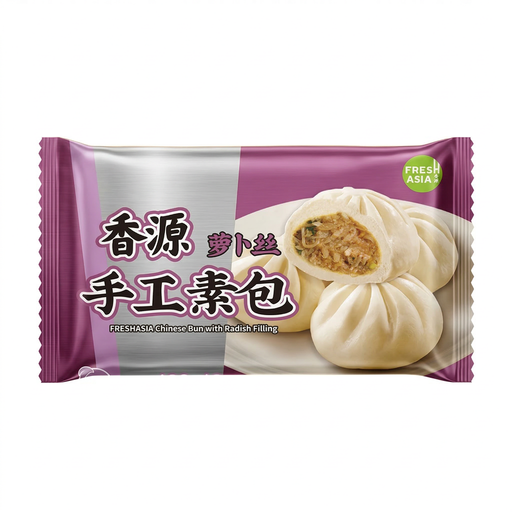
Why This Fits Their Persona: For those looking to explore beyond standard fillings, this bun offers a classic, savoury taste that is both authentic and unique. It is an excellent way to experience a traditional flavour profile that is popular but not always easy to find.
It directly counters the "bland filling gamble" by using shredded radish, a distinct and flavourful ingredient that provides a satisfying and memorable taste, rather than a generic vegetable mix.
Features a unique and traditional savoury radish filling. The convenient frozen format makes it easy to prepare an authentic-tasting snack at home.
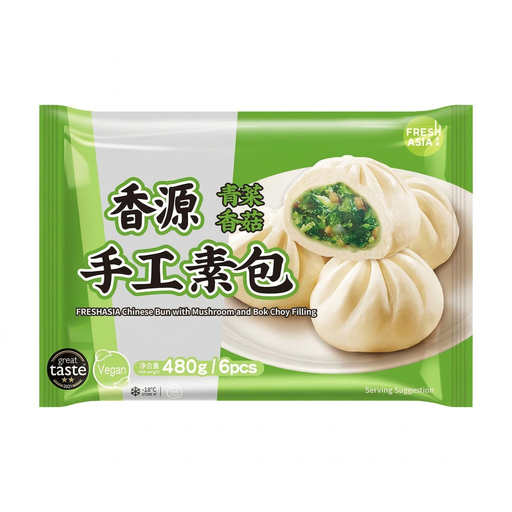
Why This Fits Their Persona: This is for the person who wants a high-quality vegetarian option that does not compromise on flavour or substance. It is a perfect choice for a quick lunch or as part of a larger dim sum spread.
With Bok Choy (33%) listed as the main filling ingredient, it tackles the "all dough, no filling" problem head-on. The specific mention of bok choy, mushrooms and black fungus ensures a complex, savoury flavour.
A very high vegetable content provides a substantial and flavourful filling. It is a clearly defined, satisfying vegetarian option that steams to a soft, fluffy finish.
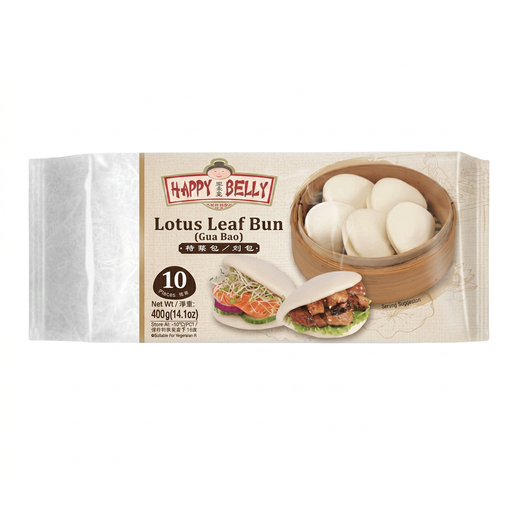
Why This Fits Their Persona: Ideal for the home cook who wants a blank canvas. These unfilled lotus leaf buns are perfect for creating Taiwanese-style gua bao with braised pork belly, fried chicken or any custom vegetarian filling.
By being unfilled, it completely sidesteps any risk of a disappointing filling. The focus is entirely on providing a high-quality, soft and fluffy bun that serves as the perfect vessel for your own culinary creations.
Extremely versatile and suitable for customisation. They are also Halal certified, vegan and vegetarian friendly, catering to a wide range of dietary needs.
We have compiled a complete, real-time list of products that fully satisfy these strict selection criteria and UK safety regulations.
Here are answers to a few common questions people have when buying and preparing Asian frozen food like steamed buns.
You do not need a traditional bamboo steamer to get great results. You can place a metal steamer basket or even a heatproof colander inside a large pot with a lid. Add an inch or two of water, ensuring the water level is below the basket. Bring it to a boil, line your basket with non-stick baking parchment to prevent the buns from sticking and place the frozen buns inside, leaving space between them. Cover and steam according to the package instructions.
For the longest shelf life and best quality, always refer to the Best Before End date printed on the packaging. When stored correctly in a freezer at -18°C or below, most frozen buns will last for several months. It is important not to refreeze buns once they have been thawed, as this will compromise their texture and safety.
The nutritional profile of a steamed bun varies significantly based on its filling and size. Buns with savoury vegetable fillings, like those with mushrooms or bok choy, are often lower in fat and calories compared to those with fatty meat fillings. Sweet buns, such as taro bun or purple sweet potato bun, will naturally contain more sugar. To make an informed choice, always check the nutritional information table on the product label. Steamed buns can certainly be a convenient and enjoyable part of a balanced diet.