
24/7 Customer Support

Free returns

Same-day & Next-day Delivery

Quality Guaranteed

Unlock Your Welcome Offers: FREE Delivery | Up to 80% OFF | Free 30-day JoyPlus trial
Download the APP
As a Joybuy Product Recommendation Officer, my role is to help you navigate the crowded online marketplace. When it comes to comfort food, few things rival the soft, fluffy delight of authentic Chinese steamed buns. Whether you crave a savoury pork bao for a quick lunch or a sweet milk mantou with your morning coffee, the convenience of having them in your freezer is undeniable.
However, buying frozen steamed buns online can be a gamble. Many UK shoppers find themselves disappointed, and it often comes down to a few common pitfalls.
Navigating the world of frozen bao and mantou doesn't have to be a lottery. By paying attention to a few key details, you can stock your freezer with delicious, satisfying options every time.
To avoid disappointment, it pays to look beyond the marketing photos and analyse the product details. Here are the core parameters to check before adding any frozen bao to your basket.
The most reliable indicator of a generously filled bun is the ingredient list. UK food labelling regulations require manufacturers to state the percentage of key ingredients. Look for a quantitative ingredient declaration (QUID).
For a pork bao, you might see "Pork (30%)" or for a chicken bao, "Chicken (19%)". A higher percentage generally suggests a more substantial filling. If the main filling ingredient isn't listed with a percentage, it can be a red flag for a dough-heavy product.
Understanding the terminology is crucial for getting what you want. These are the two main categories of Chinese buns:
For the authentic soft and fluffy texture, steaming is the intended cooking method. While some packaging may mention microwaving as a quick alternative, it often results in an inferior texture that can be either tough or soggy. Always look for clear steaming instructions on the packaging. A product that prioritises steaming is usually designed for a better end result. If you want a crispy bottom, the technique is to pan-fry the buns after they have been fully steamed.
Based on these practical criteria, we've matched a few standout options to different household needs. Instead of just listing products, we're highlighting who they are a great fit for.
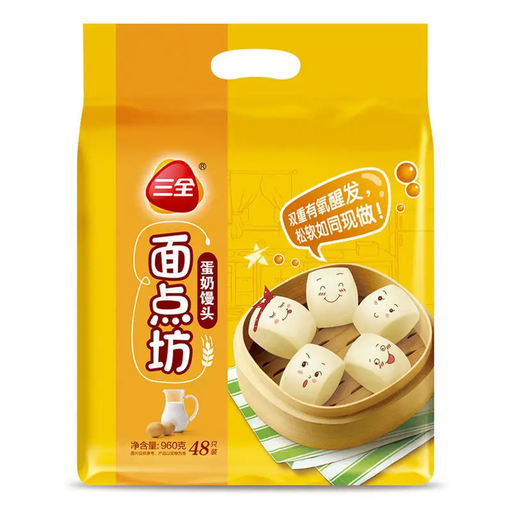
Why This Fits Their Persona: This large 48-piece pack of milk mantou is perfect for stocking the freezer. The mild, slightly sweet flavour is a crowd-pleaser, making it an ideal quick breakfast for kids or a simple side dish for family dinners.
As an unfilled mantou, it completely sidesteps the "disappointing filling" pitfall. The focus is entirely on the quality and texture of the bun itself, and San Quan is a well-regarded brand for consistent staple foods.
Excellent value and versatility. These buns can be paired with sweet spreads like jam or condensed milk, or served with savoury stews and curries.

Why This Fits Their Persona: For those trying to replicate an authentic dim sum experience at home, the molten salted egg yolk bun is a must-have. This product targets that specific craving for a rich, sweet and savoury custard filling.
It avoids the "bland flavour" trap by using a classic, complex filling. The ingredient list specifies Salted DUCK EGG Yolk (6.39%), indicating the use of the correct key ingredient for that signature taste, not just a generic sweet paste.
Delivers a specific, sought-after dim sum experience. When steamed correctly, the filling becomes a flowing liquid custard, providing the texture and flavour that enthusiasts look for.
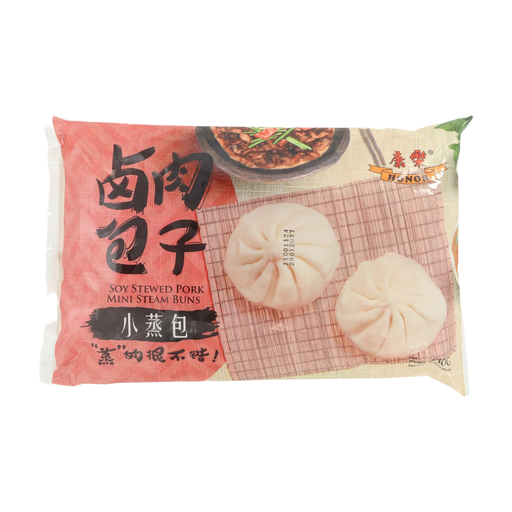
Why This Fits Their Persona: This is for someone looking for a substantial, flavour-packed savoury snack or light meal. The combination of rich braised pork belly with tangy pickled cabbage offers a more complex and satisfying flavour than a standard pork bun.
It directly counters the "disappointing filling" trap with a clear declaration of Pork belly (30%). This high percentage, combined with the use of a quality cut like pork belly, signals a generous and flavourful filling.
The product is made in the United Kingdom, which may appeal to consumers interested in local production. The balanced flavour profile of rich meat and sharp pickle makes for a well-rounded and satisfying bite.
We have compiled a complete, real-time list of products that fully satisfy these strict selection criteria and UK safety regulations.
The main difference is the filling. Mantou are plain, unfilled steamed buns that serve as a staple carbohydrate, much like a bread roll. They are soft, often slightly sweet and perfect for pairing with other dishes. Bao buns, or baozi, are filled with a variety of ingredients, which can be savoury (like pork or chicken) or sweet (like red bean paste or egg custard).
It is generally not recommended. The signature characteristic of Chinese steamed buns is their soft, moist and fluffy texture, which is achieved through steaming. An air fryer uses dry, circulating heat, which would likely result in a hard, dry and crusty exterior, more akin to a baked roll. For the intended texture, always steam them.
For the best quality, steamed buns should be eaten immediately after cooking. If you have leftovers, allow them to cool completely to room temperature. Store them in an airtight container in the refrigerator for up to two days. To reheat, steam them for 3-5 minutes until soft and heated through. Microwaving leftovers is not advised as it can make the buns tough and chewy.