
24/7 Customer Support

Free returns

Same-day & Next-day Delivery

Quality Guaranteed

Unlock Your Welcome Offers: FREE Delivery | Up to 80% OFF | Free 30-day JoyPlus trial
Download the APP
As a Joybuy Product Recommendation Officer, my role is to help you navigate the crowded online marketplace. When it comes to comfort food, few things satisfy like a warm, fluffy Chinese steamed bun. Whether you know them as baozi or you're looking for the simple pleasure of a plain mantou, the convenience of having them in your freezer is undeniable.
However, buying frozen buns online can be a gamble. Many shoppers in the UK find themselves disappointed by products that don't live up to their expectations of an authentic taste and texture. Before you add to your basket, let's look at a few common pitfalls to avoid.
To ensure you get the authentic experience you're craving, focus on a few key details. These are the non-negotiable factors that separate a satisfying meal from a freezer-space regret.
The foundation of any good steamed bun is the dough. There are two main types to know:
The filling is where personal preference shines. When looking for Chinese buns online UK, you'll find a huge variety.
Getting the steaming process right is crucial for achieving that perfect, fluffy texture. While some packaging may suggest microwaving, steaming is the most reliable method.
To help you choose, we've matched some popular options to different needs and preferences.
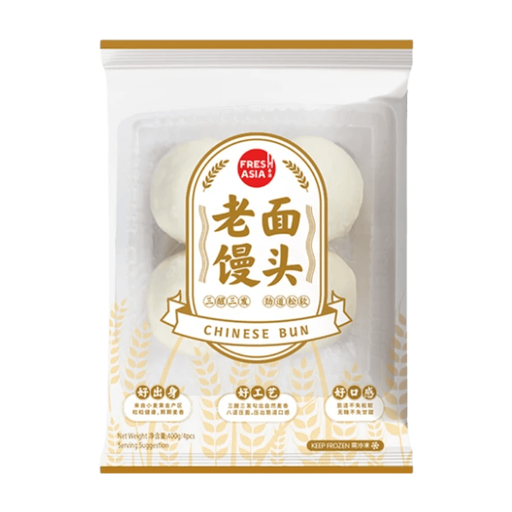
Why This Fits Their Persona: This is for the home cook who wants a versatile, plain mantou to serve with main dishes. It's the perfect canvas for savoury meals, just like having a loaf of bread or a bowl of rice.
It sidesteps the "filling fallacy" entirely. Its quality lies in the dough itself, which is made with a sourdough starter for an authentic, slightly chewy texture, avoiding the dense, lifeless bun trap.
Made with just three simple ingredients (wheat flour, water and yeast), it delivers an authentic taste without artificial additives. Its versatility is its greatest strength.
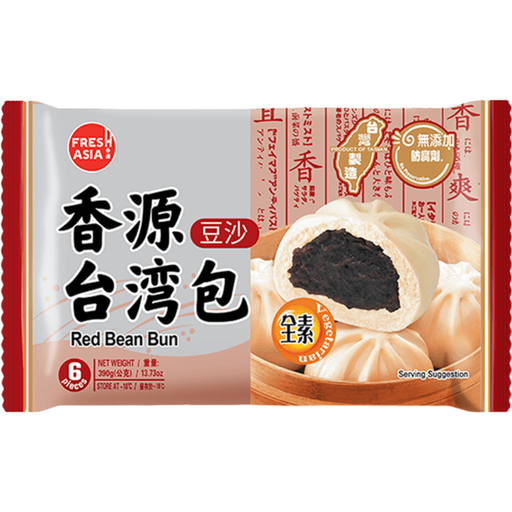
Why This Fits Their Persona: Ideal for those seeking a classic red bean bun for a quick breakfast, afternoon snack or light dessert. It's a comforting, nostalgic flavour that's ready in minutes.
This bun is described as having a "smooth red bean paste filling" and a "soft & fluffy white bun," directly addressing the need for a good filling-to-bun ratio and a pleasing texture.
It recreates a classic Taiwanese flavour profile with a velvety, moderately sweet filling. The convenience factor is high, making it a perfect freezer staple for a quick treat.
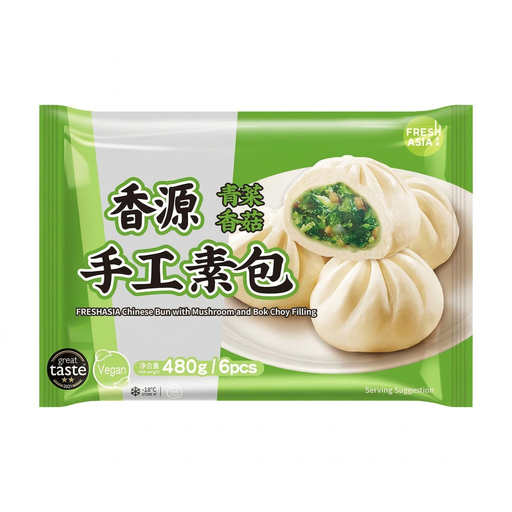
Why This Fits Their Persona: Perfect for those who want a quick, savoury and meat-free meal or snack. It offers a classic dim sum bun experience at home with minimal effort.
The ingredient list specifies that the filling contains 33% bok choy, which suggests a generous filling-to-bun ratio and counters the "filling fallacy." The flavour comes from real vegetables, not just ambiguity.
This bun provides a flavourful vegetarian mixture of bok choy, mushrooms and black fungus. It's a convenient way to enjoy a classic vegetable bao without any prep work.
We have compiled a complete, real-time list of products that fully satisfy these strict selection criteria and UK safety regulations.
The main difference is the filling. Mantou are plain, unfilled steamed buns that are served as a staple carbohydrate, similar to bread or rice. Bao (or baozi) are buns that have been filled with sweet or savoury ingredients before being steamed.
While you can microwave them for a quicker result, it is not the recommended method. Microwaving can often result in a tougher, chewier texture and may heat the bun unevenly. For the softest, fluffiest result that most closely resembles freshly made dim sum buns, steaming is always the better option. If you must microwave, place the bun on a plate, sprinkle it with a little water and cover it with a damp paper towel to help retain moisture.
Most commercially produced frozen bao buns should be kept frozen at -18°C or below. They will typically last for several months in the freezer. Always check the "best before" date on the packaging for the most accurate information. Once thawed, they should not be refrozen.