
24/7 Customer Support

Free returns

Same-day & Next-day Delivery

Quality Guaranteed

Unlock Your Welcome Offers: FREE Delivery | Up to 80% OFF | Free 30-day JoyPlus trial
Download the APP
As a Joybuy Product Recommendation Officer, my role is to help you navigate the crowded online marketplace. When it comes to buying chocolate online in the UK, it’s easy to be swayed by fancy packaging and clever marketing. This guide will help you identify what truly matters, ensuring every pound you spend brings you quality, flavour and satisfaction, whether you're looking for chocolate gifts or ingredients for your next baking project.
Before you add that tempting bar or box to your basket, be aware of a few common traps that can lead to disappointment.
chocolate gift box, only to find it's mostly plastic inserts and air. The actual net weight of the chocolate can be surprisingly low, making it poor value for money.baking chocolate is created equal. Some products labelled for baking are formulated with additives that can result in a grainy texture, a waxy mouthfeel or a failure to melt smoothly. For a truly rich result, the quality of your chocolate chips or bars is paramount.To avoid these pitfalls, focus on a few key details on the product page. These objective markers are far more reliable indicators of quality than marketing buzzwords.
This is one of the most important indicators of a chocolate's character and quality. It tells you how much of the bar is derived from the actual cocoa bean.
The order of ingredients matters. For high-quality chocolate, you want to see cocoa mass, cocoa solids or cocoa butter listed near the top. Be wary of products that list sugar as the first ingredient.
Furthermore, look for certifications like Fairtrade chocolate or Rainforest Alliance Certified. These not only point towards more ethical and sustainable sourcing practices but often correlate with higher-quality beans and production standards.
Consider what you need the chocolate for.
Luxury chocolate truffles and gift boxes should have a clear net weight and quality ingredients.chocolate chips that hold their shape during baking can be ideal for cookies and muffins.sharing chocolate bag or a variety box offers convenience and pleases multiple tastes, making it ideal for family nights or gatherings.Here are a few recommendations matched to different needs, helping you make a choice that aligns with your specific requirements.

Why This Fits Their Persona: This is for the baker who understands that the final dessert is only as good as its ingredients. It's a no-nonsense, high-quality cooking chocolate designed for performance.
It sidesteps the "baking chocolate" gamble by clearly stating its 70% cocoa solids content. This guarantees a rich, intense flavour, unlike weaker products that rely on sugar for taste.
Formulated specifically for melting, it provides reliable results in cakes, sauces and brownies. The high cocoa content adds depth that elevates homemade desserts.
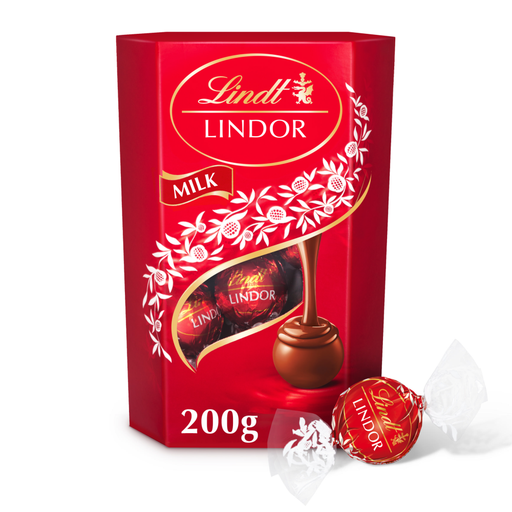
Why This Fits Their Persona: For someone seeking a reliable and well-received chocolate gift, this is a classic choice. It's known for its consistent quality and indulgent experience, making it suitable for almost any occasion.
This avoids the "luxury" trap by delivering a genuinely distinct texture with its smooth melting centre. The 200g net weight is clearly stated, so you know exactly how much chocolate you are gifting.
The signature smooth filling provides a unique sensory experience that sets it apart from standard chocolates. It's a widely recognised and appreciated brand, making it a safe and dependable gift.

Why This Fits Their Persona: This consumer wants their purchase to have a positive impact. They look for brands with transparent, ethical sourcing and still want a delicious, high-quality treat.
It cuts through vague marketing by putting its ethical mission at the forefront. The Fairtrade certification is not just a label; it's central to the brand's identity and a verifiable claim.
This bar combines a popular flavour profile (caramel and sea salt) with a clear conscience. The 32% cocoa solids in a milk chocolate bar ensures a rich flavour.
We have compiled a complete, real-time list of products that fully satisfy these strict selection criteria and UK safety regulations.
What is the real difference between cooking chocolate and regular eating chocolate? The main difference lies in the formulation. Baking chocolate is typically made with a higher percentage of cocoa solids and a specific ratio of cocoa butter to ensure it melts smoothly and sets well, which is crucial for recipes. Regular eating chocolate often contains more sugar and milk solids and may include emulsifiers that can cause it to become grainy or "seize" when heated.
How can I tell if a chocolate gift box is good value? Ignore the physical size of the box and look for the net weight of the chocolate, which is legally required to be on the packaging. Compare this figure to the price to get a true sense of value. Additionally, check the ingredients list. A quality chocolate gift box will feature cocoa butter prominently and avoid listing other vegetable fats as a primary ingredient.
Is dark chocolate always a better choice than milk chocolate? "Better" is subjective and depends on your preference and purpose. Dark chocolate contains more cocoa solids and less sugar, offering a more intense flavour. High-quality milk chocolate bars, however, can be just as satisfying with their creamy texture. The key for both is to check for a high percentage of cocoa-derived ingredients (cocoa solids and cocoa butter) and a short, clean ingredient list.