
24/7 Customer Support

Free returns

Same-day & Next-day Delivery

Quality Guaranteed

Unlock Your Welcome Offers: FREE Delivery | Up to 80% OFF | Free 30-day JoyPlus trial
Download the APP
From sunny barbecues to cosy nights in, a refreshing cider is a staple for many UK households. Yet, the shelves are crowded with so many options that choosing the right one can feel overwhelming. It’s easy to be swayed by flashy labels or promises of "authentic" flavour, only to be disappointed by a drink that’s overly sweet, lacks character or simply isn't what you expected. As a Joybuy Product Recommendation Officer, my role is to help you navigate the market and find a cider that truly suits your taste and occasion.
Before you add that multipack to your basket, let’s look at a few common pitfalls that can lead to a poor purchase.
fruit cider are not fermented from the fruits pictured on the can. Instead, they are often an apple or pear cider base with added flavourings, sugar and colour. This can result in a taste that is more like a sweet alcopop than a nuanced cider, which can be a letdown if you're expecting a more natural fruit character.cider multipack often seems like the most economical choice, especially when stocking up for a gathering. However, it's worth checking the price per can or per litre. Sometimes, smaller packs or even individual bottles offer better value. You might also end up with a large quantity of a single flavour that doesn't appeal to everyone.Somerset cider, for example, often implies specific apple varieties and time-honoured methods, delivering a distinct taste profile that a generic "farmhouse style" label might fail to replicate.To avoid these traps, focus on a few core details. A quick check of the label can tell you everything you need to know about the drink inside the bottle or can.
The foundation of any cider determines its core flavour. Understanding the base is crucial.
perry is often more delicate and floral than apple cider. Be aware that many modern "pear ciders" are apple-based with pear flavouring.Cider is categorised by its residual sugar content, which dictates the taste.
mixed fruit cider options fall into this category, offering a very fruity and easy-drinking experience, perfect for those with a sweeter tooth.Consider how and when you'll be drinking the cider.
Here are a few selections that align with different needs, helping you sidestep the common issues and choose with confidence.
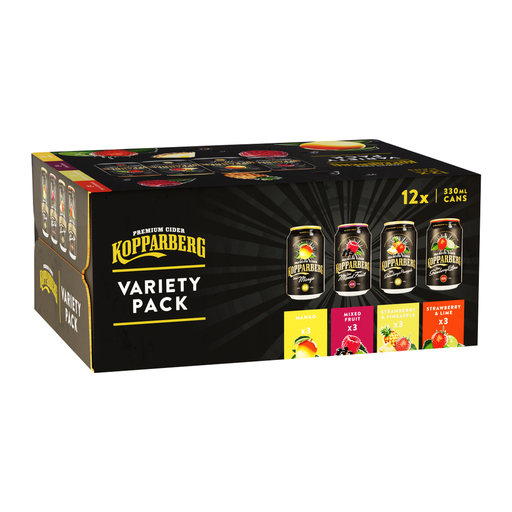
Why This Fits Their Persona: Ideal for the host of a party or barbecue who needs to cater to different tastes. This pack provides a selection of popular, sweet fruit ciders that are known crowd-pleasers, taking the guesswork out of stocking the drinks cooler.
It sidesteps the multipack value illusion by offering variety, not just volume. Instead of buying multiple large packs of single flavours, this mixed case ensures there's something for everyone, reducing waste.
Includes four popular flavours: Raspberry & Lime, Mixed Fruit, Pear and Elderflower & Lime. The lower 3.4% ABV makes it a suitable choice for longer social events.

Why This Fits Their Persona: For those who value authenticity and a classic apple cider taste. This is a go-to for drinkers who appreciate the heritage of cider-making and prefer a balanced, medium-dry profile over sweet fruit flavours.
It cuts through the "heritage hype" by being a genuine product from a fourth-generation family cidermaker in Somerset. The taste is reliably that of a traditional apple cider, not a generic imitation.
A smooth, refreshing medium-dry cider with a golden colour and a balanced apple flavour. It is also gluten-free and a certified vegan cider, making it an inclusive choice.
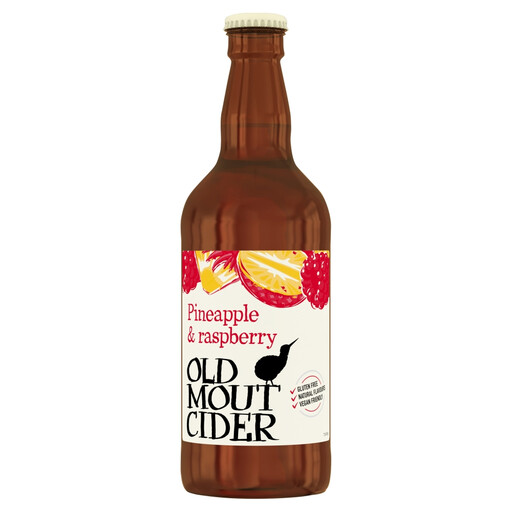
Why This Fits Their Persona: Perfect for the adventurous drinker who is bored of standard apple or berry flavours. This cider offers an unconventional and tropical twist that stands out from the crowd, ideal for trying something new.
It fully embraces the "fruit flavour" identity rather than trying to imitate a traditional cider. It's transparently a modern, flavour-led drink, so you know you are choosing it for its unique taste combination.
The exotic blend of pineapple and raspberry offers a distinctly different and refreshing experience. It's made with an apple juice base and natural flavourings.
We have compiled a complete, real-time list of products that fully satisfy these strict selection criteria and UK safety regulations.
This depends on your definition. Traditionally, cider is made purely from fermented apple juice. Many modern fruit ciders use an apple or pear cider base and then add fruit juices, concentrates or flavourings for their taste and colour. While they are legally classified and sold as cider, their production method and flavour profile are very different from a traditional apple cider.
The core difference is the fruit used for fermentation. Cider is made from apples, while perry is made from pears. Authentic perry is made from specific varieties of "perry pears," which are different from the pears we typically eat. It often has a more delicate, floral and sometimes slightly tannic character compared to apple cider.
For all types of cider, it is advisable to store them in a cool, dark place away from direct sunlight, as light and heat can negatively affect the flavour. Cans and bottles should be stored upright. For the most refreshing taste, always serve cider chilled. Once opened, it's best to consume it promptly to enjoy its carbonation and flavour at their peak.